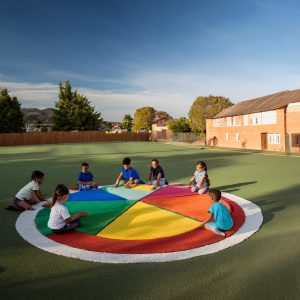
The “Circle of Control” is a concept that has been invaluable in the realms of personal development and empowerment. It helps individuals differentiate between what they can control and what is beyond their influence. For special education students, understanding and applying this concept can be transformative. This blog explores the potential of an adapted Circle of Control to support these students in their educational journeys.
Exploring the Circle of Control
Originally, the Circle of Control emphasizes focusing on personal actions, thoughts, and behaviors rather than external factors that are beyond one’s influence. This shift in focus can lead to a greater sense of agency and reduced stress, as individuals learn to let go of worries about uncontrollable circumstances.
Unique Challenges in Special Education
Special education students often face distinct challenges. They may struggle with academic tasks, social interactions, or emotional regulation. These challenges can lead to feelings of frustration and helplessness. Personalized strategies are crucial to cater to their diverse needs and help them thrive in educational settings.
Adapting the Concept for Diverse Needs
To make the Circle of Control meaningful for special education students, it requires adaptation. Visual aids and interactive activities can help make the concept tangible and relatable. Collaborative learning and social support systems ensure that students are not navigating these lessons alone. An adapted approach can include simplified language, engaging graphics, and step-by-step exercises that illustrate how focusing on controllable aspects can bring about positive change.
Empowering Benefits
An adapted Circle of Control can lead to significant benefits for special education students. By fostering self-awareness, it encourages students to recognize their strengths and areas of influence. This newfound understanding promotes emotional regulation and builds resilience against challenges. Over time, students often experience improvements in academic performance and a boost in personal growth and confidence.
Supporting Roles of Educators and Caregivers
Educators and caregivers play a vital role in helping special education students grasp and apply the Circle of Control concept. By creating an inclusive and adaptive learning environment, they can provide the necessary support and encouragement. Offering consistent feedback and reinforcing positive efforts can strengthen students’ understanding and application of the concept.
Stories of Success
Hearing real-life success stories can be inspiring. Case studies of students who have excelled with the help of an adapted Circle of Control provide invaluable insights. Testimonials from educators and parents further highlight the positive impact of this approach on students’ lives.
Encouragement for Integration
Incorporating the Circle of Control into special education curricula can support independence and build confidence in students. By understanding and internalizing these principles, students learn to focus on what they can change. It’s an empowering shift that encourages resilience and personal growth, making it an essential tool in special education.
Further Reading and Resources
For those interested in learning more, there are numerous books, articles, and online materials available. Support groups and educational consultants can provide guidance tailored to the needs of special education students. These resources can help educators and families create more effective learning environments, ultimately enabling students to reach their full potential.