 Alternative Treatments for Viral Infections: What Works?
Viral infections are a common health concern worldwide, affecting millions of people each year. From the common cold to more severe illnesses like the flu, viruses are a pervasive challenge in healthcare. While conventional medicine has made significant strides in the treatment of viral infections, exploring alternative treatments can offer additional options for those seeking holistic approaches. This blog post aims to dive into various alternative treatments and evaluate their effectiveness.
What are Viral Infections?
Viral infections begin when a virus enters a host body, hijacking healthy cells to reproduce and spread. Common symptoms can include fever, fatigue, and muscle aches, depending on the type of virus. Traditional treatments often include antivirals, rest, and over-the-counter medications to alleviate symptoms. However, these options may have limitations, such as side effects or resistance to antiviral drugs, which leads many to seek alternative methods.
Why Consider Alternative Treatments?
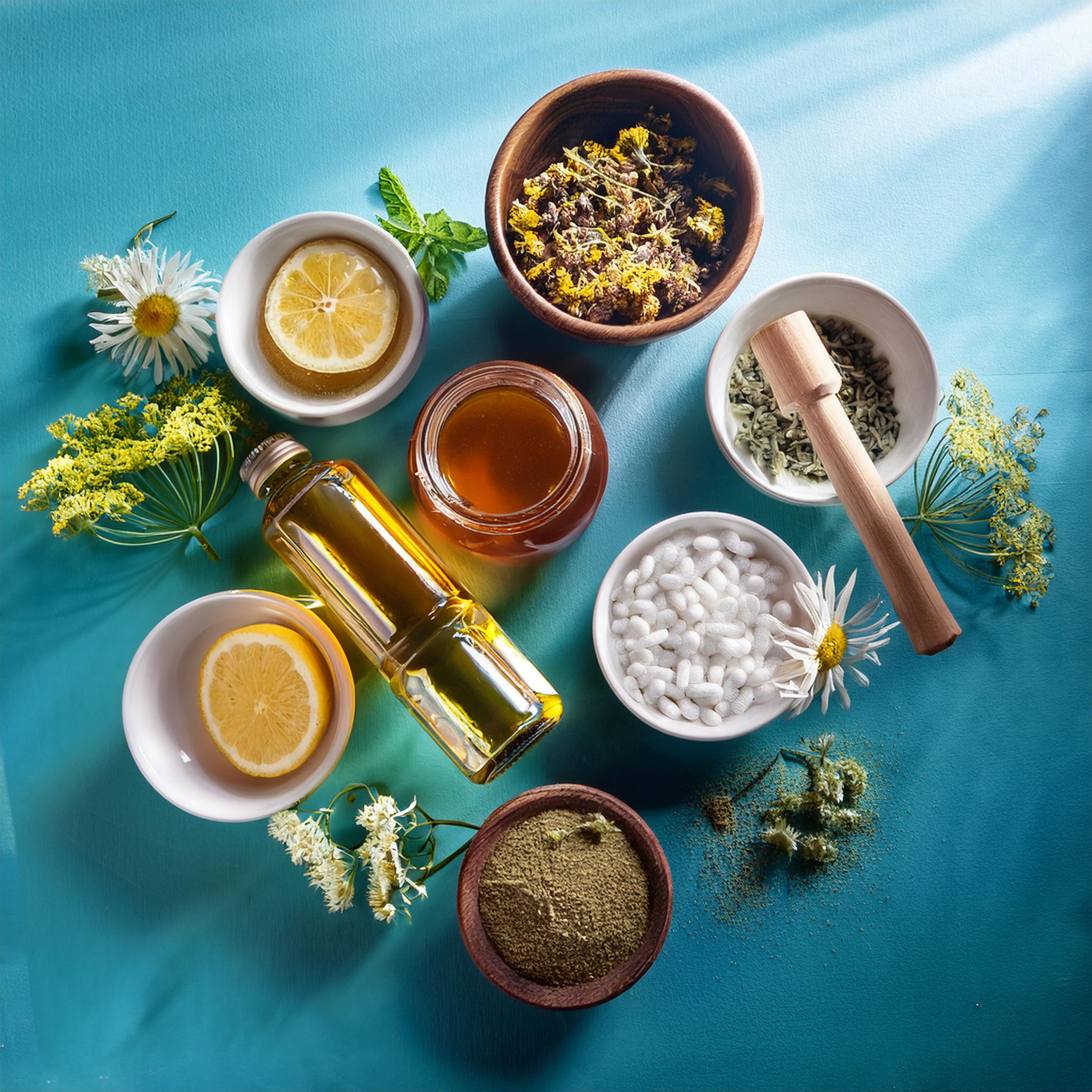
Alternative treatments for viral infections encompass a wide range of practices, including herbal remedies, nutritional supplements, and non-Western medical practices like acupuncture. With growing interest and acceptance, these methods are being considered more seriously, especially in cases where conventional treatments fall short. People turn to alternatives to complement traditional medicine or when seeking treatments with fewer side effects.
Exploring Evidence-Based Alternatives
Herbal Remedies
- Echinacea: Known for its immune-boosting properties, echinacea is thought to reduce symptoms duration for the common cold.
- Elderberry: This fruit has antiviral properties that may lessen flu severity and duration.
- Garlic: Revered for its antimicrobial properties, garlic may support the immune system and combat viral infections.
Nutritional Supplements
- Vitamin C: Although more research is needed, vitamin C is believed to support immune function and shorten cold symptoms.
- Zinc: Crucial for immune health, zinc supplements can potentially reduce the duration of common cold symptoms if taken early.
- Probiotics: By promoting gut health, probiotics may indirectly support the immune system in warding off infections.
Homeopathy
Homeopathy is based on the principle of “like cures like.” Utilizing highly diluted substances, this practice aims to trigger the body’s natural defenses. While the effectiveness of specific homeopathic remedies is still debated, some studies suggest potential benefits in treating viral symptoms.
Acupuncture and Traditional Chinese Medicine
Acupuncture, a component of Traditional Chinese Medicine, involves inserting thin needles into specific points on the body to balance energy flow, known as qi. Some evidence suggests acupuncture can alleviate symptoms and possibly enhance immune function, providing support in combating viral infections.
Evaluating the Effectiveness of Alternatives
Scientific evidence and clinical trials are paramount when assessing the effectiveness of alternative treatments. Understanding the placebo effect can help in discerning genuine results from perceived benefits. It’s crucial to consult healthcare professionals before trying alternative treatments, particularly to avoid potential interactions with existing medications.
Risks and Considerations
Despite their popularity, alternative treatments are not without risks. They can have side effects or interact negatively with conventional medications. In severe cases of viral infections, traditional medical intervention remains critical. Making informed decisions by reviewing the research and discussing options with healthcare providers ensures a safe approach to integrating alternative treatments.
In summary, while alternative treatments for viral infections offer promising benefits, they should be considered alongside traditional methods. It’s important to focus on evidence-based options and maintain open communication with healthcare professionals to ensure safety and effectiveness. As the integration of alternative and traditional treatments continues to evolve, open-mindedness and informed decision-making will be key.
Resources for Further Exploration
For those interested in delving deeper into alternative medicine, here are some recommended readings and resources:
- National Center for Complementary and Integrative Health
- World Health Organization: Traditional Medicine Strategy
- Books: “The Encyclopedia of Natural Medicine” by Michael T. Murray and Joseph Pizzorno.