In today’s fast-paced world, processed foods have become a staple in many households. While they offer convenience and long shelf life, these foods often come with hidden dangers that can compromise your health. Understanding what’s inside these foods and how they affect your body is crucial for making healthier choices.
1. What Are Processed Foods?
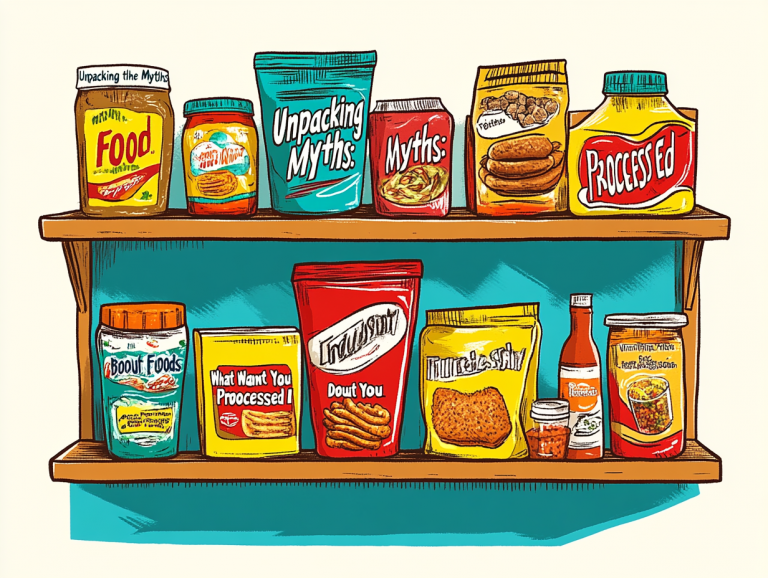
Processed foods are any food items that have been altered from their natural state for preservation, flavor enhancement, or convenience. This includes packaged snacks, sugary cereals, frozen meals, and even seemingly healthy options like protein bars and flavored yogurts.
Categories of Processed Foods:
- Minimally Processed: Pre-cut vegetables, roasted nuts
- Moderately Processed: Bread, cheese, canned vegetables
- Heavily Processed: Sugary drinks, instant noodles, packaged snacks
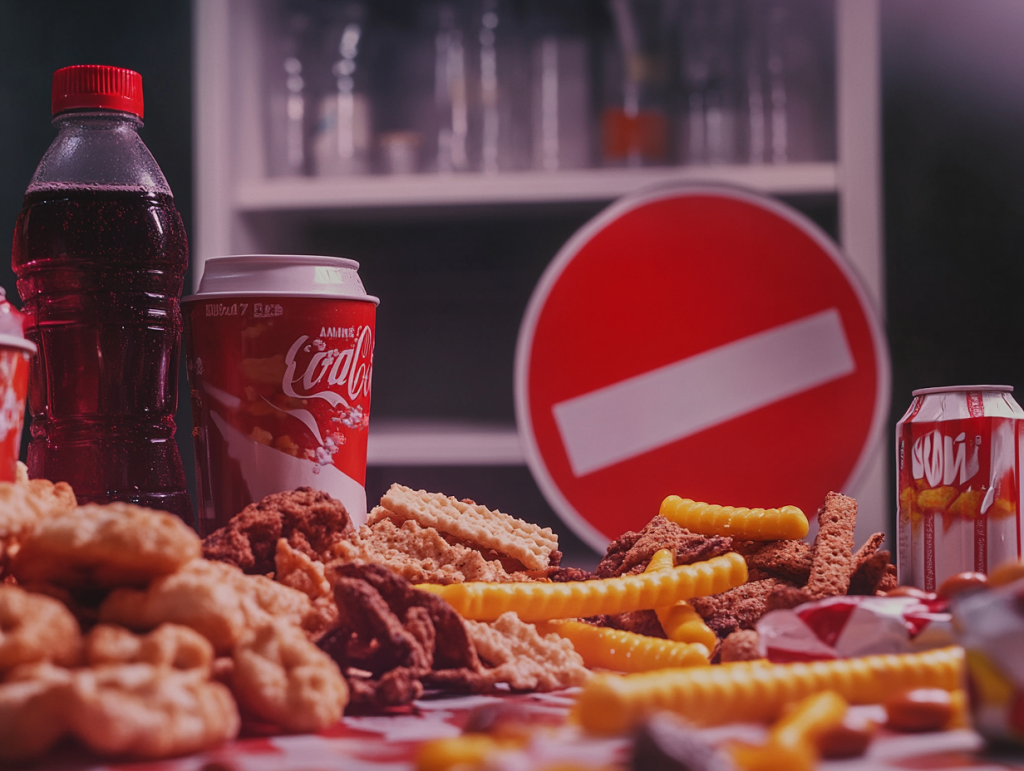
The real danger lies in heavily processed foods, which are often loaded with harmful additives.
2. Harmful Ingredients to Watch Out For
Many processed foods contain additives and chemicals that can have long-term effects on your health.
1. Added Sugars
- Found in: Soft drinks, cereals, sauces, processed snacks
- Health Risks: Increases the risk of obesity, diabetes, heart disease, and fatty liver disease.
Learn more about sugar risks
2. Trans Fats
- Found in: Margarine, fried foods, baked goods
- Health Risks: Increases bad cholesterol (LDL), reduces good cholesterol (HDL), and raises the risk of heart disease.
Read about trans fats and heart health
3. Artificial Flavors and Colors
- Found in: Candy, processed snacks, flavored drinks
- Health Risks: Linked to hyperactivity in children and potential carcinogenic effects.
Understanding food additives
4. Preservatives
- Found in: Packaged meats, canned goods, processed snacks
- Health Risks: Some preservatives, such as sodium nitrate, are linked to increased cancer risk.
Health concerns about preservatives
3. How Processed Foods Affect Your Health
1. Chronic Inflammation
Many processed foods are high in refined carbohydrates, unhealthy fats, and additives that promote chronic inflammation—a key factor in diseases such as diabetes, cancer, and heart disease.
The role of diet in inflammation
2. Obesity and Metabolic Disorders
Processed foods are often calorie-dense and nutrient-poor, leading to weight gain and metabolic issues.
3. Gut Health Imbalance
Additives, artificial sweeteners, and preservatives can disrupt the balance of gut bacteria, affecting digestion, immunity, and even mental health.
Gut health and its connection to immunity
4. Hormonal Disruption
Certain chemicals in processed foods, such as bisphenol A (BPA) from packaging, can interfere with hormone function.
Research on BPA and hormonal health

4. How to Reduce Processed Foods in Your Diet
1. Focus on Whole Foods
Base your diet on fresh fruits, vegetables, whole grains, and lean proteins.
2. Cook at Home
Preparing meals at home allows you to control the ingredients and avoid hidden additives.
3. Read Labels Carefully
Avoid products with long ingredient lists, especially those containing artificial flavors, colors, and preservatives.
How to read food labels
4. Shop the Perimeter of the Grocery Store
The freshest and least processed foods (like fruits, vegetables, and fresh meat) are usually found around the perimeter of the store.
5. Why the Food Industry Isn’t Talking About This
The processed food industry is a multi-billion-dollar business, driven by profit rather than health. Marketing tactics often disguise unhealthy products as “healthy alternatives,” confusing consumers. Understanding the hidden dangers gives you the power to make informed decisions.
Conclusion: Take Control of Your Health
Processed foods may be convenient, but the long-term health risks far outweigh the short-term benefits. By choosing whole, minimally processed foods and being mindful of what you consume, you can take control of your health and protect your body from chronic diseases. Remember, true health starts with what you put on your plate.