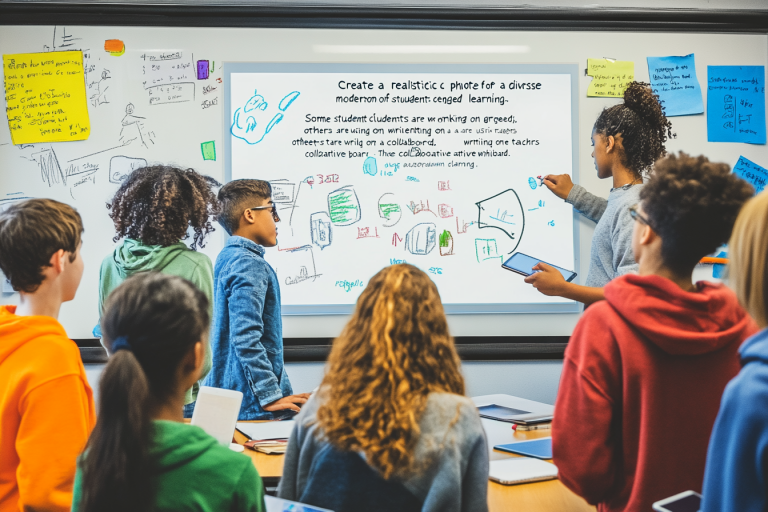
Education is more than just textbooks and homework—it’s about nurturing a love for learning that lasts a lifetime. As parents, you play a crucial role in shaping your child’s educational journey. Whether your child is homeschooled or attends a traditional school, the right guidance can make all the difference. Here’s some essential educational advice to help your child succeed both academically and personally.

📚 1. Foster a Love for Learning
Children are naturally curious. Encourage this by creating an environment where questions are welcomed, and exploration is encouraged. Read together, visit museums, and introduce them to new hobbies. When learning feels exciting and relevant, kids become eager to discover more.
🗓️ 2. Establish a Consistent Routine
A consistent daily routine helps children develop discipline and time management skills. Set aside specific times for learning, play, and rest. A structured environment provides a sense of security, allowing kids to focus better on their studies.

🎯 3. Set Realistic Goals
Help your child set achievable academic and personal goals. Celebrate their accomplishments, no matter how small, to build confidence. Setting goals teaches responsibility and the satisfaction of working toward something meaningful.

💡 4. Embrace Different Learning Styles
Every child learns differently. Some are visual learners, while others thrive with hands-on activities or auditory instruction. Observe your child’s learning style and adapt teaching methods to suit their needs. This personalized approach can enhance comprehension and retention.

🤝 5. Encourage Critical Thinking
Instead of focusing solely on memorization, teach your child to think critically. Ask open-ended questions, encourage problem-solving activities, and discuss real-world issues. This helps develop reasoning skills that are valuable beyond the classroom.

🗣️ 6. Prioritize Communication
Maintain open lines of communication with your child. Listen to their concerns about school, friendships, or personal challenges. Being a supportive listener fosters emotional security, which positively impacts learning and development.
⚽ 7. Balance Academics with Play
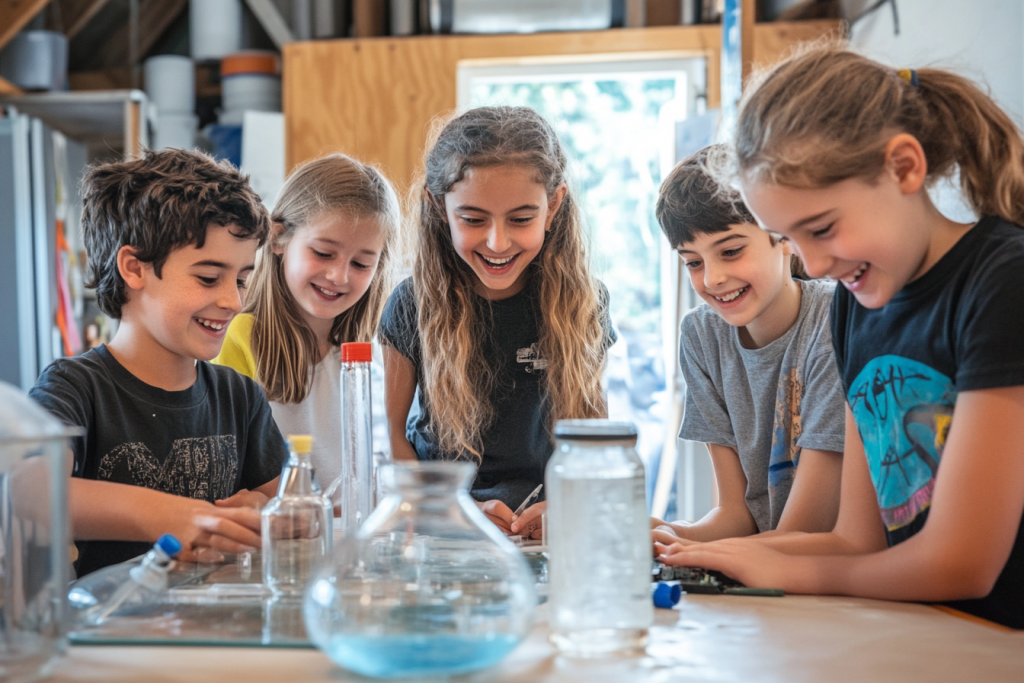
Play is an essential part of a child’s growth. Physical activities, creative play, and downtime help reduce stress and improve focus. Balance academic work with time for outdoor play, art, music, and hobbies that allow children to express themselves freely.

🌍 8. Promote Social Interaction
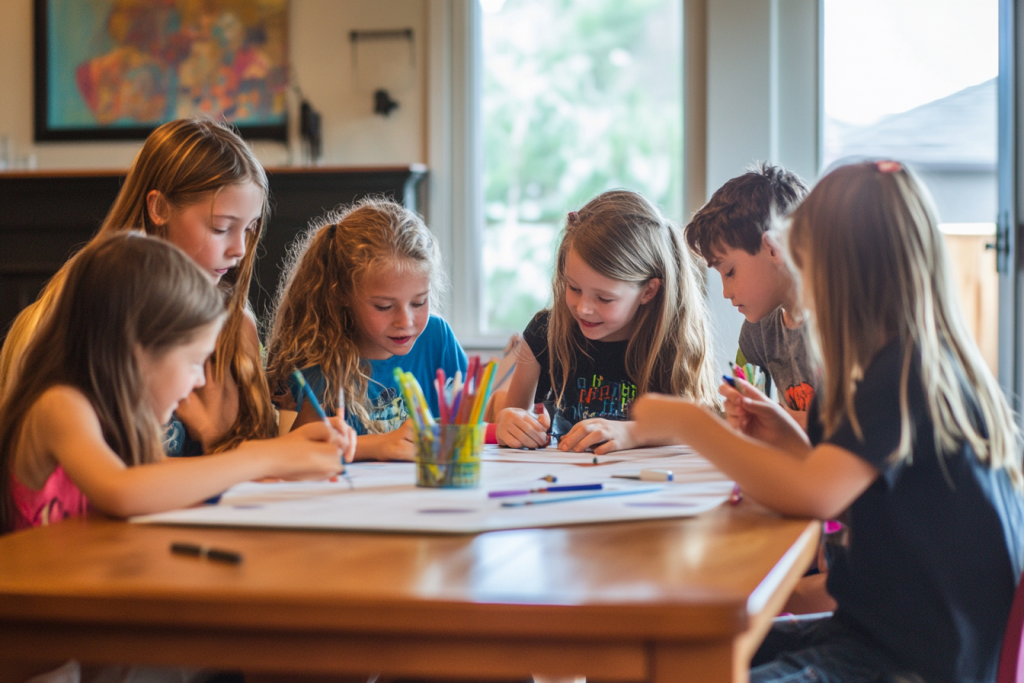
Social skills are just as important as academic success. Arrange playdates, enroll your child in group activities, or participate in community events. These experiences teach cooperation, empathy, and conflict resolution.
🧩 9. Make Learning Practical
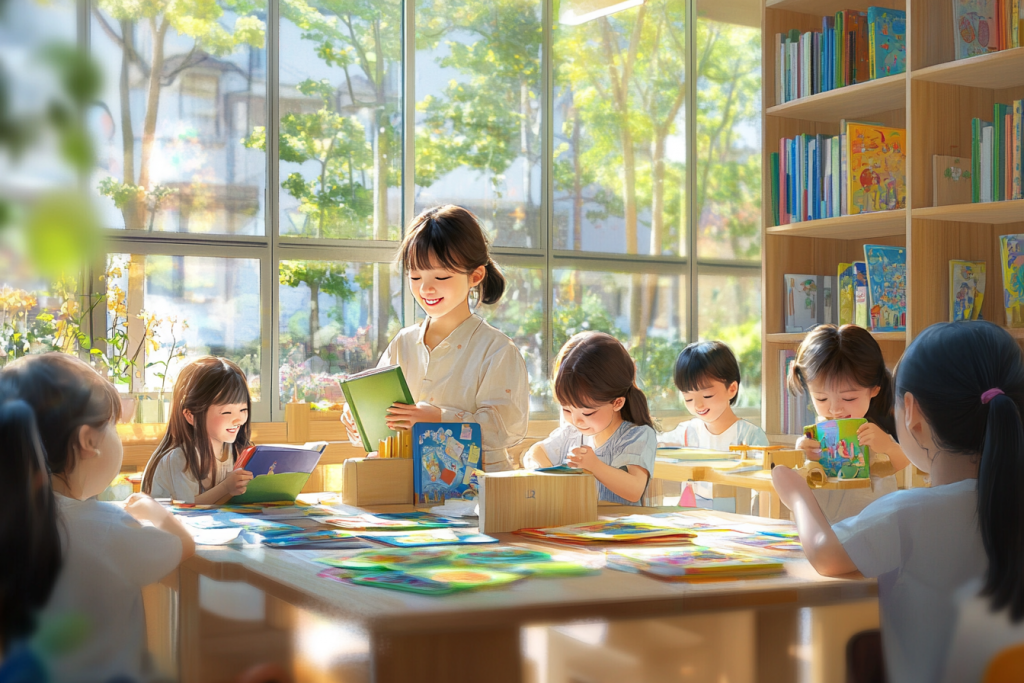
Show your child how learning applies to real life. Cooking can teach math through measurements, gardening introduces basic science concepts, and family budgeting can develop financial literacy. Practical experiences make lessons more meaningful and memorable.
❤️ 10. Be Patient and Supportive
Learning is a journey with ups and downs. Celebrate successes, but also be patient when your child struggles. Offer encouragement, remind them that mistakes are part of growth, and help them find solutions without pressure.
Final Thoughts
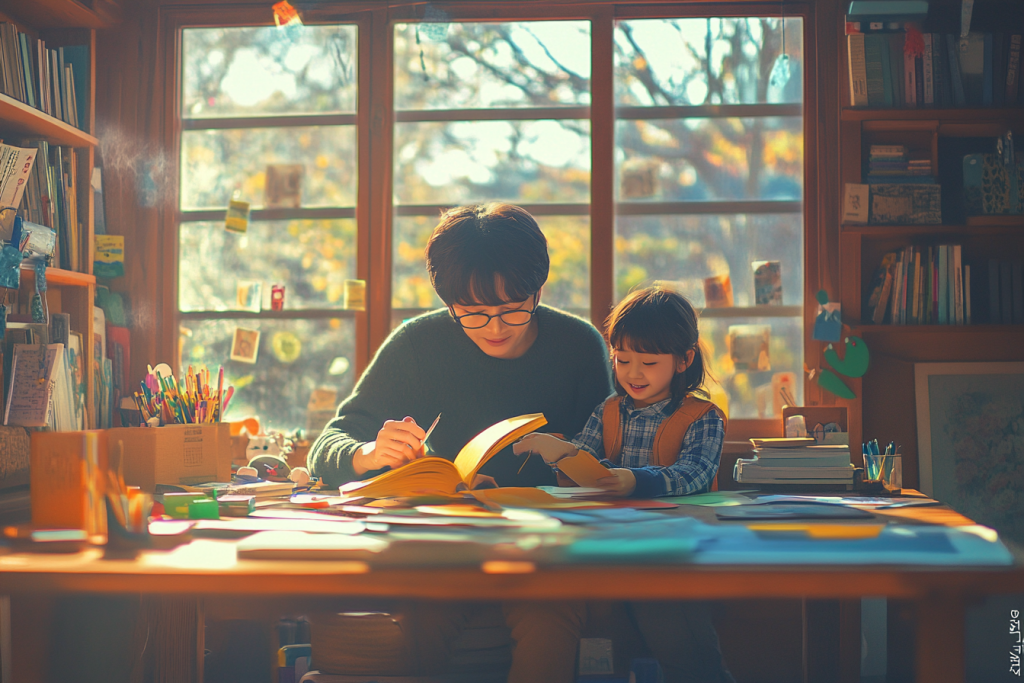
The best educational advice is simple: stay engaged, be flexible, and support your child’s unique learning journey. Every child is different, and what works for one may not work for another. By fostering a positive learning environment filled with encouragement, curiosity, and love, you’re setting the foundation for lifelong success.
🌟 Remember, it’s not about perfection—it’s about progress. 🌟