Education is evolving, and the traditional one-size-fits-all approach is no longer the only option. With advances in teaching methods, technology, and personalized learning, there are multiple ways to “do school” effectively. But what is the best way? The answer depends on the student’s needs, learning style, and overall educational goals.
Let’s explore the most effective ways to approach school and create a meaningful, engaging learning experience.
🎯 1. Make Learning Student-Centered
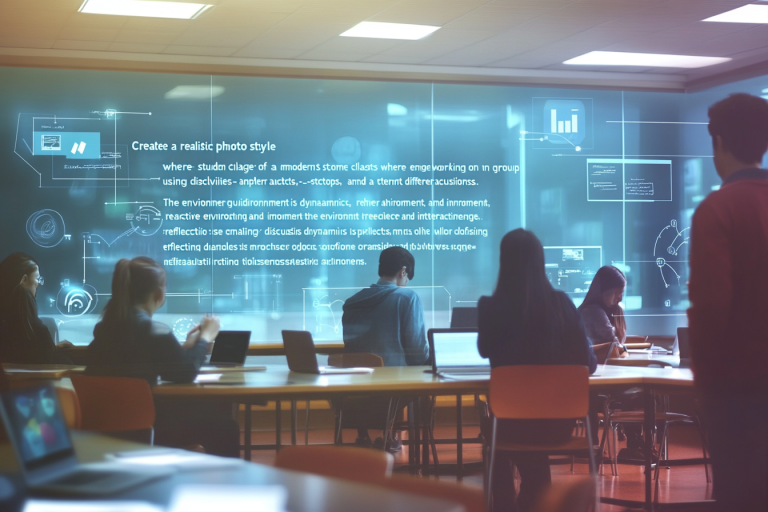
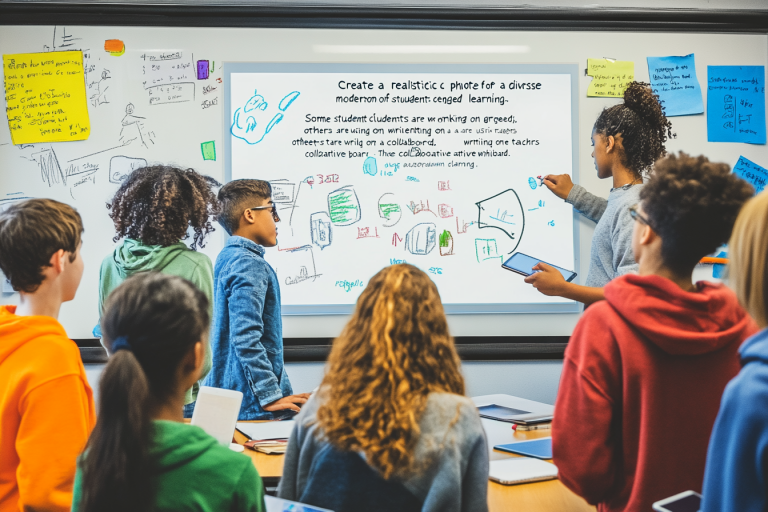
The best way to do school is to make learning about the student, not just the curriculum. A student-centered approach ensures that education is engaging, meaningful, and adaptable.
✅ Encourage curiosity – Let students explore topics they are passionate about.
✅ Allow for personalized learning – Every student learns differently; flexible methods help them succeed.
✅ Give students ownership – Project-based learning and independent research empower students to take charge of their education.
🔹 Example: Instead of a lecture-heavy class, students could work on hands-on projects, presentations, or discussions that deepen understanding.
💻 2. Blend Traditional and Modern Learning Methods
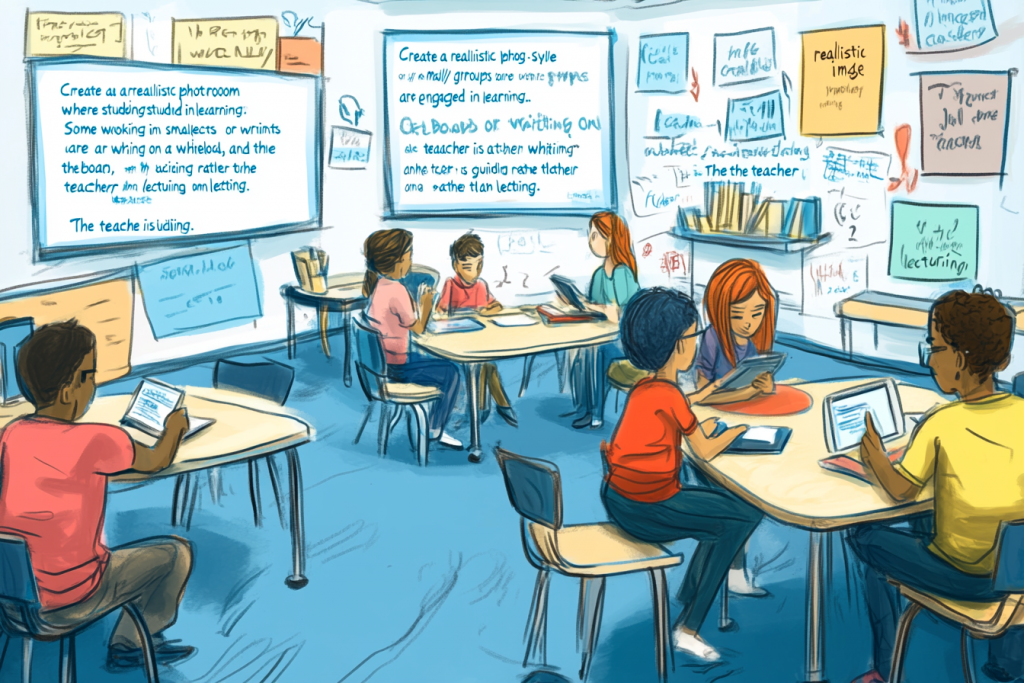
Education should combine the best aspects of traditional learning with modern technology and resources.
📖 Traditional learning – Reading books, writing essays, and face-to-face discussions still hold great value.
💻 Modern technology – Interactive apps, virtual labs, and online courses can enhance learning.
🎥 Flipped classrooms – Students learn material at home (through videos or reading) and use class time for interactive activities.
🔹 Example: A history lesson could combine textbook reading with a virtual tour of historical sites.
🚀 3. Focus on Real-World Skills
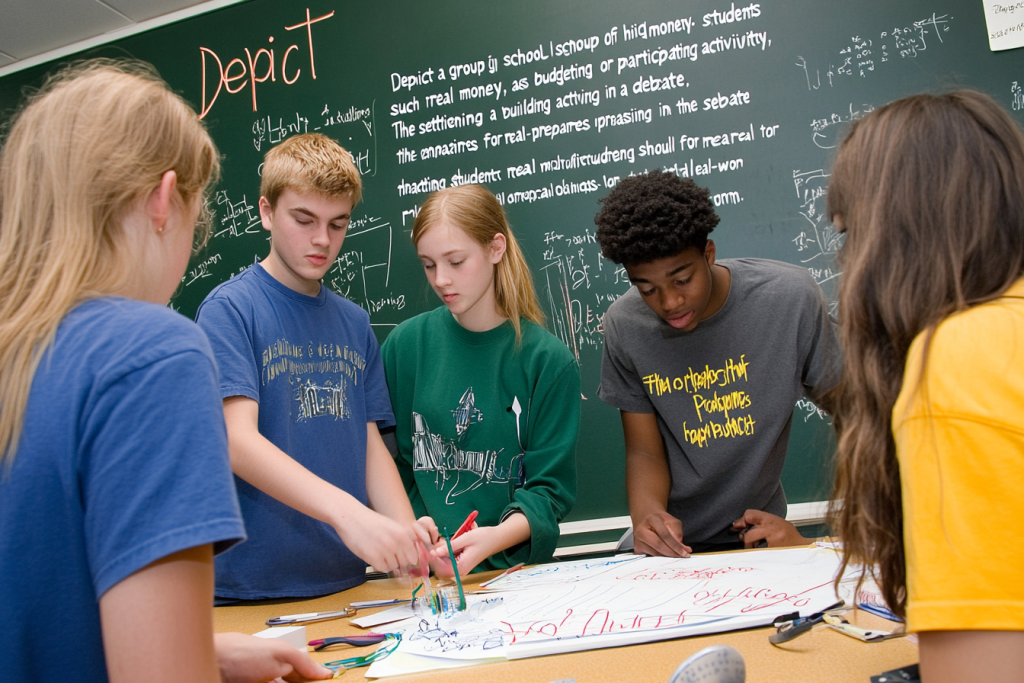
School should prepare students for life, not just exams. A well-rounded education includes practical skills, creativity, and problem-solving.
✅ Critical Thinking & Decision-Making – Encourage students to analyze situations and form independent opinions.
✅ Communication & Collaboration – Group projects and presentations develop teamwork and public speaking skills.
✅ Financial & Life Skills – Teach budgeting, cooking, and basic first aid alongside academic subjects.
🔹 Example: Instead of memorizing formulas, students could apply math in budgeting or entrepreneurship projects.
🌍 4. Encourage Flexibility and Different Learning Environments
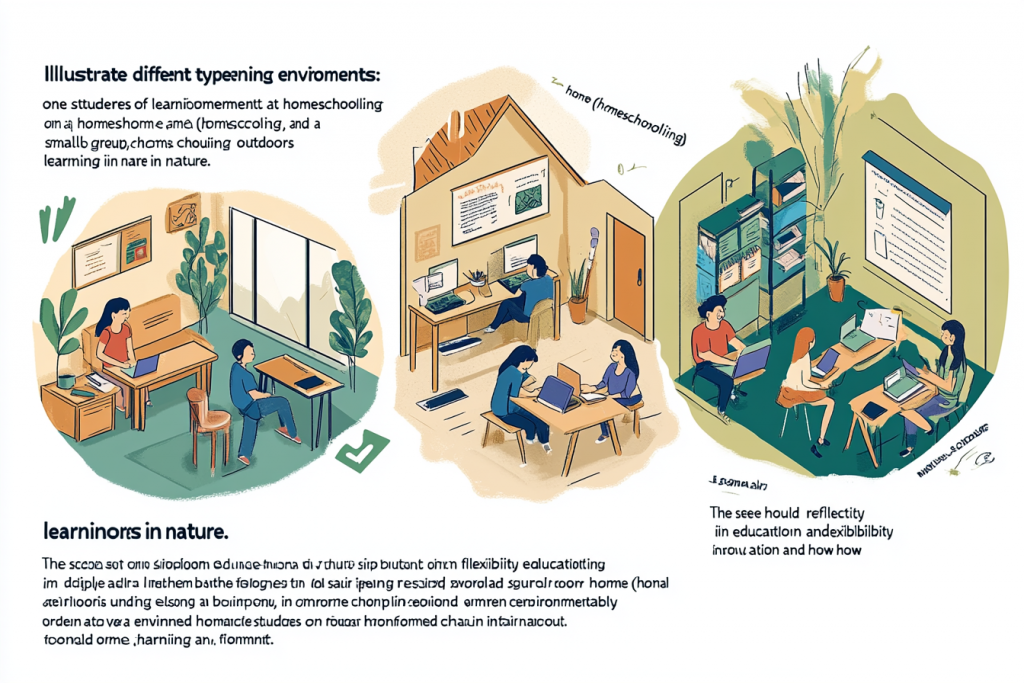
Not every student thrives in a traditional classroom. Some need alternative learning environments to reach their full potential.
🏠 Homeschooling – Allows students to learn at their own pace with a customized curriculum.
🎭 Montessori/Waldorf Approaches – Focus on hands-on, creative learning.
💡 Hybrid Learning – Combines in-person and online classes for a more flexible approach.
🔹 Example: A student struggling in a large classroom might excel in a smaller, hands-on learning environment.
🧘 5. Support Mental Health and Well-Being
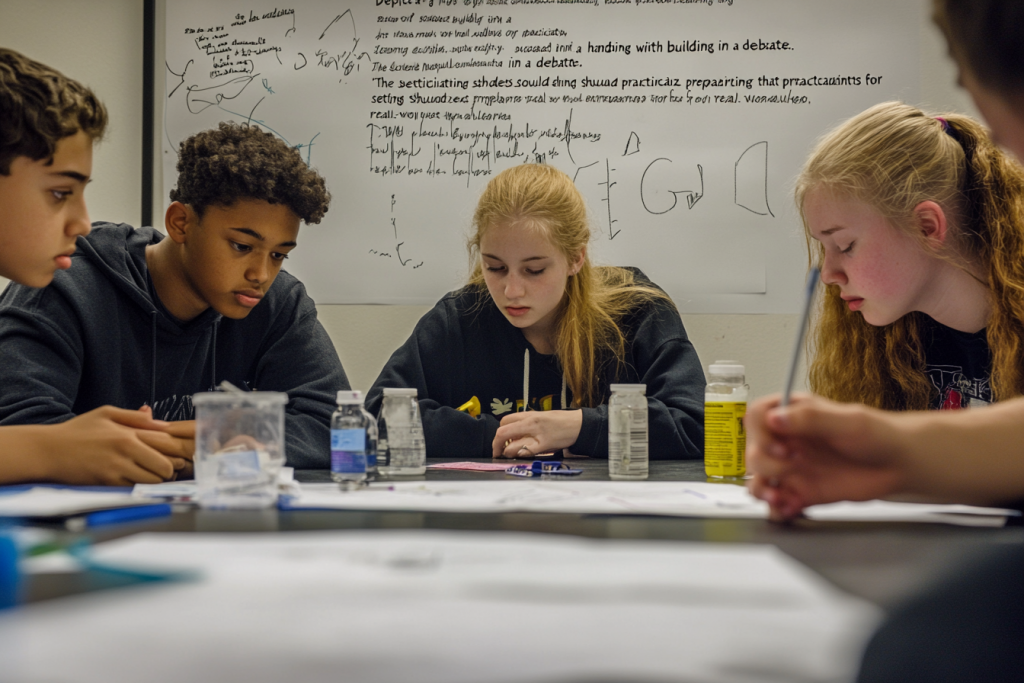
Students perform best when they feel safe, motivated, and emotionally supported.
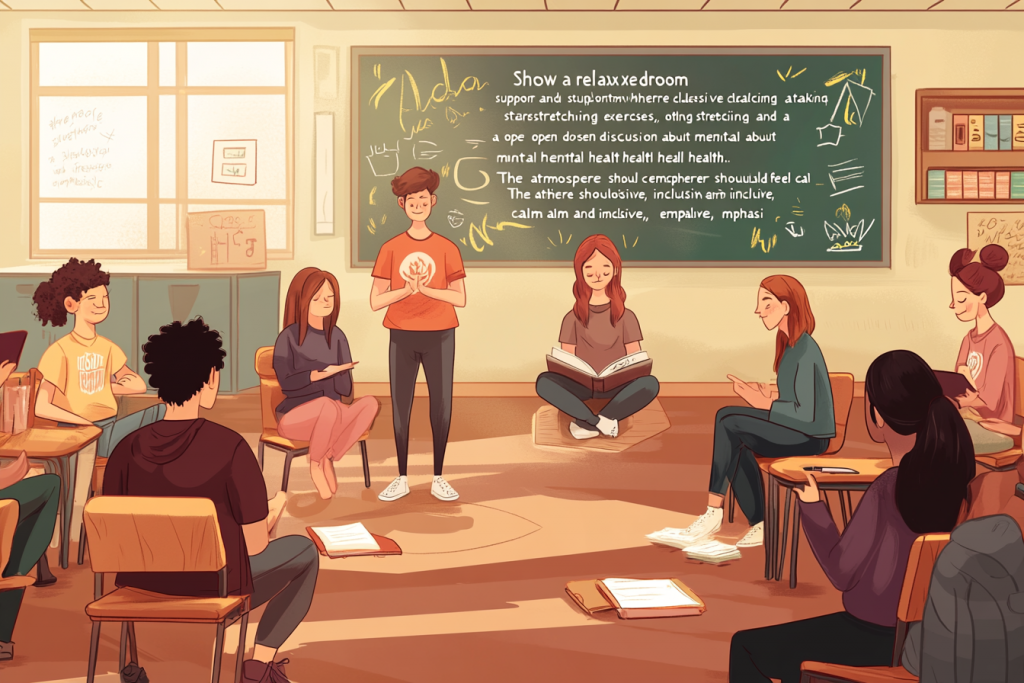
❤️ Prioritize mental health – Encourage breaks, mindfulness, and stress-management techniques.
📅 Create a balanced schedule – Avoid overwhelming students with excessive homework or pressure.
🤝 Build a positive school culture – Foster respect, inclusivity, and student-teacher collaboration.
🔹 Example: Schools that integrate mindfulness activities report improved focus and reduced stress in students.
🏆 Final Thoughts: The Best Way to Do School
The best way to do school is flexible, student-focused, and designed for real-world success. It should encourage curiosity, critical thinking, and emotional well-being while preparing students for their future.
Whether through traditional schools, homeschooling, online learning, or a hybrid approach, the key is to make education engaging, relevant, and supportive. 🌟
👉 What do you think is the best way to do school? Let’s reimagine education together! 🚀