Education is the foundation of a successful society, but many educational systems struggle to meet the needs of modern students. With evolving technology, diverse learning styles, and global challenges, schools must adapt to ensure students receive the best possible education.
So, how can we improve the educational system? Let’s explore key strategies that can transform learning and create a more effective, engaging, and inclusive education system.

🎯 1. Shift to Student-Centered Learning
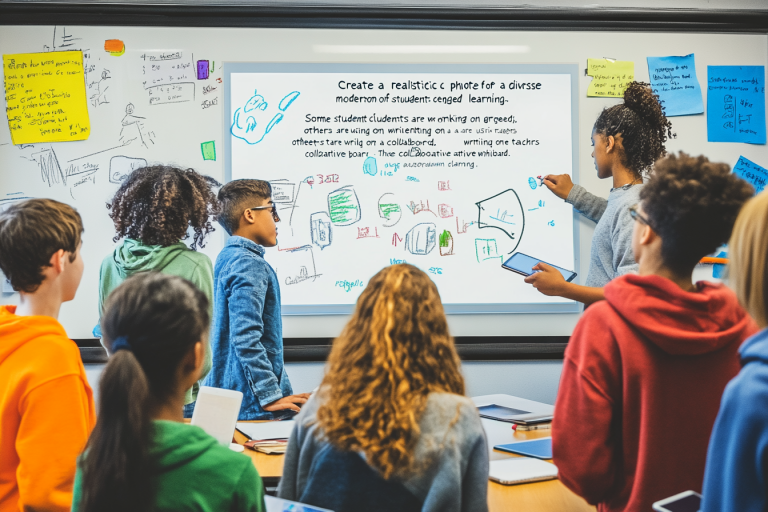
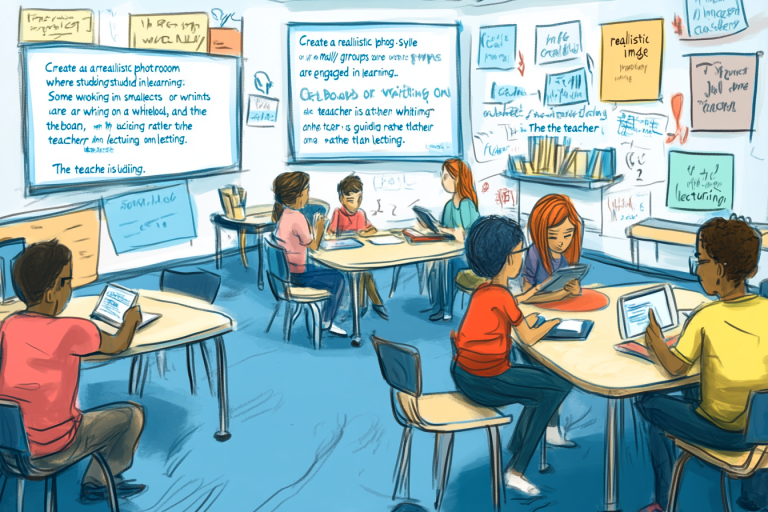
Traditional education often follows a one-size-fits-all approach, but every student learns differently. A student-centered system focuses on individual learning styles, interests, and strengths.
✅ Personalized Learning: Adapt lessons to students’ abilities and pace.
✅ Project-Based Learning: Encourage real-world application instead of rote memorization.
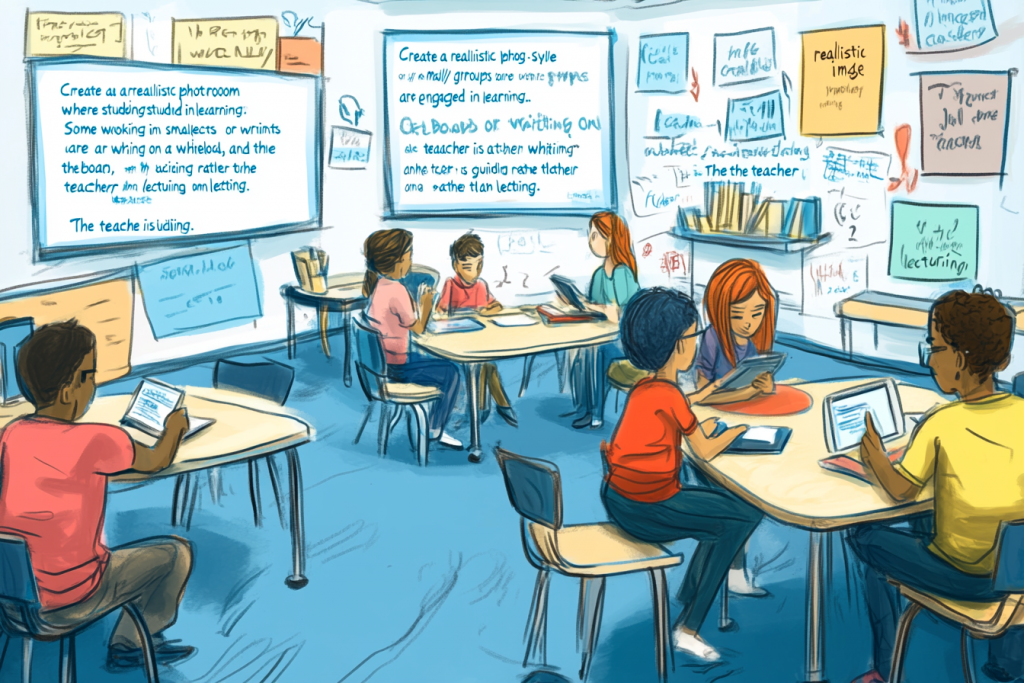
✅ Flexible Classrooms: Allow movement, discussion, and creative exploration.
🔹 Example: Instead of long lectures, students can work on group projects, research topics of interest, and engage in hands-on activities that make learning more meaningful.
💻 2. Integrate Technology and Innovation
The digital age requires an education system that leverages technology to enhance learning.
📱 Online Learning Platforms: Provide access to global educational resources.
🤖 AI-Powered Tutoring: Offer personalized support based on students’ needs.
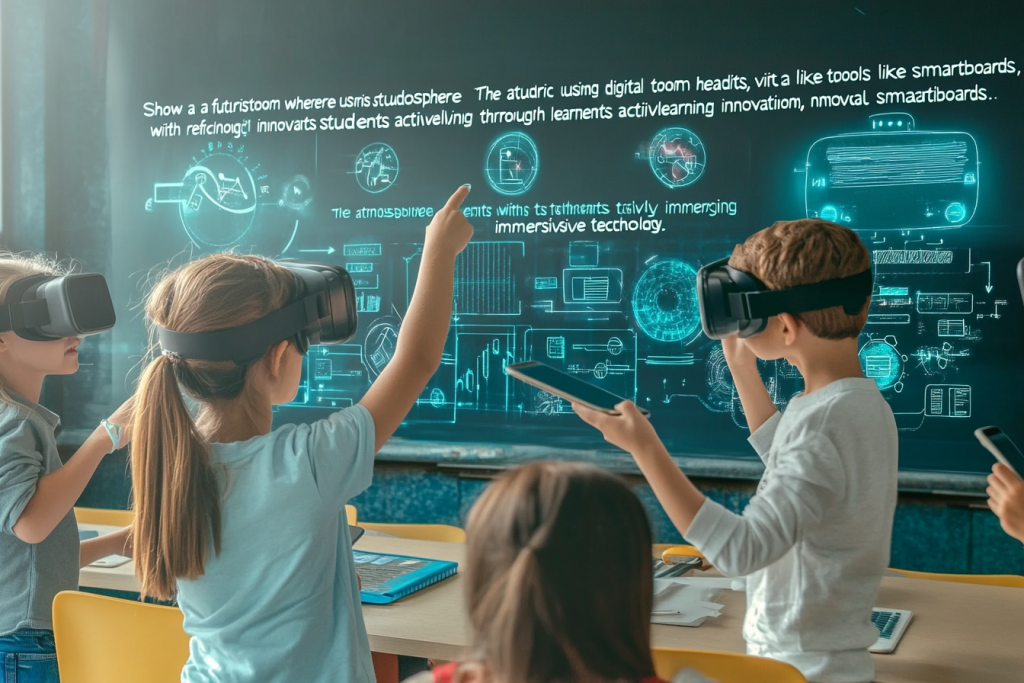
🌍 Virtual Reality & Augmented Reality: Make learning more immersive and interactive.
🔹 Example: Instead of reading about space, students can explore the solar system through VR—creating an exciting and memorable learning experience.
🏫 3. Rethink Standardized Testing
Excessive reliance on standardized tests can limit creativity and critical thinking. Instead, schools should adopt alternative assessment methods to measure real student progress.
✅ Portfolio-Based Assessments: Showcase student projects and progress over time.
✅ Competency-Based Learning: Allow students to advance based on skill mastery, not age.
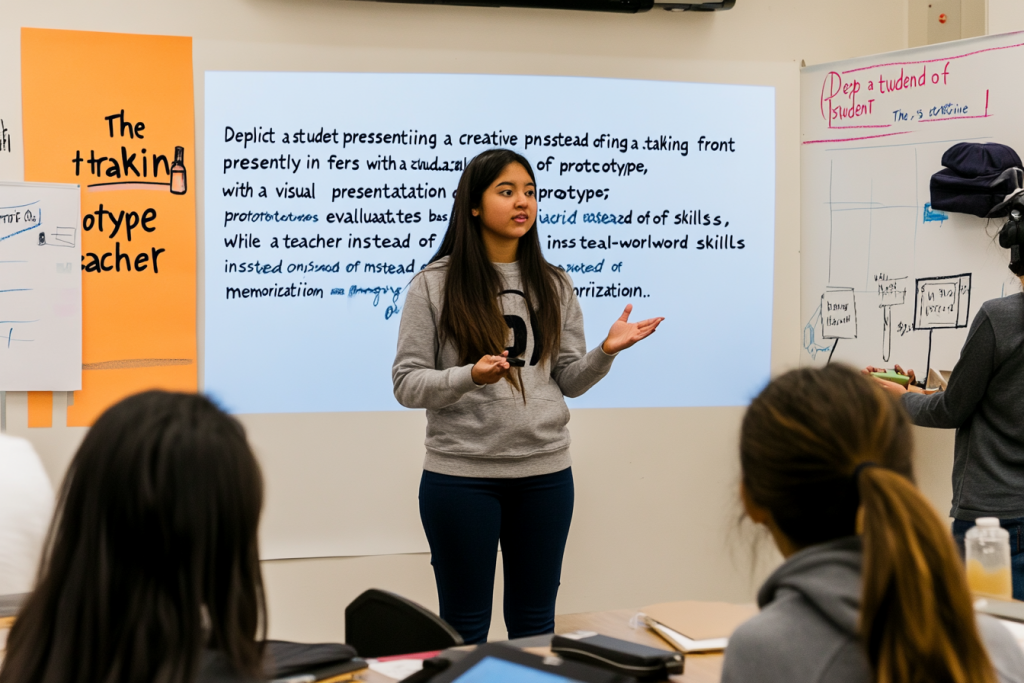
✅ Practical Evaluations: Use presentations, experiments, and group discussions to assess learning.
🔹 Example: Instead of memorizing facts for a multiple-choice exam, students could demonstrate their understanding through presentations, essays, and real-world applications.

🤝 4. Improve Teacher Training and Support
Teachers are the backbone of the education system, yet many lack the resources, training, and support to implement modern teaching methods. Investing in educators is crucial.
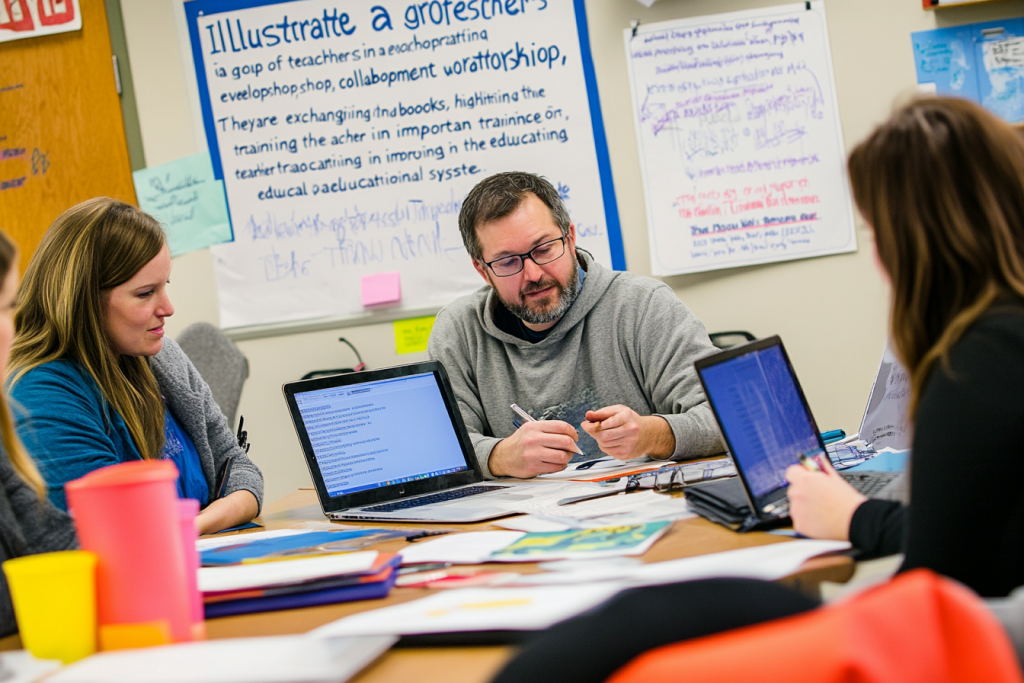
📚 Continuous Professional Development: Provide training on new teaching strategies and technologies.
💬 Teacher Collaboration Networks: Encourage sharing of best practices and innovation.
🏆 Better Pay & Work Conditions: Ensure teachers are motivated and valued for their hard work.
🔹 Example: Countries like Finland invest heavily in teacher training and autonomy, leading to one of the world’s most effective education systems.

🌍 5. Promote Critical Thinking Over Memorization
Education should go beyond memorizing facts—it should teach how to think, analyze, and solve problems.
💡 Encourage Debate and Discussions: Let students express ideas and form opinions.
🔍 Inquiry-Based Learning: Ask thought-provoking questions to spark curiosity.
🎭 Real-World Problem Solving: Have students work on challenges relevant to their lives.
🔹 Example: Instead of reciting historical dates, students could analyze historical events and their impact on today’s world.
🧘 6. Prioritize Student Well-Being and Mental Health
A healthy mind is essential for effective learning. Schools need to create an environment where students feel supported, valued, and encouraged.
❤️ Reduce Academic Pressure: Balance schoolwork with creativity and relaxation.
🧘 Implement Mental Health Programs: Teach mindfulness, stress management, and emotional intelligence.
🤝 Foster a Positive School Culture: Address bullying and build an inclusive environment.
🔹 Example: Schools that incorporate social-emotional learning (SEL) see improved student engagement, better mental health, and stronger academic performance.
🌟 Final Thoughts: How Can We Improve the Educational System?
The best way to improve education is to make learning more engaging, flexible, and relevant to the modern world. By embracing student-centered teaching, technology, teacher development, and mental well-being, we can create a system that truly prepares students for the future.
🚀 What changes would you like to see in education? Let’s shape the future of learning together!