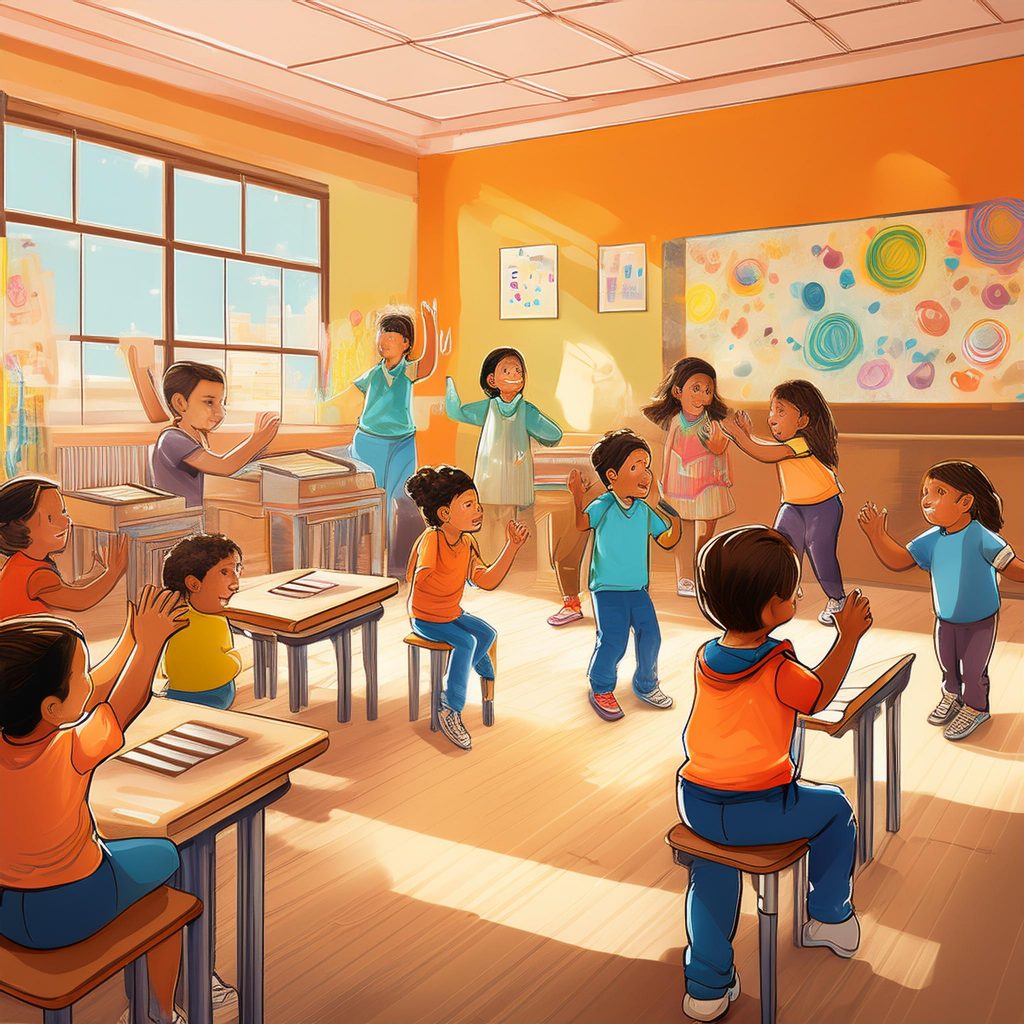
Music education is a vital part of childhood development, yet many educators and parents may lack access to traditional instruments. Fortunately, engaging music lessons don’t require expensive instruments—students can explore rhythm, melody, and musical creativity using only their voices, bodies, and everyday household items!
This guide will show you how to create fun, interactive music lessons that develop essential musical skills, enhance creativity, and keep young learners engaged without the need for instruments.
Why No-Instrument Music Lessons Are Effective
Teaching music without instruments has numerous benefits:
- Accessible for All Students: No financial barriers—music is for everyone!
- Encourages Creativity: Students learn to make music using everyday objects and their own bodies.
- Develops Core Musical Skills: Builds rhythm, pitch awareness, and musical memory.
- Enhances Coordination and Brain Development: Hand-clapping, vocal exercises, and movement-based music lessons support motor skills and cognitive growth.
Engaging No-Instrument Music Activities
1. Body Percussion – The Original Instrument!
Before instruments existed, humans made music with their bodies. Body percussion teaches rhythm and coordination in an exciting way.
How to Teach Body Percussion:
- Start Simple: Teach students basic patterns like clapping, snapping, patting knees, and stomping.
- Create a Rhythm Chain: Have each student add a movement to a group rhythm.
- Follow the Leader: One student leads with a rhythm, and others echo the pattern.
- Play Along to Music: Use songs with strong beats (e.g., We Will Rock You by Queen) for students to follow along.
Resource: Smithsonian Folkways – Body Percussion Activities
2. Vocal Exploration and Sound Effects
The human voice is the most versatile instrument available! Vocal play builds confidence and strengthens musical awareness.
Fun Vocal Activities:
- Vocal Warm-Ups: Have students mimic sirens, animal sounds, or exaggerated speech patterns.
- Pitch Matching Games: Play a note on a digital keyboard (or use an app like GarageBand), and have students match the pitch with their voice.
- Sound Storytelling: Read a short story and let students add vocal sound effects (wind, rain, footsteps, etc.).
- Call and Response Singing: Sing a phrase, and have students repeat it in different tones and speeds.
Resource: National Association for Music Education – Vocal Warm-Ups
3. Found Sound – Making Music with Everyday Objects
Encourage students to turn household items into instruments! Cups, spoons, paper, and even trash cans can become part of an orchestra.
How to Use Found Sounds:
- Experiment with Textures: Compare sounds from metal (spoons), plastic (bottles), and paper (crumpling).
- Create Sound Effects for a Story: Assign objects to represent parts of a story (e.g., shaking rice in a jar for rain).
- Build a Junk Band: Have students combine objects to form a rhythmic ensemble.
- Echo Patterns: Play a beat on a book or desk and have students copy it with their found sounds.
Resource: Carnegie Hall – Found Sounds in Music
4. Rhythm Games Without Instruments
Rhythm is one of the most essential skills in music, and it can be taught entirely through movement and pattern games.
Fun Rhythm Games:
- Clap the Rhythm: The teacher claps a short pattern, and students repeat it.
- Pass the Beat: Students sit in a circle, passing a rhythm from person to person by clapping or tapping.
- Rhythm Freeze: Play a beat using body percussion, then suddenly stop—students must freeze in place when the beat stops.
- Name Rhythm Game: Students say their name in a rhythmic way, adding claps and stomps.
Resource: Rhythm Play – Interactive Drumming
5. Singing and Solfège – Learning Pitch Without Instruments
Solfège (Do-Re-Mi system) helps children develop a sense of pitch without needing an instrument.
How to Teach Solfège:
- Start with Hand Signs: Assign hand motions to each note (Do, Re, Mi, Fa, So, La, Ti, Do).
- Sing the Scale: Have students sing up and down the scale using hand signs.
- Solfège Simon Says: Play a game where students follow along with solfège hand signs.
- Apply to Songs: Sing simple songs (Twinkle Twinkle Little Star) using solfège syllables.
Resource: Kodály Method – Teaching Solfège
6. Dance and Movement-Based Music Activities
Music and movement go hand in hand! Incorporating dance and movement enhances students’ musical understanding and keeps energy levels high.
Engaging Music Movement Activities:
- Move to the Beat: Play a song and have students move their bodies to match the rhythm.
- Freeze Dance: Students dance when the music plays and freeze when it stops.
- Shape Dancing: Call out different shapes, and students must form those shapes with their bodies to match the music.
- Music Charades: Assign music styles (jazz, rock, classical) and have students act out movements that represent them.
Resource: BADA Education – Alternative Learning Strategies
Related Educational Resources
For more creative music lesson ideas, visit:
- BADA Education – Engaging Music Education Techniques
- National Association for Music Education – Music Teaching Resources
- Carnegie Hall – Music Education Programs
Final Thoughts
Music education doesn’t require expensive instruments—just creativity, rhythm, and a little imagination! Whether using body percussion, vocal exploration, found sounds, or dance, students can develop musical skills in an exciting and engaging way.