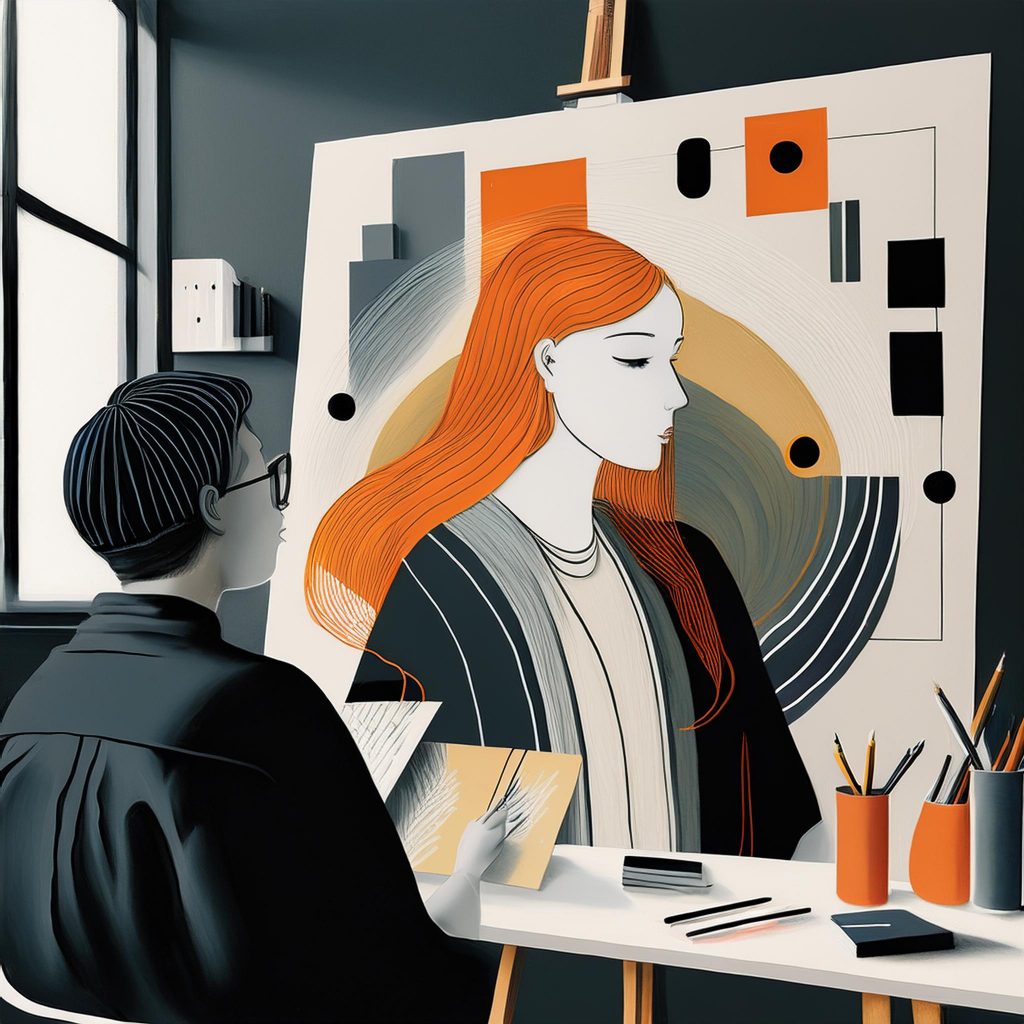
Art is a powerful medium for self-expression, and self-portrait projects offer students an opportunity to explore their identity, emotions, and creativity in a meaningful way. Whether in a homeschool environment or a traditional classroom, this project helps students connect with their inner selves while learning fundamental artistic techniques.
Why Self-Portraits Are Important in Education
Engaging students in self-portrait projects has multiple benefits:
- Encourages Self-Expression: Helps students communicate their emotions, values, and personal identity visually.
- Enhances Critical Thinking: Requires students to analyze their features, emotions, and artistic choices.
- Builds Confidence: Fosters self-acceptance and pride in one’s individuality.
- Develops Artistic Skills: Introduces techniques such as shading, proportion, and color theory.
- Connects Art with Personal Growth: Allows students to explore their past, present, and future through visual storytelling.
How to Implement a Self-Portrait Project
1. Introduce the Concept of Self-Portraits
- Start by discussing famous self-portraits by well-known artists, such as:
- Vincent van Gogh – Expressive brushstrokes reflecting inner emotions.
- Frida Kahlo – Symbolic self-portraits exploring identity, pain, and heritage.
- Pablo Picasso – Abstract and cubist styles capturing personality in unique ways.
- Show different styles of self-portraits, from hyper-realistic to abstract, and discuss how each conveys personal identity.
- Resource: The National Gallery – Self-Portrait Analysis
2. Encourage Reflection and Identity Exploration
- Before starting the artwork, have students reflect on their identity using guided questions:
- What emotions do I want to express?
- What symbols represent my personality?
- What colors best describe my mood and character?
- Use a self-identity worksheet to help students brainstorm ideas.
- Resource: Smithsonian Learning Lab – Exploring Identity Through Art
3. Provide Artistic Medium Options
- Let students choose from different artistic mediums based on their preferences:
- Pencil & Charcoal – Ideal for learning shading and proportions.
- Watercolors & Acrylics – Great for expressive and colorful compositions.
- Collage & Mixed Media – Allows students to incorporate personal photos, magazine clippings, or textured elements.
- Digital Art – Encourages the use of technology with drawing apps and tablets.
- Encourage experimentation with textures, layers, and patterns.
- Resource: MoMA Learning – Exploring Art Mediums
4. Guide Students Through the Creative Process
- Step 1: Sketching the Basic Features
- Have students start with a light pencil sketch to map out their facial features.
- Teach the basic proportions of the face (e.g., eyes are halfway down the head, nose sits in the middle of the lower half).
- Step 2: Adding Details and Personal Elements
- Encourage students to incorporate symbols, abstract elements, or background details that reflect their personality.
- Examples:
- A nature-loving student may include trees or animals in their background.
- A music enthusiast may draw themselves with a musical instrument.
- Step 3: Experimenting with Color and Texture
- Discuss color theory and how different hues can represent emotions (e.g., blue for calm, red for passion, yellow for joy).
- Teach blending and layering techniques for depth and contrast.
- Step 4: Finalizing and Refining
- Let students refine details and add finishing touches, emphasizing their unique artistic style.
5. Reflect and Discuss
- Once the portraits are complete, have students present their artwork and explain their creative choices.
- Foster a positive and supportive discussion on self-expression and identity.
- Ask guiding questions like:
- What did you learn about yourself through this project?
- How did the colors and symbols in your portrait represent your personality?
- What artistic choices helped you express emotions?
- Resource: BADA Education – Fostering Creativity in the Classroom

Extensions and Cross-Curricular Connections
- History Connection: Study self-portraits from different historical periods and cultures.
- Literature Tie-In: Have students write a poem or short essay about their portrait.
- Psychology Link: Discuss how self-portraits can reflect mental and emotional states.
Related Educational Resources
For more inspiration on integrating art into learning, visit:
Final Thoughts
A self-portrait project is more than an art assignment—it is an opportunity for self-discovery, creative expression, and personal growth. By guiding students through this process, educators and parents can help them build confidence and explore their identity in a meaningful way.