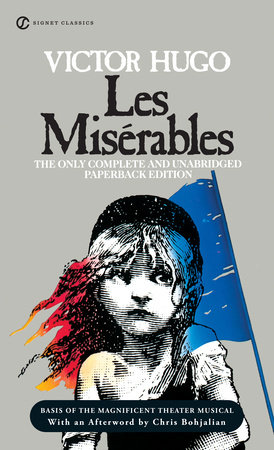
Les Misérables – Victor Hugo
Victor Hugo's Les Misérables is a monumental work that has captivated readers for generations. This classic touches on significant themes, making it a profound piece of literature for mature readers. Recommended for teens and adults, typically ages 16 and up, it offers an enriching experience with its complex themes and historical context.
An Immersive Genre
The novel falls into the categories of historical fiction, drama, and social commentary. These genres combine to create a story that is as educational as it is engaging, delving into the intricacies of 19th-century French society while exploring timeless human struggles.
The Case for Reading
Why should you read Les Misérables? It is more than just a novel; it's an exploration of human nature, justice, and redemption. Hugo weaves a narrative that is both compelling and thought-provoking. The story sparks profound moral and social discussions, making it essential reading for anyone interested in the human condition.
Victor Hugo: A Literary Luminary
Hugo was not only a prolific novelist but also a crucial figure in the Romantic movement. Known for works like "Les Misérables" and "The Hunchback of Notre-Dame", he was deeply involved in political and social causes. His storytelling was a vehicle for addressing issues of justice, human rights, and democracy, and his influence extends well beyond literature.
A Brief Summary
"Les Misérables" chronicles the journey of Jean Valjean, a man in search of redemption after 19 years of imprisonment for stealing bread. Set in the tumultuous landscape of 19th-century France, the novel interlaces the lives of diverse characters like the unyielding Inspector Javert, the impoverished Fantine, and her daughter, Cosette. Through these interconnected stories, Hugo offers a vivid depiction of societal struggles and injustices, urging readers to contemplate compassion and the potential for personal change.
Exploring Key Themes
Central themes in the novel include the quest for redemption, the power of love and sacrifice, and the social and moral injustices suffered by the impoverished. The narrative also addresses the unwavering pursuit of justice and the impact of revolutionary ideas on society. These themes ensure the novel's continuing relevance.
Ideal Readers
This book is perfect for those who are drawn to classic literature, enjoy historical narratives, and appreciate deep character studies. It also appeals to readers who are passionate about social justice and the exploration of moral and ethical dilemmas.
Closing Reflections
Victor Hugo’s "Les Misérables" remains an influential work that resonates with readers due to its exploration of timeless human struggles. With its narrative depth and sophistication, it stands as a rewarding read. Rating: 4.5 out of 5.