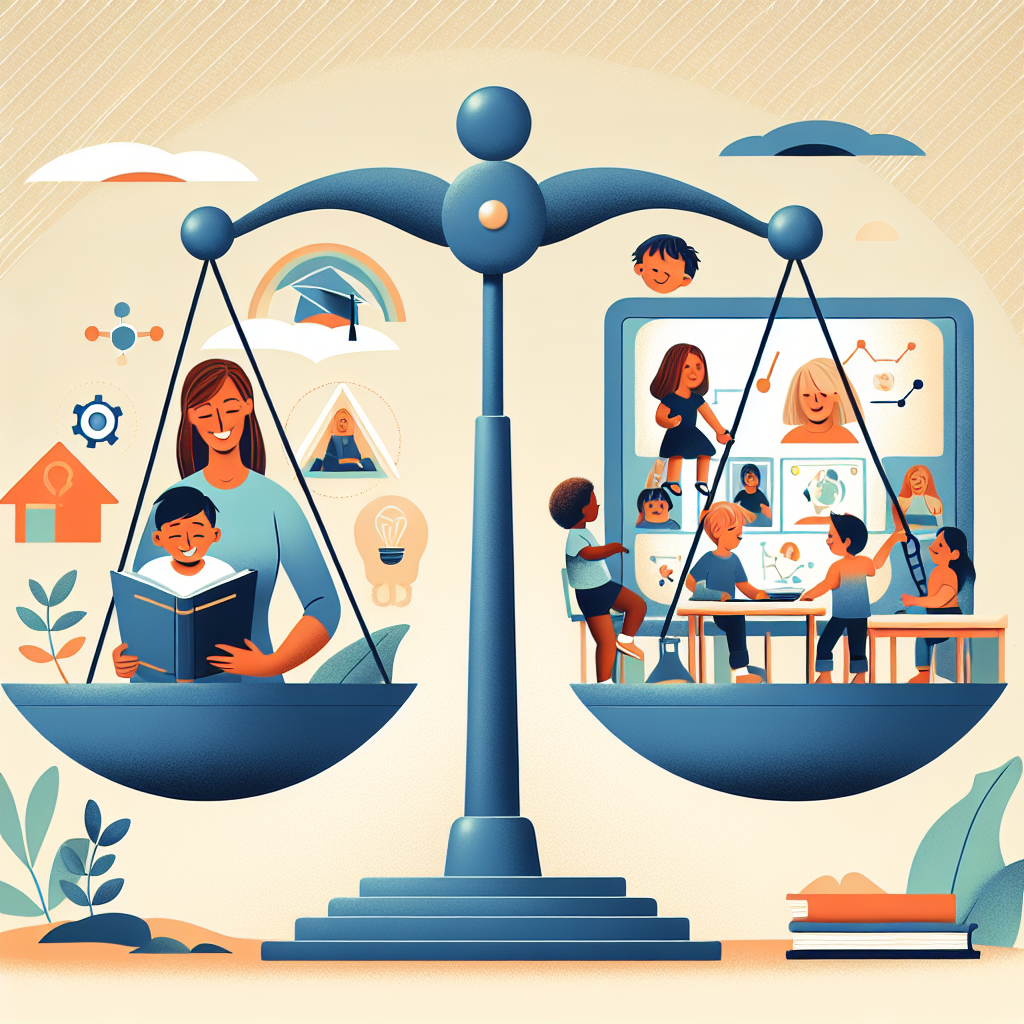
Balancing Parent-Led Learning and Structured Online Programs: Finding the Best Approach
Introduction
As homeschooling continues to rise in popularity, families are faced with the challenge of balancing parent-led instruction with structured online learning programs. While both approaches offer unique advantages, finding the right blend can optimize a child’s education and engagement. In this post, we’ll explore the benefits and challenges of each method, provide strategies for integration, and discuss how to tailor a balanced approach that meets the needs of both students and parents.
Understanding Parent-Led Learning
Parent-led learning refers to an education model where parents take the primary role in instructing their children. This approach provides flexibility, customization, and a strong parent-child learning dynamic.
Advantages:
- Customization: Parents can tailor the curriculum to fit their child’s interests, strengths, and weaknesses.
- Flexible Scheduling: Families can adjust lesson times based on their routines, travel, and learning pace.
- Stronger Parent-Child Bond: Learning together fosters close relationships and allows for immediate feedback and support.
- Real-Life Learning Integration: Parents can incorporate practical experiences such as field trips, hands-on projects, and family discussions into daily learning.
Challenges:
- Time-Intensive: Parents need to dedicate significant time to lesson planning, teaching, and evaluating progress.
- Limited Subject Expertise: Parents may struggle to teach advanced topics such as calculus, physics, or foreign languages.
- Potential for Gaps in Learning: Without structured guidance, there’s a risk of missing key academic milestones.

The Role of Structured Online Programs
Structured online programs provide a pre-designed curriculum with lessons, assignments, and assessments, typically taught by certified educators or experts.
Advantages:
- Expert Instruction: Access to qualified educators ensures students receive high-quality instruction, particularly in advanced subjects.
- Comprehensive Curriculum: Many online programs align with state standards, ensuring a well-rounded education.
- Independent Learning: Students develop self-discipline and responsibility by managing their coursework independently.
- Peer Interaction: Some online platforms include discussion forums, group projects, and live classes that help students interact with peers.
Challenges:
- Less Flexibility: Fixed schedules and deadlines may not work for all families.
- Screen Time Concerns: Excessive screen exposure can impact focus and health.
- Limited Parental Involvement: Parents may feel disconnected from their child’s learning process.
Finding the Right Balance
A successful homeschooling strategy often involves blending both parent-led and structured online learning. Here’s how to create an effective balance:
- Identify Learning Goals: Define clear academic and personal growth goals to determine which subjects require structured online courses and which can be taught by parents.
- Use Online Programs for Core Subjects: Subjects requiring specialized knowledge, such as advanced math or science, can be supplemented with structured online courses.
- Incorporate Parent-Led Learning for Hands-On and Creative Subjects: Creative arts, literature discussions, and real-life applications can be covered through parent-led instruction.
- Maintain a Flexible Schedule: A mix of structured lessons and free learning time ensures both discipline and creativity.
- Monitor and Adjust: Regularly assess progress and make adjustments as needed to optimize the learning experience.
Recommended Online Programs for Homeschoolers
- Khan Academy (https://www.khanacademy.org) – Free, high-quality courses in a variety of subjects.
- Time4Learning (https://www.time4learning.com) – A structured online curriculum for Pre-K to 12th grade.
- Outschool (https://www.outschool.com) – Live interactive classes on diverse topics.
- edX (https://www.edx.org) – University-level courses for high school students and advanced learners.
- The Good and The Beautiful (https://www.goodandbeautiful.com) – A faith-based homeschooling curriculum with online resources.
Conclusion
The key to a successful homeschooling experience lies in striking the right balance between parent-led instruction and structured online learning. By leveraging the strengths of both approaches, parents can ensure their children receive a comprehensive, engaging, and well-rounded education.