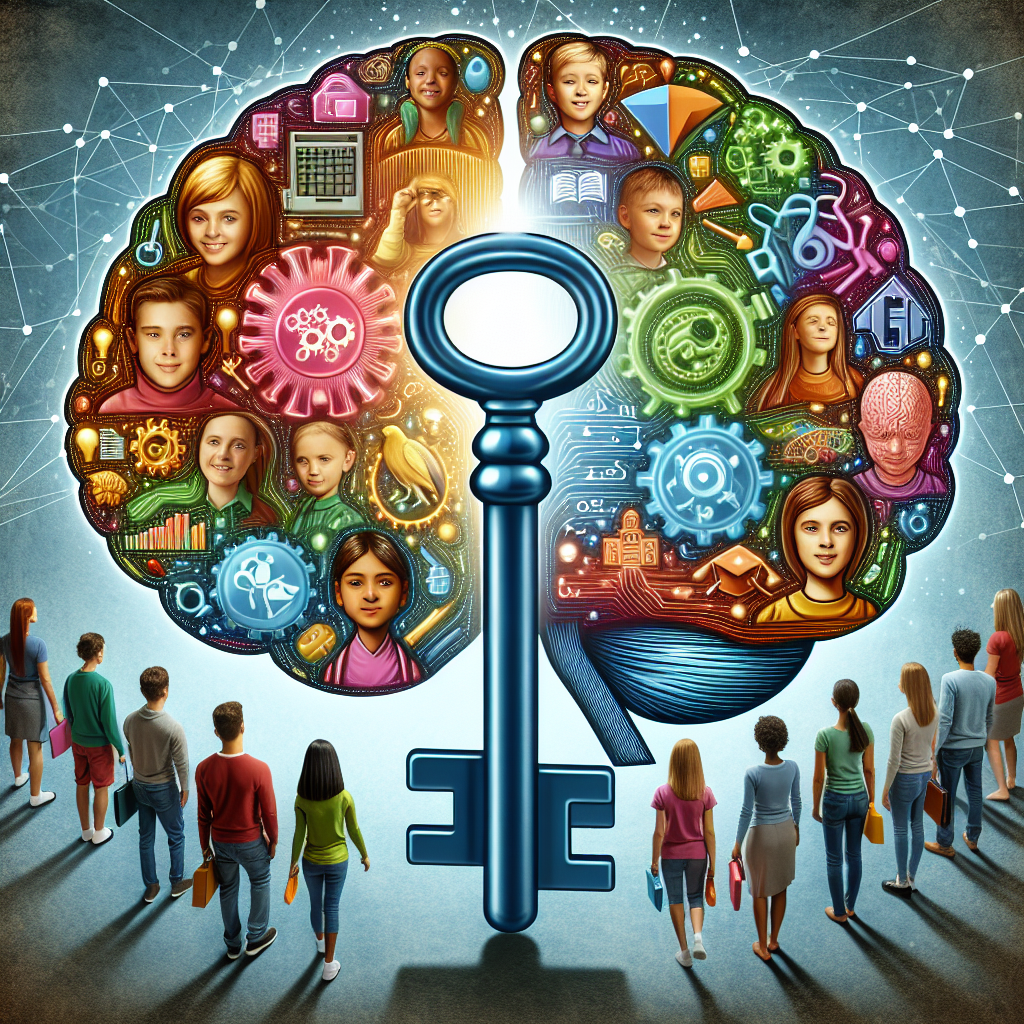
What Are the Key Benefits of Social-Emotional Learning for Students?
Social-Emotional Learning (SEL) is at the forefront of modern education, focusing on the development of students' emotional intelligence, interpersonal skills, and self-awareness. As education evolves, incorporating SEL into curriculums has become crucial for fostering well-rounded individuals ready to face life's diverse challenges.
Academic Achievements Through SEL
One of the most visible benefits of SEL is its impact on academic performance. Numerous studies demonstrate that students engaged in SEL programs tend to achieve higher grades and test scores. This improvement is attributed to enhanced critical thinking and problem-solving abilities that SEL cultivates, allowing students to approach academic challenges with a more analytical mindset.
Moreover, SEL contributes to better classroom behavior. Students learn to manage their emotions and develop greater attention spans, leading to a more conducive learning environment. This behavioral shift not only benefits the individual student but also creates a more harmonious and productive classroom experience for everyone.
Emotional Growth and Well-being
SEL is instrumental in increasing students' self-awareness and ability to regulate emotions. By understanding and managing their feelings, students can navigate academic and personal challenges more effectively. This self-awareness also fosters greater resilience, enabling students to tackle stress with more robust coping strategies.
Furthermore, SEL enhances empathy and compassion, essential traits for emotional development. Students learn to appreciate different perspectives and communicate more effectively, promoting a supportive and inclusive atmosphere both in and outside of school.
Building Social Connections
Through SEL, students improve their social skills and nurture better relationships. Programs focused on SEL teach effective communication, collaboration, and conflict resolution skills. These abilities contribute to an increased sense of community and belonging among students, reducing feelings of isolation and exclusion.
Additionally, schools incorporating SEL report a noticeable reduction in bullying and conflict. Students with strong social-emotional skills are more likely to identify and empathetically respond to peer issues, creating a safer and more respectful school environment.
Lifelong Advantages
The benefits of SEL extend well beyond the classroom. Students proficient in social-emotional skills are better prepared for real-world challenges, equipped with the lifelong learning skills necessary to adapt and thrive in various situations. Their heightened awareness and empathy lead to a positive impact on mental health, decreasing the likelihood of mental health issues later in life.
Effective SEL Implementation
Successfully implementing SEL requires a collaborative approach. Teachers and educators play a pivotal role in modeling and reinforcing these skills. Simultaneously, the involvement of parents and guardians is crucial, as reinforcement at home ensures that SEL principles are integrated into students' everyday lives.
A supportive school environment is also essential. Schools must foster an atmosphere of encouragement and understanding, making it easier for students to practice and develop their social-emotional skills consistently.
Looking Forward
The future of SEL in education is promising, with its adoption increasing in schools worldwide. By prioritizing SEL, stakeholders can ensure that students develop the necessary skills to succeed academically, socially, and emotionally. Implementing SEL effectively will require ongoing commitment from educators, parents, and the community to provide students with the tools they need to thrive.
In conclusion, the immense benefits of SEL highlight its significance in shaping future generations. As we continue to integrate these essential skills into educational systems, the potential for a more empathetic, resilient, and connected world becomes increasingly attainable.
For those looking to explore more about how SEL can be integrated into educational systems, consider resources from the Collaborative for Academic, Social, and Emotional Learning (CASEL), Edutopia's insights on SEL, and the American Institutes for Research's guide to SEL.