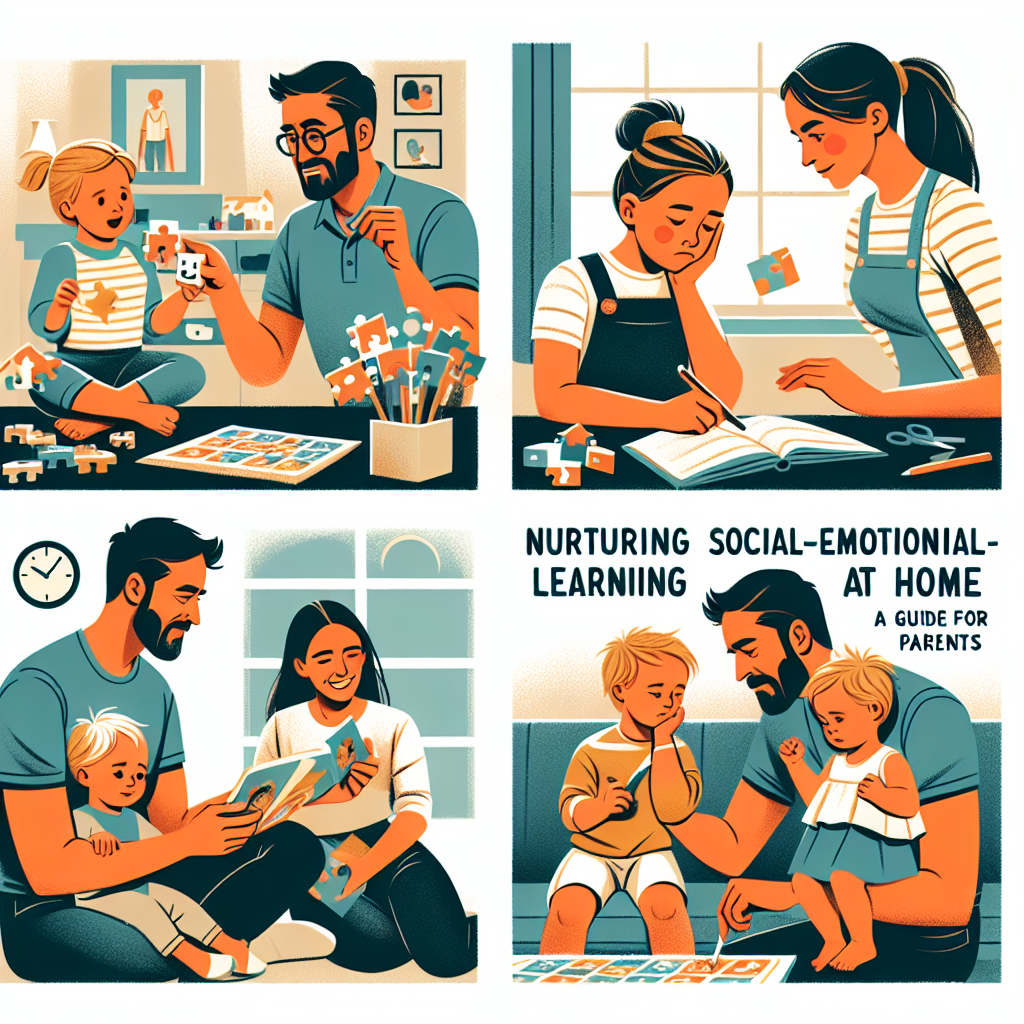
How Parents Can Foster Social and Emotional Learning (SEL) at Home
Social and Emotional Learning (SEL) is a crucial part of childhood development that involves understanding and managing emotions, setting positive goals, and establishing healthy relationships. SEL's importance cannot be overstated, as it lays the foundation for children's success both in school and in life. Parents play a pivotal role in supporting SEL by creating an environment that fosters these skills.
Key Components of SEL
SEL comprises several key components, including self-awareness, self-management, social awareness, relationship skills, and responsible decision-making. Each of these areas contributes to a child’s ability to interact positively with others and navigate the challenges of everyday life.
Nurturing a Supportive Environment
Creating an environment that supports SEL begins with open communication. Encourage your child to express their thoughts and feelings openly. Additionally, fostering empathy and understanding will help children develop compassion for others. Establishing clear routines and boundaries can also provide a sense of security and consistency, helping children learn self-management.
Practical Strategies for Enhancing SEL
Parents can utilize several practical strategies to enhance SEL at home. Modeling emotional regulation and problem-solving teaches children how to handle difficult situations calmly and thoughtfully. Encourage your child to express their emotions in a healthy way and practice active listening, demonstrating empathy in everyday interactions.
Incorporating SEL into Daily Life
Integrate SEL into daily activities through family discussions, social stories, and role-playing. These activities encourage children to think about different perspectives and practice empathy. Participating in collaborative games and projects helps develop relationship skills and fosters teamwork within the family unit.
Resources to Support Parents
There are numerous tools and resources available to help parents support SEL. Books such as "The Whole-Brain Child" by Daniel J. Siegel offer insights into child development. Interactive apps like Peekapak provide engaging ways for children to learn SEL skills. For more structured support, consider exploring online programs and guides from organizations like the Collaborative for Academic, Social, and Emotional Learning (CASEL), which offers a wealth of information and resources.
Overcoming Challenges in SEL
Implementing SEL at home can present challenges, such as addressing resistance or finding time amidst academic and extracurricular demands. It’s crucial to adapt strategies to fit the unique needs of various age groups. Flexibility and patience are key in overcoming these barriers, ensuring that SEL remains a priority in your child's development.
By embracing the benefits of SEL and committing to support these skills at home, parents can vastly improve their children's emotional resilience and social competence. Your involvement is essential in cultivating a nurturing environment where these vital skills can flourish.
For further reading and resources, you can explore CASEL, access child development workshops through Parenting Now, or find community-based support via Parents as Teachers. These platforms provide valuable guidance and insights to ensure that SEL is an integral part of your child's upbringing.