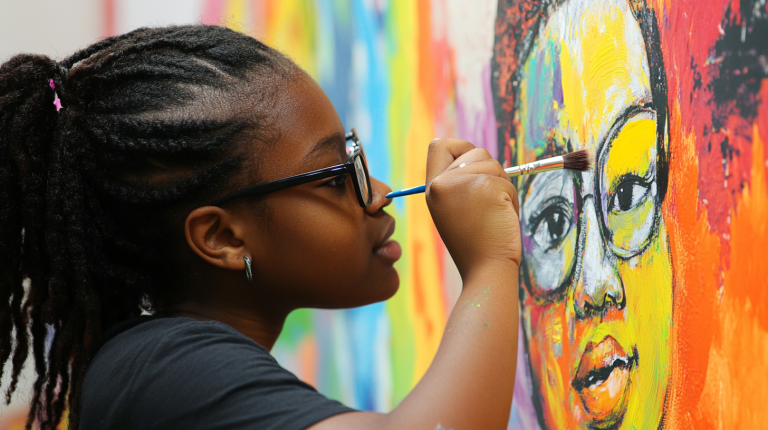
Understanding Racist Bullying and Its Impact on Students
Racist bullying is an unsettling reality that many students across the United States face, particularly those belonging to marginalized communities. Black students in predominantly white schools can experience isolation, leading to severe emotional and psychological challenges. Addressing these issues is crucial for creating a more inclusive and supportive educational environment.
The Importance of Support Systems
Creating a robust support system within schools is essential for helping students who experience bullying. This includes:
- Providing access to trained counselors who can offer emotional support and guidance.
- Implementing policies that actively address and condemn racist behavior.
- Engaging in open dialogues to educate the school community about racism and its harmful effects.
It is also vital for **parents and guardians** to maintain open communication with their children and the school administration to ensure all instances of bullying are promptly addressed.
Resources for Overcoming Racist Bullying
Several resources in the USA are dedicated to combating bullying, particularly racist bullying, and supporting affected students:
- StopBullying.gov: This comprehensive resource provides information on identifying, preventing, and addressing bullying. Visit their site to learn more about anti-bullying strategies and legal rights.
- NASP (National Association of School Psychologists): NASP offers resources and guidelines for educators and parents on preventing and responding to bullying, including that which is racially motivated. Check out their resources for specific steps schools can take to create safer environments.
- Southern Poverty Law Center: Known for its commitment to fighting hate and bigotry, the SPLC provides educational materials and programs focused on diversity and inclusion. Explore SPLC’s educational resources for schools and communities.
The Role of Community and Advocacy Groups
Local and national advocacy groups play a significant role in supporting victims of racist bullying. These groups often offer:
- Workshops and training for educators, students, and parents on cultural competency and anti-racism.
- Support networks where students can share experiences and find solidarity with others who have faced similar situations.
- Legal advocacy to ensure schools are held accountable for protecting students’ rights.
Taking Action for a Better Future
To create a fair and inclusive educational landscape, it is vital for schools, families, and communities to work together to combat racism and bullying. Utilizing available resources and fostering open, honest conversations are vital steps towards ensuring every student can learn in an environment free from discrimination and fear. By taking collective action, we can help build a more understanding and inclusive future for all students.