7 Ways to Balance Joy With Rigor in Math Class
The importance of balancing joy and rigor in math education cannot be overstated. On one hand, math is often perceived as challenging and demanding. On the other, fostering an environment of enjoyment can transform these challenges into opportunities for growth and learning. Navigating the fine line between rigor and joy involves understanding, creativity, and a commitment to student well-being. This blog post explores various strategies to help educators create a math classroom that prioritizes both effective learning and a love for the subject.
Understanding the Importance of Joy and Rigor
Joy and rigor are both essential components of effective math learning. While rigor ensures a thorough understanding of complex concepts, joy encourages engagement and reduces anxiety. Excessive stress in learning can lead to disengagement, whereas an enjoyable learning environment can motivate students and enhance performance. Striking the right balance between these elements can make math both challenging and delightful.
Building a Welcoming Classroom
Creating a positive classroom environment is critical in balancing joy with rigor. A welcoming and inclusive atmosphere sets the stage for students to feel both comfortable and motivated. Developing strong student-teacher relationships is key in this process. By showing genuine interest in students’ progress and well-being, teachers can cultivate an atmosphere that promotes trust and engagement, making the learning process both rigorous and enjoyable.
Engaging with Hands-On Activities
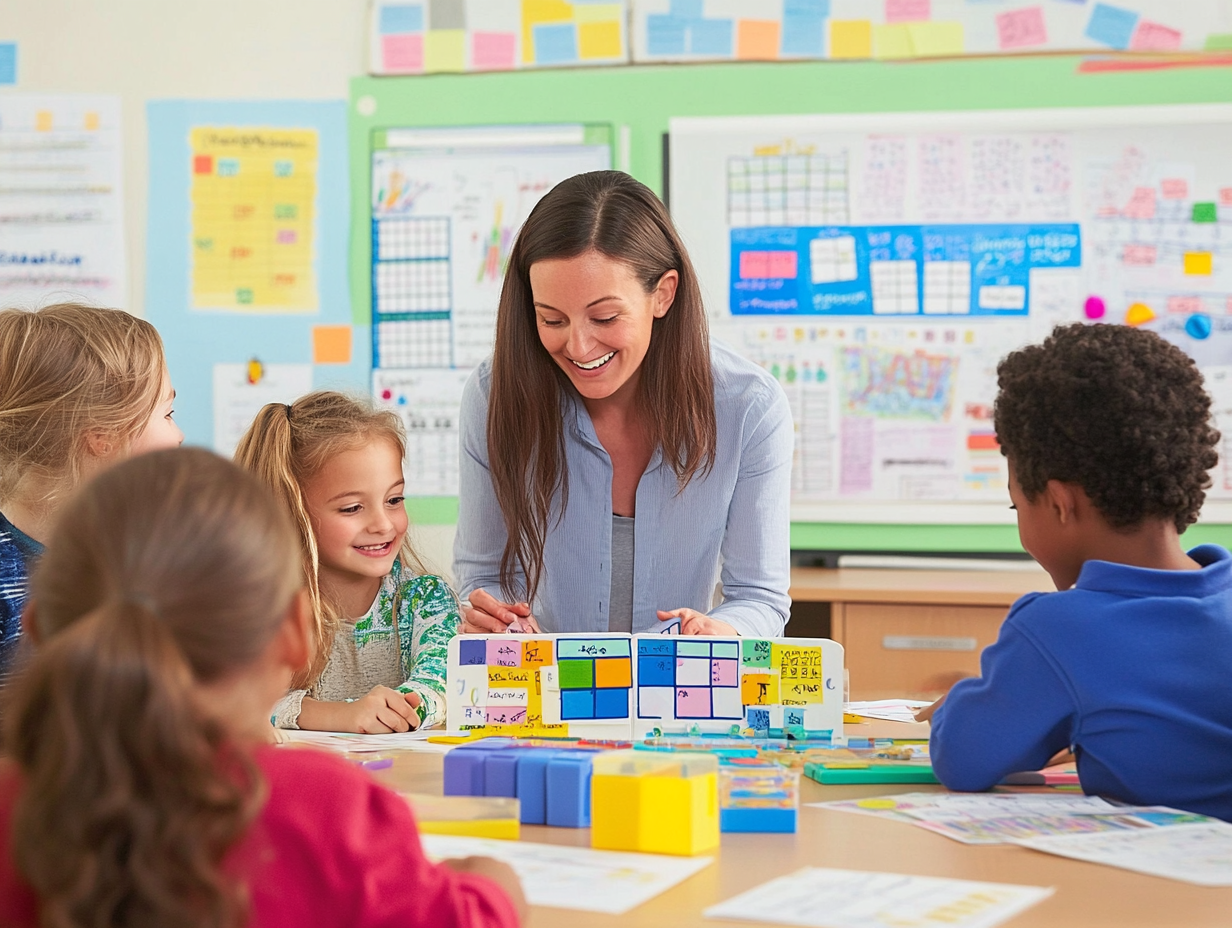
Incorporating hands-on activities in math classes offers significant benefits through experiential learning. These activities not only make abstract concepts more tangible but also add an element of fun that fosters better understanding. For instance, using math manipulatives or real-world problem-solving scenarios can enhance students’ grasp of challenging topics while maintaining a joyful learning environment.
Leveraging Technology and Gamification
Technology and gamification are powerful tools in enhancing math learning experiences. By integrating educational games and apps, educators can introduce a playful element to rigorous tasks. These tools not only support diverse learning styles but also maintain students’ interest by allowing them to learn fundamental concepts in a refreshing and interactive way. This blend of technology ensures both joy and depth in mathematical exploration.
Promoting Cooperative Learning
Collaborative learning encourages teamwork and peer interaction, essential in understanding math concepts. By working in teams, students can exchange ideas, explain concepts to one another, and learn from different perspectives. Techniques such as group projects or peer tutoring can optimize this cooperative method, fostering a culture where challenge is a communal effort and joy is found in shared achievements.
Tailoring to Individual Learning Needs
Offering personalized learning paths respects each student’s unique abilities and needs, providing both enrichment for advanced learners and support for those who may struggle. By customizing lessons to suit individual requirements, educators can nurture a balanced environment where every student can experience both the joy of achievement and the depth of learning.
Acknowledging Achievements and Growth
Celebrating achievements and progress in math is vital for developing a growth mindset. Recognizing and rewarding student success fosters motivation and encourages resilience. These celebrations, whether through verbal praise, certificates, or classroom displays, affirm students’ efforts and reinforce the idea that improvement is continuous and satisfying.
Incorporating these seven strategies can significantly affect the dynamics of math education, encouraging a harmonious coexistence of joy and rigor. The transformation in students’ attitudes towards math not only enhances their learning experience but also prepares them for lifelong engagement with the subject. We invite educators and stakeholders to engage in this dialogue and share their insights on this transformative educational journey.