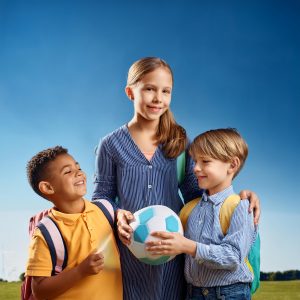
The ability for elementary students to self-regulate is crucial for their personal growth and success in the classroom. It helps them manage their emotions, behave appropriately, and focus on their learning. Self-regulation nurtures a positive learning environment and enhances the well-being of both the students and the entire classroom community.
Understanding Self-Regulation
Self-regulation involves managing one’s emotions, impulses, and behaviors in a socially acceptable way. It comprises three key components: emotional regulation, impulse control, and perseverance. Mastery of these elements empowers students to face challenges with confidence.
Creating a Supportive Environment
A supportive environment in the classroom is fostered by establishing routines and structure, which provide students with a predictable setting. Designing a calming classroom space with fewer distractions can significantly aid self-regulation by making students feel secure and focused.
Teaching Emotional Literacy
Helping students recognize and name emotions is the foundation of emotional literacy. Incorporating emotional check-ins during the day allows students to express themselves and monitor their emotions, promoting better emotional management.
Incorporating Mindfulness Practices
Simple mindfulness exercises like deep breathing or guided imagery can be impactful. Regular mindfulness practice enhances students’ focus, empathy, and ability to handle stress, leading to improved classroom behavior.
Developing Coping Strategies
By identifying personal triggers and responses, students learn to recognize when they need to employ coping mechanisms. Techniques like counting to ten, deep breaths, or taking a brief walk can be introduced as effective ways to calm down.
Encouraging Goal Setting
Encouraging students to set achievable goals nurtures their persistence and resilience. Teaching them how to break down tasks and overcome obstacles sets a foundation for lifelong learning and self-motivation.
Implementing Restorative Practices
Restorative practices involve conflict resolution through dialogue, helping students build empathy and understanding. These practices create a culture of accountability, where students learn to resolve differences amicably.
Utilizing Visual Aids and Tools
Visual schedules and reminders can assist in maintaining focus and understanding time management. Emotion charts and regulation zones visually guide students in recognizing and expressing their feelings appropriately.
Integrating Movement and Physical Activity
Integrating movement and exercise into daily routines helps students manage emotions. Active breaks and brain exercises not only boost physical health but also enhance mental concentration and mood.
Teaching Problem-Solving Skills
Teaching effective problem-solving skills encourages critical thinking and decision-making. By guiding students through the steps of identifying problems, generating solutions, and evaluating results, we empower them to tackle challenges independently.
Promoting Positive Reinforcement
A reward system encourages students to practice self-regulation by recognizing and celebrating their progress and milestones. Positive reinforcement boosts motivation and encourages repeat performances of desirable behaviors.
Encouraging Reflection and Self-Assessment
Journaling allows students to reflect on their emotions and experiences, promoting self-awareness. Techniques like self-assessment instill a sense of personal growth and help them understand their emotional evolution.
Building Strong Teacher-Student Relationships
Building trust and communication with students fosters a supportive learning environment. Personalized support and encouragement from teachers can significantly boost students’ confidence in their ability to self-regulate.
Collaborating with Parents and Caregivers
Consistency between school and home supports self-regulation practices. By sharing resources and collaborating on strategies, parents and teachers can reinforce the same techniques, providing seamless support to students.
Using Technology to Support Self-Regulation
Educational apps and tools can be effective in teaching and monitoring self-regulation skills. Digital platforms enable students to track their progress, offering visual and interactive means to reinforce learning.
Encouraging Peer Support and Interaction
Group activities that promote cooperation and teamwork foster peer support and enhance social skills. Establishing peer mentoring programs can lead to a network of support among students.
Providing Professional Development for Educators
Professional development for educators enhances classroom dynamics by equipping teachers with advanced self-regulation strategies. Access to resources and training ensures they are prepared to support diverse learners effectively.
Adaptations and Modifications for Diverse Learners
Adapting strategies to meet individual needs ensures that all students, including neurodiverse ones, can benefit from self-regulation techniques. Inclusivity in approach is key to fostering a nurturing learning environment.
Evaluating Outcomes and Adjusting Strategies
Assessing the effectiveness of self-regulation strategies and adapting them based on student feedback ensures continuous improvement. This iterative process helps in refining techniques to better serve the student community.
Fostering self-regulation among elementary students is an ongoing journey that brings lasting benefits. By implementing these strategies, educators and caregivers contribute to the holistic development of students, aiding them in becoming confident and autonomous learners.