Science education is more than just learning facts; it is about discovery, curiosity, and application. With the right tools and resources, students and educators can make science more interactive, engaging, and impactful. Boosting science engagement requires innovative learning strategies, hands-on experiences, and access to the best educational resources available today.
This article explores top science learning tools, online resources, and effective strategies to enhance scientific engagement and learning.
1. Why Science Engagement is Crucial
1.1 Encouraging Critical Thinking and Innovation
- Science engagement develops problem-solving skills and logical reasoning.
- Encourages students to ask questions, explore hypotheses, and experiment with real-world applications.
1.2 Fostering a Lifelong Interest in STEM Fields
- Hands-on engagement in science leads to higher interest in STEM careers.
- Builds confidence in students, making science more approachable and fun.
1.3 Addressing Real-World Challenges
- Science education plays a key role in solving global challenges like climate change, health crises, and technological advancements.
- An engaged learner is more likely to contribute to innovation and scientific discoveries.
Resource: National Science Teaching Association
2. Top Science Learning Resources and Tools
2.1 Online Learning Platforms
- Khan Academy – Free interactive courses in physics, chemistry, and biology.
- MIT OpenCourseWare – Offers university-level science courses in various disciplines.
- edX & Coursera – Provide professional and academic science courses from top universities.
Resource: Khan Academy – Science Courses
2.2 Interactive Science Apps and Simulations
- PhET Interactive Simulations – Free online science experiments and simulations.
- Labster – Virtual lab simulations for students and educators.
- NASA STEM Engagement – Space exploration and physics-based interactive resources.
Resource: PhET Science Simulations
2.3 Hands-On Experiment Kits and STEM Tools
- LittleBits & Arduino – Electronics kits for hands-on engineering and coding.
- National Geographic Science Kits – Fun and interactive experiment kits for kids.
- 3D Molecular Models & DNA Kits – Tools for learning biology and chemistry.
Resource: National Geographic Science Kits
2.4 Science Learning Websites and Communities
- Science Buddies – Free project ideas and guides for students.
- BADA EDUCATION Science Hub – Curated resources for teachers and learners.
- ResearchGate & Google Scholar – Access to scientific papers and global research.
Resource: BADA EDUCATION – Science Learning
3. Strategies to Make Science More Engaging
3.1 Use Hands-On Learning Methods
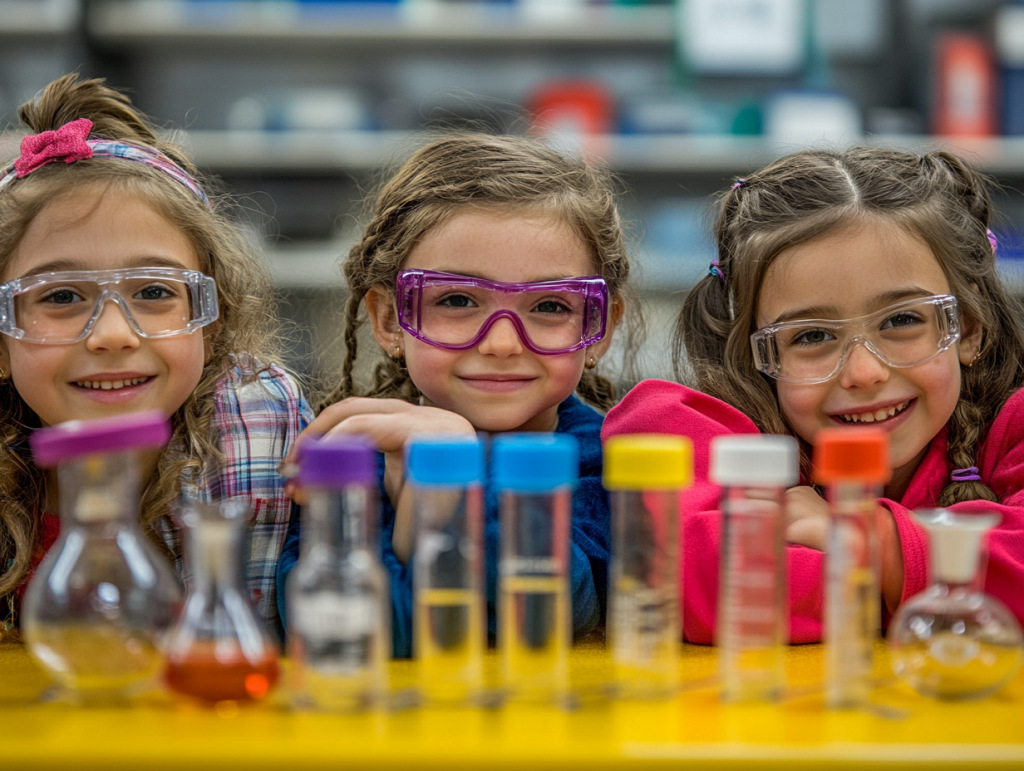
- Conduct real-life experiments and science projects to bring concepts to life.
- Integrate field trips, outdoor exploration, and museum visits into the curriculum.
3.2 Integrate Technology in Science Learning
- Use AI-driven learning platforms to provide personalized science education.
- Incorporate virtual and augmented reality for interactive lab experiences.
3.3 Foster Inquiry-Based Learning
- Encourage students to formulate their own questions and conduct experiments.
- Create science clubs and group projects for collaborative learning.
Resource: Smithsonian Science Education Center
4. The Future of Science Education
4.1 AI and Digital Learning Advancements
- AI-driven tools provide adaptive learning experiences tailored to student needs.
- Digital labs allow safe, repeatable scientific experimentation.
4.2 Expanding Science Accessibility
- Open-source science courses and research make STEM education available to everyone.
- Community-led science initiatives bring research opportunities to underrepresented groups.
4.3 Inspiring the Next Generation of Scientists
- Programs focusing on diversity in STEM help bridge the gap in scientific representation.
- Scholarships, mentorship programs, and global science challenges encourage engagement.
Resource: STEM Education Coalition
Final Thoughts
Science engagement is key to fostering curiosity, innovation, and problem-solving skills. By integrating interactive resources, technology, and hands-on learning experiences, students and educators can make science more dynamic and enjoyable.
With the right tools and strategies, anyone can become a lifelong learner and contributor to scientific progress.
Which science learning tools have helped you the most? Share your insights below!