Implementing Game-Based Learning (GBL) in educational settings offers numerous benefits, including increased student engagement and enhanced learning outcomes. However, educators and institutions often encounter several challenges during the adoption process. Below is an analysis of common obstacles and potential solutions to facilitate effective GBL integration.
1. Budget Constraints
Challenge: Limited financial resources can hinder the acquisition of necessary technology and software for GBL.
Solution: Explore cost-effective or free educational games and platforms. Additionally, consider developing low-cost, teacher-created games tailored to specific learning objectives. Collaborating with other schools or districts to share resources can also alleviate financial burdens.
2. Technological Barriers
Challenge: Inadequate infrastructure, such as outdated hardware or insufficient internet connectivity, can impede the implementation of GBL.
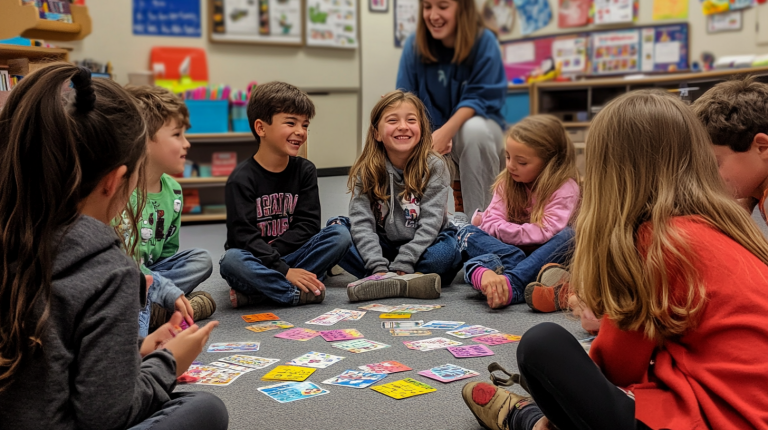
Solution: Conduct a thorough assessment of existing technological capabilities and identify areas needing improvement. Seek grants or partnerships to upgrade infrastructure. Implementing offline or low-tech game options can also be a practical alternative in resource-limited settings.
3. Teacher Training and Familiarity
Challenge: Educators may lack experience or confidence in integrating games into their teaching practices.
Solution: Provide professional development opportunities focused on GBL strategies and tools. Encourage a collaborative environment where teachers can share experiences and best practices. Ongoing support and mentorship can further assist educators in effectively utilizing GBL.
4. Alignment with Curriculum and Learning Objectives
Challenge: Ensuring that games align with educational standards and effectively meet learning goals can be challenging.
Solution: Carefully select or design games that directly correlate with curriculum objectives. Involve educators in the game development process to ensure content relevance and appropriateness. Regularly assess and adjust game-based activities to maintain alignment with learning outcomes.
5. Time Constraints
Challenge: Integrating GBL into an already packed academic schedule can be difficult.
Solution: Identify opportunities where GBL can complement or replace traditional teaching methods without adding extra time burdens. Utilize microlearning games that require minimal time investment while reinforcing key concepts.
6. Student Readiness and Accessibility
Challenge: Students have varying levels of familiarity with technology and gaming, which can affect their engagement and learning.
Solution: Assess students’ technological proficiency and provide necessary training or resources to ensure equitable access. Design games with varying difficulty levels to cater to diverse skill sets and learning paces.
By proactively addressing these challenges with thoughtful solutions, educators can successfully integrate Game-Based Learning into their classrooms, creating dynamic and effective educational experiences.