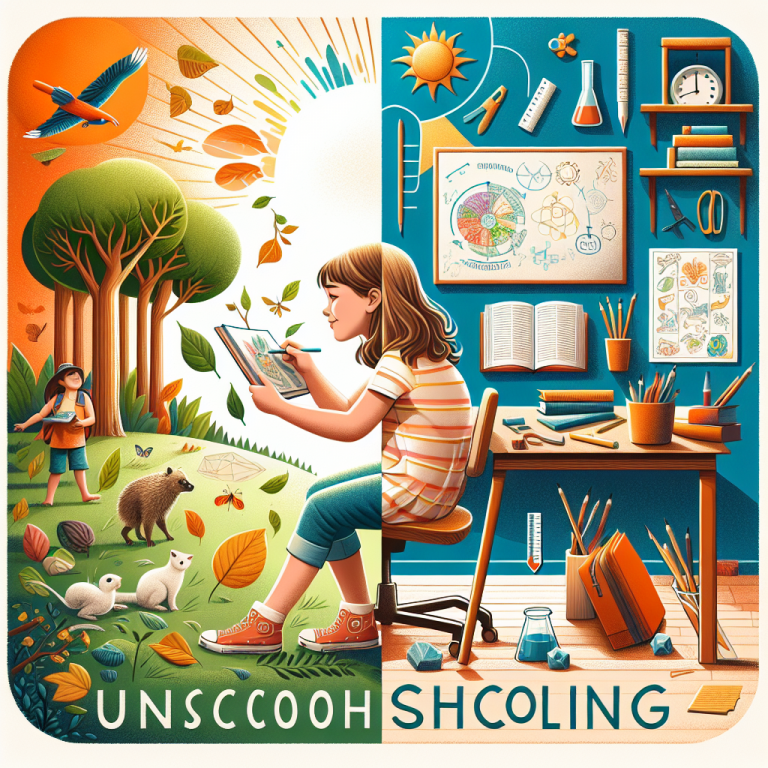
In today’s evolving digital economy, the line between formal education and marketing is becoming increasingly blurred. Enter the concept of deschooling—a radical educational philosophy that challenges traditional institutional learning—and its growing influence on how brands communicate, educate, and engage with modern consumers.
💡 What Is Deschooling?
Coined by educational reformer Ivan Illich in his 1971 book Deschooling Society, deschooling argues that institutionalized education restricts learning and promotes conformity. Instead, it champions self-directed, community-based, and experience-driven learning.
🔄 How Deschooling Is Influencing Marketing Today
Marketing is no longer just about pushing products. It’s about creating learning experiences. Consumers, especially Millennials and Gen Z, seek authenticity, purpose, and value-based education.
| Traditional Marketing | Deschooled Marketing |
|---|---|
| Top-down messaging | Peer-led knowledge sharing |
| Formal sales funnel | Exploratory and experiential journey |
| Product-centric education | Mission- and values-driven content |
| One-size-fits-all campaigns | Personalization & learner autonomy |
🎯 Why This Matters for Modern Brands
Deschooling in marketing reflects a cultural shift. Consumers:
- Don’t want to be “taught at”
- Prefer interactive content like webinars, challenges, and community forums
- Value peer recommendations and user-generated content over expert authority
- Expect brands to support continuous, lifelong learning
📚 Real-World Examples of Deschooling in Marketing
1. Duolingo
- Combines gamification, storytelling, and self-paced learning.
- Marketing focuses on fun, autonomy, and daily engagement.
- Website: https://www.duolingo.com
2. Skillshare
- Peer-taught courses, many by creators and entrepreneurs.
- Encourages hands-on, collaborative learning.
- Website: https://www.skillshare.com
3. Notion
- Educates users through community-driven templates and tutorials.
- Example of product-led growth + decentralized education.
- Website: https://www.notion.so
4. Patagonia
- Uses storytelling and environmental activism to “educate” consumers.
- Learning through advocacy, not curriculum.
- Website: https://www.patagonia.com
5. BADA Education (Your Blog)
- Offers self-guided educational blogs, free downloadable tools, and experiential resources.
- Blog link: https://thebabynmom.org
🧠 Key Marketing Strategies That Reflect Deschooling Values
| Strategy | Description |
|---|---|
| ✨ Microlearning | Short-form, value-packed content (Reels, TikToks, quizzes) |
| 🌱 Community-Led Education | User forums, creator-led workshops, live Q&A sessions |
| 🎯 Self-Directed Funnels | Choose-your-path email campaigns, modular courses |
| 🎨 Experiential Branding | Brand challenges, user-generated content, real-life activations |
| 📖 Story-Driven Learning | Using narrative structure to teach, inform, and inspire |
📈 SEO Tips for Your Blog Post
-
Use keywords like:
- deschooling marketing
- non-traditional education in marketing
- self-directed learning brands
- peer-led brand engagement
-
Add alt-text to images using SEO terms like:
"Deschooling-inspired brand strategy examples"
🔗 Related Posts to Link Internally
- 👉 Creative Ways to Teach Without a Classroom
- 👉 How AI Tools Empower Student-Led Learning
- 👉 Designing Interactive Learning Experiences for Kids
✅ Conclusion: Marketing as Decentralized Learning
Today’s most successful brands are those that teach without teaching, facilitate community exploration, and provide consumers with tools to learn on their own terms.
Deschooling isn’t just about education reform—it’s a call to rethink how marketing empowers people, builds trust, and creates long-term value.
🎓 Stay curious. Stay creative. Stay free.
Subscribe to BADA Education for more insights on marketing, education, and innovation.