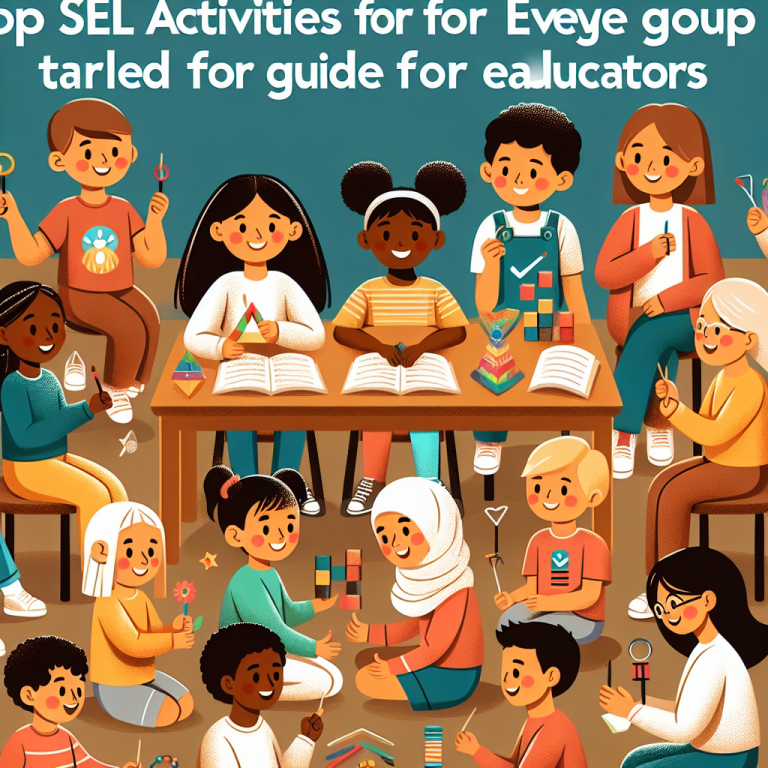
Involving Parents to Boost Kids’ SEL Development
Social and Emotional Learning (SEL) is a crucial component of a child’s development. It involves acquiring the skills necessary to understand and manage emotions, set positive goals, show empathy, maintain healthy relationships, and make responsible decisions. SEL cultivates skills that are essential for both academic success and personal growth.
Understanding the Nuances of SEL
At its core, SEL comprises several key elements:
- Self-awareness, which helps children understand their own emotions and values.
- Self-management, guiding them in controlling their behaviors and achieving goals.
- Social awareness, fostering empathy and understanding for others.
- Relationship skills, enabling positive interactions.
- Responsible decision-making, empowering choices that benefit themselves and others.
The impact of SEL is profound, aiding not only scholastic achievements but also enhancing overall well-being and success in life.
Empowering Parents in SEL Development
Parents play a pivotal role in nurturing their child's SEL abilities. By creating a supportive and open environment at home, parents can significantly contribute to their children’s emotional intelligence and social skills. Modeling emotional regulation and effective communication helps children learn through observation and practice. It's equally important to build and maintain strong communication channels to discuss feelings and experiences openly.
Effective Strategies for Involving Parents
To enhance SEL development, parents can adopt various strategies:
- Engaging in open and ongoing conversations that address feelings and emotions.
- Encouraging emotional expression and validation, allowing children to feel heard and understood.
- Collaborating with schools and educators to support a consistent approach to SEL both at home and in school.
Activities to Support SEL at Home
Implementing family activities that promote SEL skills can be both fun and effective. These activities could include games that require teamwork, problem-solving tasks, or simply discussing emotions experienced throughout the day. Books and media serve as excellent tools to introduce new concepts and perspectives aligned with SEL development. Additionally, reflective exercises, such as journaling or family discussions, can foster personal growth and emotional insight.
Navigating Challenges in Parental Involvement
Despite the benefits of parental involvement, there can be challenges. Time constraints and busy schedules often hinder parents from actively engaging in their child’s SEL development. Addressing these challenges involves finding creative solutions that fit into daily routines and adapting strategies to suit different age groups.
The Ripple Effect of Increased Parental Engagement
Boosting parental involvement in SEL does wonders not only for children but also for the family unit as a whole. It enhances the child’s emotional well-being, strengthens familial bonds, and leads to improvements in academic performance and behavior. Moreover, children with strong SEL skills tend to grow into well-adjusted adults who can contribute positively to society.
Encouragement for Parental Action
The role of parents in cultivating their child's social and emotional skills cannot be overstated. By actively participating in and reinforcing SEL at home, parents lay the groundwork for their children's future success, resilience, and happiness.
Helpful Resources for Parents
To support parents in this journey, a variety of resources are available. Books, websites, and educational tools offer insights and strategies for enhancing SEL. Additionally, joining support groups and engaging with community resources can provide valuable support and encouragement.
By taking an active role in their children's SEL development, parents not only enrich their lives but also contribute to a more empathetic and understanding world.