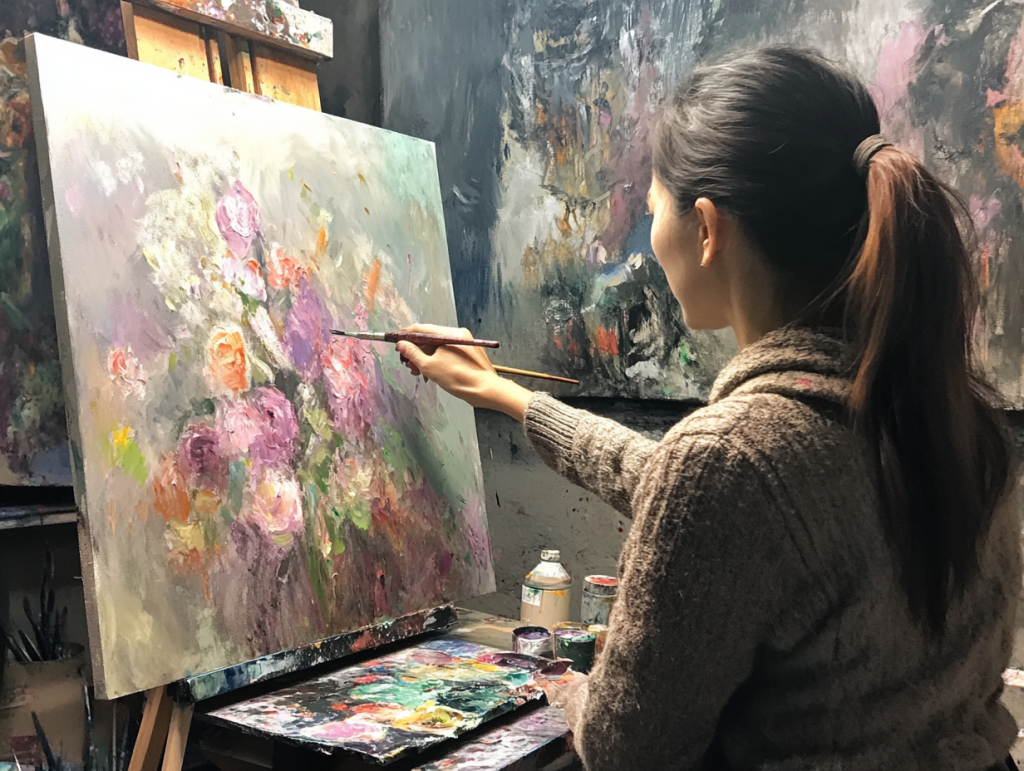
In this guide, we’ll explore how arts teachers are embracing technology to enhance remote learning, the best platforms for virtual art instruction, and strategies to maintain a dynamic and interactive classroom environment—no matter where students are learning from.
1. The Importance of Arts Education in Remote Learning
Arts education fosters creativity, self-expression, problem-solving, and emotional well-being. Despite the challenges of online learning, maintaining an arts curriculum is essential for students’ holistic development. Studies show that integrating art into online education helps improve critical thinking skills and increases student engagement.
🔹 Reference: National Endowment for the Arts
2. Tools & Platforms for Virtual Arts Instruction
Arts teachers have turned to a variety of online tools to deliver engaging lessons. Below are some of the most effective platforms for remote arts education:
| Tool | Best For | Website |
|---|---|---|
| Google Jamboard | Digital collaborative art projects | Google Jamboard |
| Canva for Education | Graphic design & creative assignments | Canva |
| Flip (formerly Flipgrid) | Video-based art critiques & presentations | Flip |
| Padlet | Visual collaboration & mood boards | Padlet |
| ArtSteps | Virtual 3D art galleries | ArtSteps |
| Sketchbook by Autodesk | Digital drawing & painting | Sketchbook |
These platforms enable teachers to foster creativity, encourage student interaction, and provide feedback on artistic progress in a virtual setting.
3. Engaging Students in Online Arts Education
To ensure students remain engaged and inspired while learning remotely, teachers can implement the following strategies:
🎨 Interactive Virtual Lessons
- Use live-streamed drawing or painting sessions with tools like Zoom or Microsoft Teams.
- Encourage students to showcase their work through virtual art galleries.
- Organize online critiques where students give and receive feedback on their creations.
🎭 Multidisciplinary Arts Integration
- Incorporate storytelling, theater, and music into art projects.
- Use digital animation tools like Toon Boom (Website) to teach students how to bring their artwork to life.
🖌️ Hands-On Projects with Digital Submission
- Assign home-based projects using mixed media and household items.
- Have students document their artistic process through time-lapse videos or photo slideshows.
🎭 Virtual Museum Visits & Art History Integration
- Utilize free virtual museum tours from institutions like the Louvre (Website) or MoMA (Website) to teach art history.
4. Overcoming Challenges in Remote Arts Education
While virtual arts instruction has many benefits, challenges remain. Below are common obstacles and strategies to overcome them:
| Challenge | Solution |
|---|---|
| Lack of access to art supplies | Provide a list of household alternatives for art projects |
| Limited student engagement | Use gamification techniques and interactive discussions |
| Difficulty assessing student work | Encourage students to submit progress photos or short videos |
| Digital fatigue | Balance screen-based activities with offline creative exercises |
By addressing these challenges, arts teachers can create a more effective and enjoyable learning experience for students.
5. Success Stories: How Teachers Are Innovating Remote Arts Education
Across the world, educators have found innovative ways to teach arts remotely. For example:
✅ A high school teacher in California used Google Jamboard to host live collaborative drawing sessions, where students could contribute to a shared digital canvas.
✅ An elementary art teacher in New York created a YouTube channel with guided art lessons to encourage students to explore new techniques at home.
✅ A middle school teacher in Texas integrated music into visual arts lessons by having students create album cover designs inspired by classical composers.
These creative approaches showcase the endless possibilities for engaging students in arts education, even in a virtual environment.
Conclusion
Arts teachers have successfully adapted to the challenges of remote learning, utilizing digital tools, interdisciplinary techniques, and interactive strategies to keep students engaged. By leveraging the right platforms and fostering a dynamic learning experience, educators can continue to nurture creativity, self-expression, and artistic growth in students—regardless of location.
📌 Looking for More Teaching Resources? Explore our collection of free education materials at BADA Education