
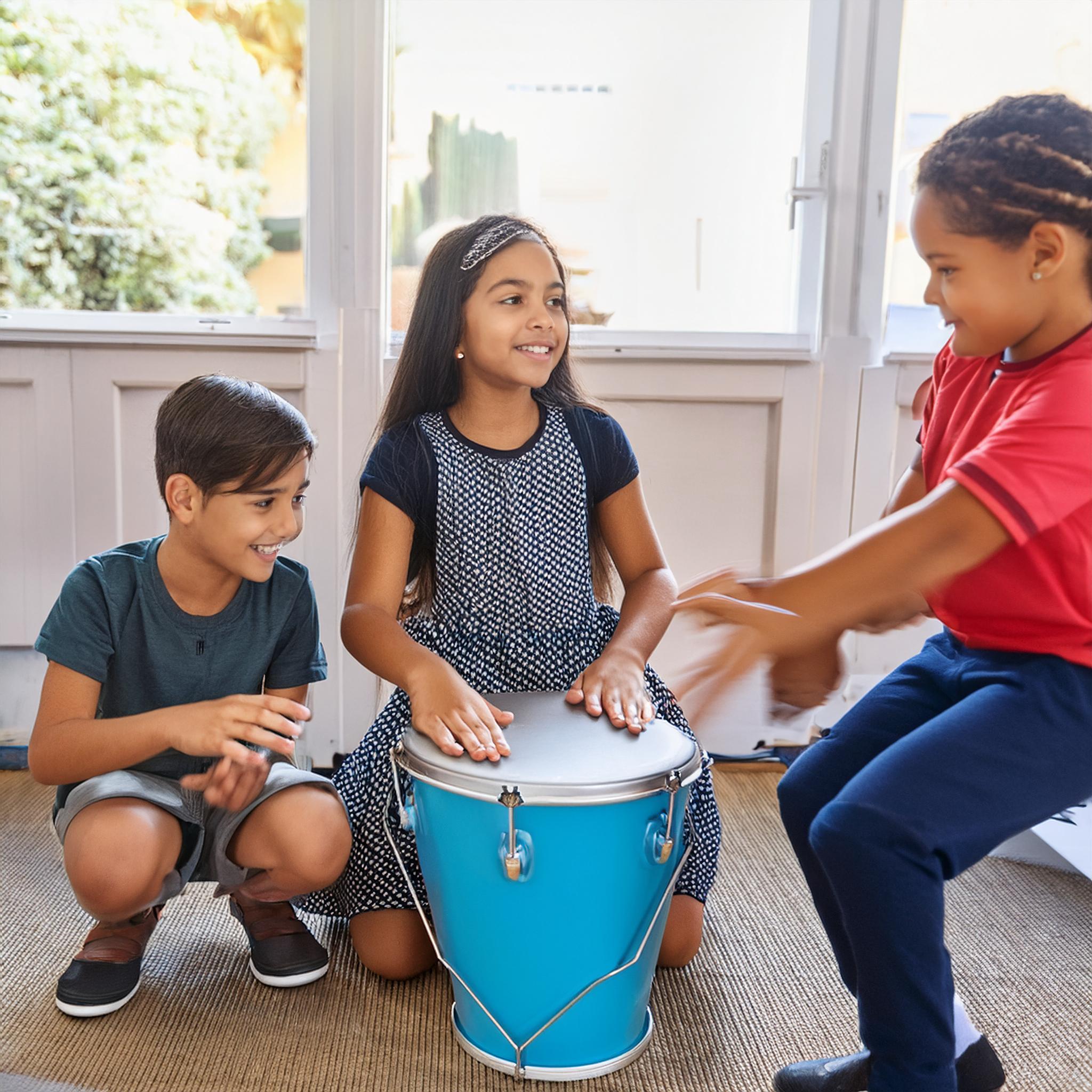
Music is an essential part of childhood development, enhancing creativity, coordination, and rhythm skills. One of the most engaging and accessible ways to introduce young learners to music is through bucket drumming. This fun, cost-effective activity helps children develop musical abilities while fostering teamwork and self-expression.
Why Bucket Drumming is a Great Choice for Kids
Bucket drumming offers numerous benefits for elementary students:
- Affordable and Accessible: Requires only plastic buckets and drumsticks (or household items like wooden spoons).
- Develops Rhythm and Coordination: Encourages children to understand musical timing and beats.
- Encourages Creativity: Allows students to experiment with sounds and create their own rhythms.
- Fosters Teamwork: Helps build group collaboration skills in ensemble drumming sessions.
- Physical Activity: Engages students in movement, improving motor skills and focus.
Getting Started with Bucket Drumming
1. Gather the Right Materials
You don’t need expensive instruments to begin bucket drumming. Here’s what you need:
- Buckets: 5-gallon plastic buckets work best, but any sturdy container will do.
- Drumsticks: Wooden drumsticks, rubber mallets, or even chopsticks can be used.
- Playing Surface: The bucket’s top, rim, and side produce different sounds, adding variety.
- Optional Accessories: Cushions or mats to stabilize the buckets and ear protection for sensitive ears.
Resource: Remo – Bucket Drumming Basics
2. Teach Basic Drumming Techniques
Introduce students to these essential drumming techniques:
- Center Hits: Produces a deep, bass-like sound.
- Rim Hits: Creates a sharp, snare-drum effect.
- Side Taps: Adds percussive accents for more complex rhythms.
- Alternating Hands: Encourages coordination by using both hands in patterns.
Tip: Start with simple exercises like playing quarter notes (steady beats) before progressing to more complex rhythms.
Resource: Vic Firth – Beginner Drumming Lessons
3. Teach Rhythm Patterns with Call-and-Response Games
Call-and-response is an interactive method to engage students in drumming:
- The teacher plays a short rhythm sequence.
- Students listen and repeat the pattern.
- Gradually increase complexity as students gain confidence.
This approach improves listening skills, memory, and musical timing.
Resource: Rhythm Play – Interactive Drumming
4. Incorporate Music and Songs
Make bucket drumming even more fun by drumming along with familiar songs:
- Play simple beats while listening to songs.
- Assign different rhythms to different sections of a song (e.g., slow beat for verses, faster beat for choruses).
- Allow students to create their own beats to accompany favorite tunes.
Great beginner songs include:
- “We Will Rock You” – Queen (simple stomp-clap rhythm)
- “Seven Nation Army” – The White Stripes (steady bass pattern)
- “Happy” – Pharrell Williams (energetic groove)
Resource: Drumeo Kids – Fun Drumming Exercises
5. Create a Drumming Performance
Once students master basic rhythms, encourage them to put on a performance! Steps to organize a bucket drumming showcase:
- Have students work in small groups to create unique rhythms.
- Choreograph movements or incorporate body percussion for added excitement.
- Record or livestream the performance for parents and school communities.
This fosters confidence, teamwork, and a sense of achievement in young learners.
6. Connect Bucket Drumming with Other Subjects
Music can be integrated with various school subjects:
- Math: Teaches fractions and patterns through rhythmic beats.
- Science: Explores sound vibrations and acoustics.
- History: Introduces students to percussion traditions from different cultures.
Connecting drumming to broader lessons makes learning more engaging and meaningful.
Resource: Smithsonian Folkways – Music Education
Related Educational Resources
For more ways to integrate music into education, visit:
- BADA Education – Alternative Learning Strategies
- Percussive Arts Society – Drumming Education
- National Association for Music Education
Final Thoughts
Bucket drumming is an exciting and engaging way to introduce music to elementary students. It is budget-friendly, promotes creativity, and fosters a lifelong appreciation for rhythm and teamwork. Whether used in classrooms, homeschool settings, or after-school programs, bucket drumming is a dynamic tool for musical exploration.