
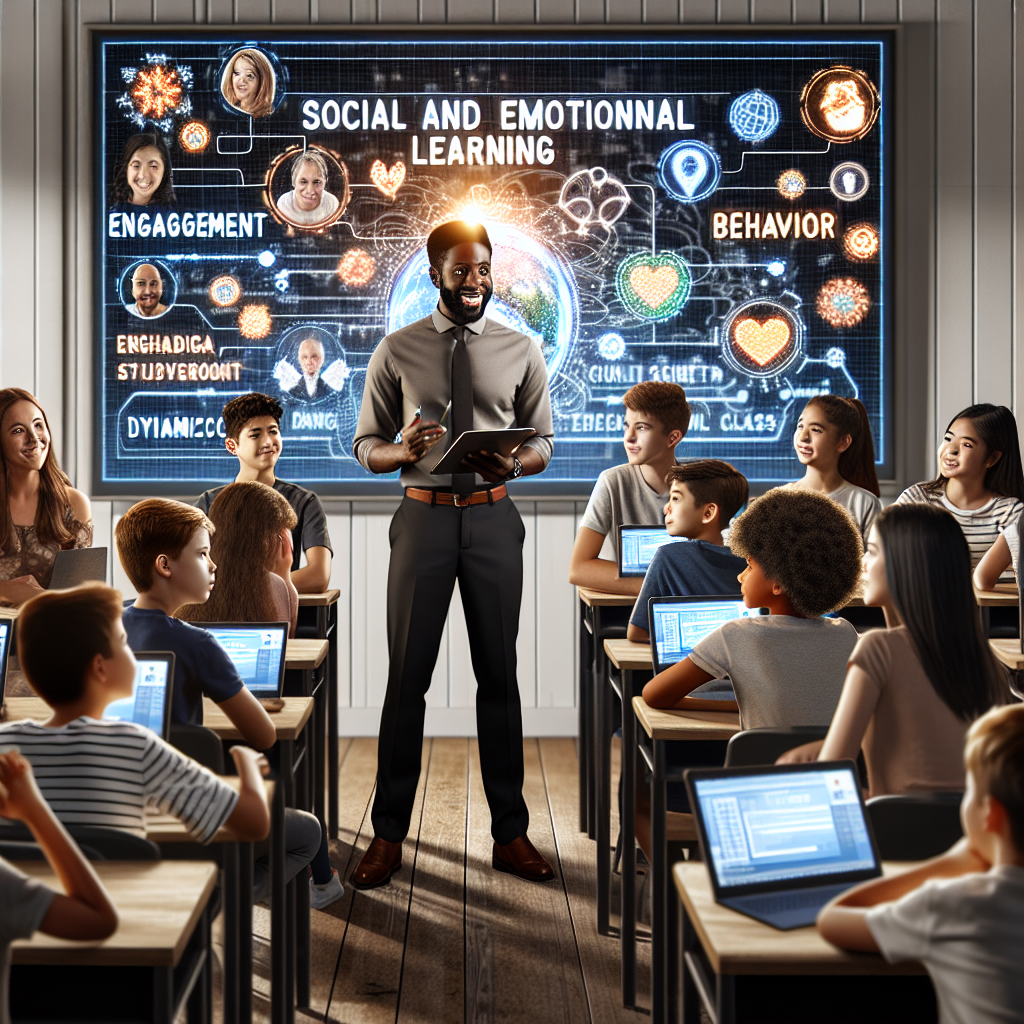
How Can SEL Improve Classroom Behavior and Student Engagement?
In today's educational landscape, Social and Emotional Learning (SEL) has become an integral aspect of fostering a well-rounded education. With increasing emphasis on not just academic success but also the emotional and social well-being of students, SEL presents itself as an invaluable tool. SEL isn't just a supplementary program; it fundamentally enhances learning environments, transforming how students engage and behave in classroom settings.
A Deeper Dive into Social and Emotional Learning
Social and Emotional Learning is a developmental framework through which students and adults alike acquire and apply the knowledge, skills, and attitudes necessary to develop healthy identities, manage emotions, and achieve personal and collective goals.
Key components of SEL include:
- Self-awareness: The ability to understand one's own emotions, strengths, and limitations.
- Self-management: Skills related to regulating one's emotions, thoughts, and behaviors.
- Social awareness: The capacity to empathize and understand others, including those from diverse backgrounds.
- Relationship skills: The abilities to establish and maintain healthy and rewarding relationships.
- Responsible decision-making: Making ethical, constructive choices about personal and social behavior.
Influencing Classroom Behavior through SEL
One of the most profound impacts of SEL is its ability to promote positive behaviors in the classroom. Students who engage with SEL learn to regulate their emotions effectively, leading to a reduction in behavioral issues. Additionally, SEL practices encourage students to resolve conflicts amicably, listen to others, and contribute to a collaborative environment. This focus on emotional regulation fosters an atmosphere where students feel more comfortable and secure, directly impacting their classroom behavior positively.
Boosting Student Engagement with SEL
An essential element of effective teaching is creating a classroom atmosphere where students feel a sense of belonging. SEL plays a pivotal role in building such environments by cultivating a supportive and inclusive classroom. As students become more adept at understanding their emotions and those of their peers, they are likely to experience increased motivation and interest in learning. Furthermore, SEL encourages collaboration and communication, crucial skills in connecting students with each other and the material they are learning.
Strategies for Successful SEL Implementation
To harness the full potential of SEL, educators must seamlessly integrate SEL into the curriculum. This can be achieved through dedicated SEL activities or by embedding SEL principles within everyday lessons. Teacher training and professional development are also crucial, ensuring that educators are equipped with the skills to facilitate SEL-driven classrooms.
Practical strategies, such as using role-playing exercises, group discussions, and reflective journaling, can significantly promote SEL’s core themes. It’s these daily interactions and practices that cumulatively build a robust framework for students’ emotional and social growth.
Addressing Challenges in SEL Integration
While the benefits of SEL are clear, its implementation does come with challenges. One of the primary concerns is addressing the diverse needs of students. Not all students respond to SEL in the same way, and educators must be adept at customizing approaches to suit varied learning styles and emotional needs. Additionally, balancing SEL objectives with academic goals requires a careful and strategic approach.
Furthermore, assessing the effectiveness of SEL programs is imperative. While qualitative observations are crucial, quantitative measures should also be used to evaluate SEL's impact on student behavior and engagement comprehensively.
Empowering Educators and the Future of SEL
Educators and policymakers have a vital role in recognizing and validating the power of SEL to transform educational experiences. As the benefits of SEL in improving behavior and engagement become increasingly evident, there is a clarion call to action for holistic integration into education systems.
Significant strides in SEL research and practice encourage optimism about its future implications. As more schools adopt SEL frameworks, the educational landscape will likely witness profound shifts towards more nurturing, inclusive, and effective learning environments.
Additional Resources
For those interested in diving deeper into SEL, here are some valuable resources:
- Collaborative for Academic, Social, and Emotional Learning (CASEL) – CASEL: Offers extensive research, reports, and resources on SEL implementation.
- Edutopia's SEL Segment – Edutopia: Features articles and videos on practical SEL strategies in classrooms.
- The Center on the Social and Emotional Foundations for Early Learning (CSEFEL) – CSEFEL: Provides resources focusing on promoting social-emotional development and school readiness.
These resources offer insights and tools for educators and stakeholders committed to embedding SEL in educational environments.