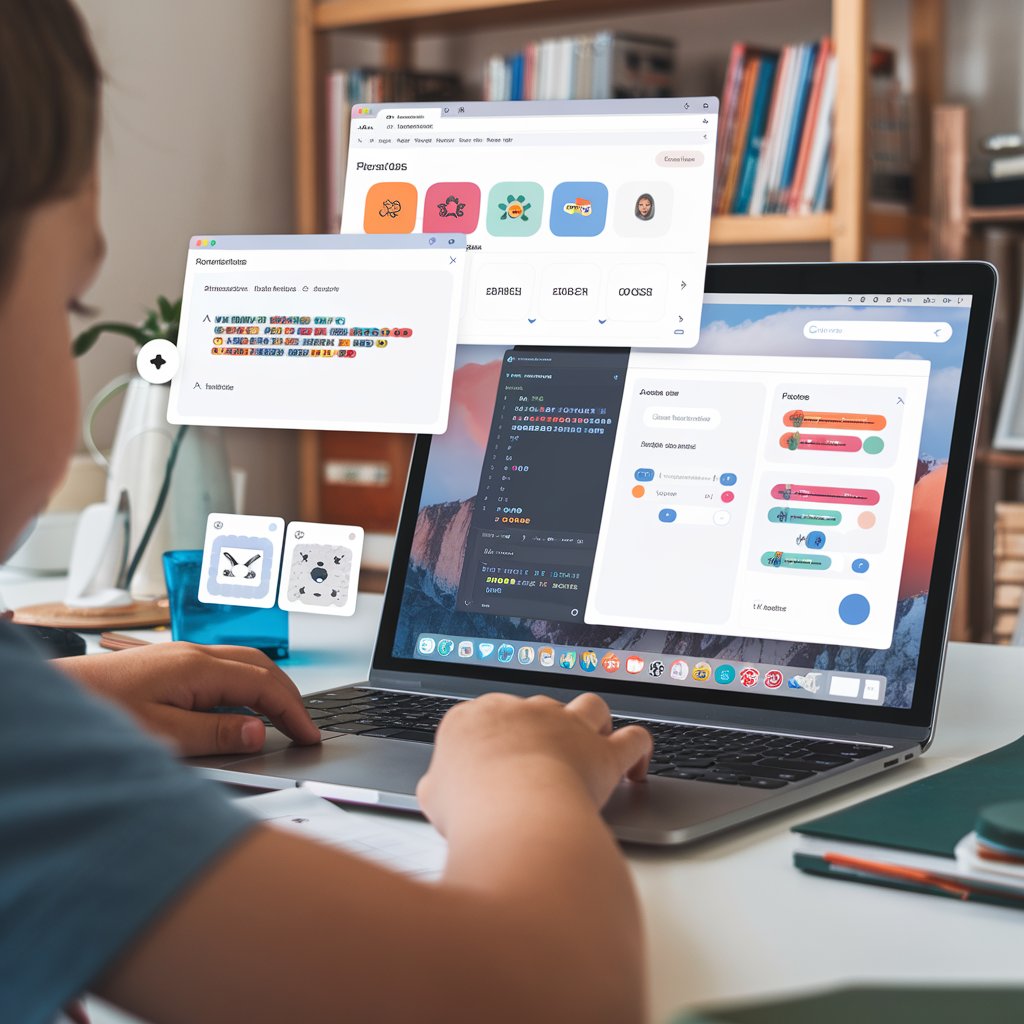
As technology becomes an integral part of education, helping kids build a coding portfolio is an excellent way to document their progress, showcase their skills, and prepare them for future opportunities. Whether they are applying for coding competitions, scholarships, or simply want to track their programming journey, a well-structured coding portfolio is essential.
In this guide, we’ll walk you through why kids need a coding portfolio, what to include, and the best platforms to create one.
📌 Related Article on BADA Education: Showcasing Kids’ Coding Projects
Why Kids Need a Coding Portfolio
🖥️ Demonstrates Growth: A portfolio helps kids track their progress over time.
🏆 Boosts Confidence: Showcasing projects makes kids feel proud of their achievements.
📜 Prepares for Competitions & Scholarships: Coding competitions and academic programs often require portfolios.
💼 Builds a Resume for Future Careers: Early exposure to portfolio-building teaches valuable skills.
📌 Recommended Platform: Scratch – Perfect for Young Coders
Step 1: Choose the Right Platform for the Portfolio
The platform choice depends on the child’s age, skill level, and coding projects. Here are some great options:
Beginner-Friendly Platforms (Ages 6-12)
✅ Scratch – Ideal for block-based coding projects.
✅ Tynker – Great for game-based coding projects.
✅ Code.org – Offers free student project storage.
Intermediate to Advanced Platforms (Ages 10+)
✅ Replit – Best for Python, JavaScript, and collaborative projects.
✅ GitHub – Suitable for older kids learning real-world programming.
✅ Glitch – Great for creating and hosting simple web projects.
📌 Related BADA Education Article: Top 10 Free Coding Platforms for Teachers
Step 2: Decide What to Include in the Portfolio
A strong coding portfolio should include the following elements:
1. Personal Introduction & Coding Interests
📝 What to Include:
✔️ A short bio about their coding journey.
✔️ What programming languages they are learning.
✔️ Their favorite projects and why they enjoyed them.
📌 Example: “Hi, I’m Alex! I love coding because it allows me to build my own games and solve fun problems. I have been using Scratch and Python to create interactive stories and simple AI projects.”
2. Collection of Coding Projects
📌 Best Ways to Showcase Projects:
🎮 Scratch Portfolio: Upload animations and interactive stories.
🌍 Website Portfolio: Use Glitch or GitHub Pages to host a simple website.
🖥️ Video Demos: Record screen-sharing videos explaining their projects.
🔗 Example Portfolio: Replit – Code Hosting & Sharing
3. Screenshots & Code Samples
📌 Why It Matters?
✅ Helps recruiters, teachers, or future employers understand coding skills.
✅ Provides clear documentation of the child’s progress.
📌 Tip: Add GitHub Repositories or Google Docs links with code snippets.
4. Certificates & Achievements
🏆 Where to Get Certificates?
✔️ CS First by Google – Free beginner-friendly coding lessons.
✔️ Harvard’s CS50x – A free Harvard coding course.
✔️ Code.org – Offers certificates for completed courses.
5. Participation in Coding Competitions
📌 Best Competitions for Kids:
🏅 Google Code-in
🏅 Coolest Projects
🏅 CS First Coding Challenges
📌 Related BADA Education Article: Teaching Kids to Debug Their Code
Step 3: Keep the Portfolio Updated & Share It
💡 Tips to Keep a Portfolio Updated:
✅ Encourage kids to add new projects every few months.
✅ If using GitHub, ensure repositories are well-documented.
✅ Share portfolio links on LinkedIn (for older kids) or school newsletters.
📌 Where to Share?
✔️ Personal Website or Blog – Create one using Wix, WordPress, or Google Sites.
✔️ Social Media – Post project updates on Twitter or Facebook groups.
✔️ Educational Portfolios – Use Google Drive or Notion to store coding work.
📌 Free Website Builders for Kids:
✅ Wix
✅ WordPress.com
✅ Google Sites
Conclusion
Helping kids build a coding portfolio is one of the best ways to showcase their skills and inspire future learning. Whether they use Scratch, Replit, or GitHub, a well-maintained portfolio will serve as a great tool for learning, confidence-building, and future academic or career opportunities.
🚀 Want More? Get free coding resources at BADA Education!