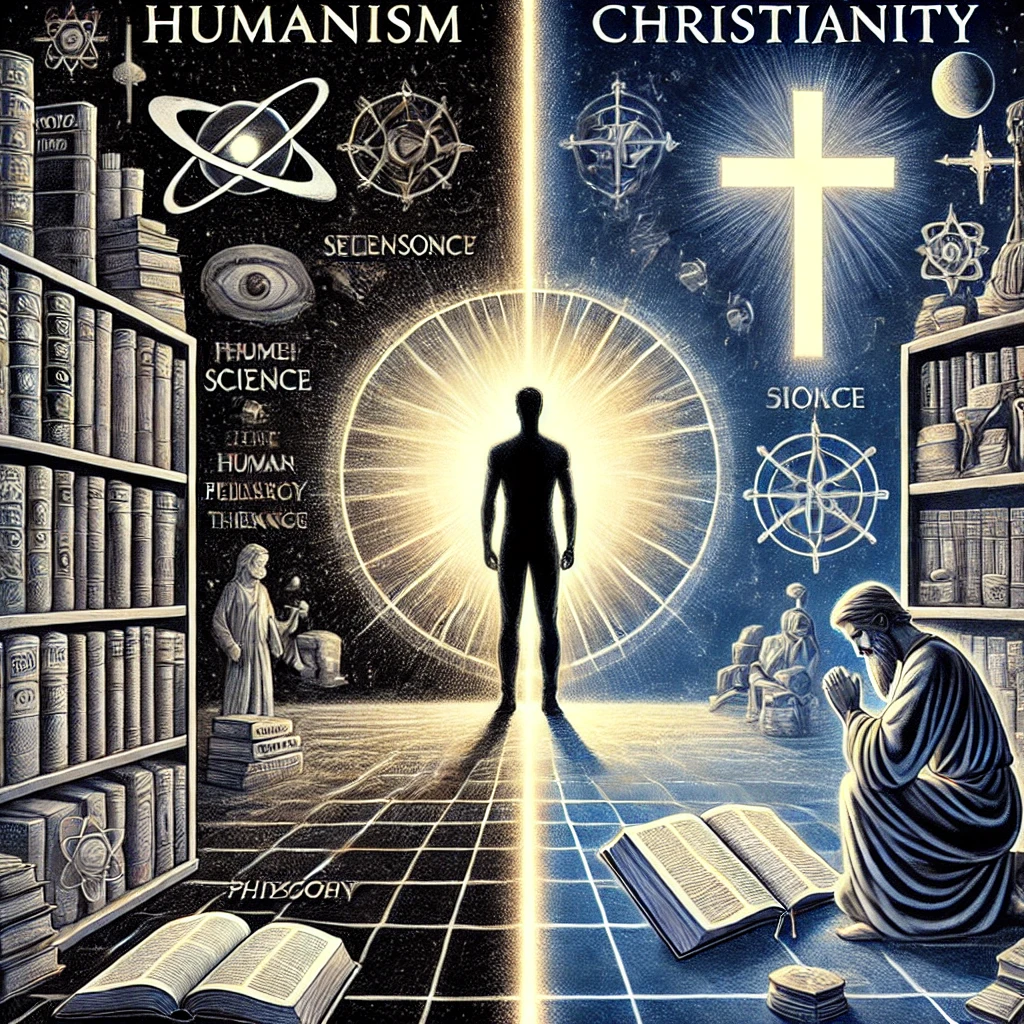
In today’s world, humanism and Christianity are two competing worldviews shaping culture, morality, and personal beliefs. While humanism emphasizes human reason, self-determination, and moral relativism, Christianity is rooted in divine revelation, absolute truth, and faith in Jesus Christ. As Christians navigate a world heavily influenced by secular humanism, understanding these differences is crucial for spiritual discernment and biblical faithfulness.
This article explores the core beliefs of humanism and Christianity, why distinguishing between them is important, and how believers can stand firm in biblical truth.
Defining Humanism and Christianity
What is Humanism?
Humanism is a worldview that places human beings at the center of moral and philosophical decision-making. It promotes human reason, ethics, and self-determination, often rejecting divine authority.
Core Principles of Humanism:
- Moral Relativism – No absolute right or wrong; ethics are based on human experience.
- Human Autonomy – Individuals define their own purpose and moral compass.
- Rejection of the Supernatural – Often denies the existence of God and divine intervention.
- Focus on Human Potential – Elevates human reason, progress, and self-fulfillment.
- Social Justice and Progress – Prioritizes human rights, equity, and societal advancement based on secular principles.
Resource: American Humanist Association – What is Humanism?
What is Christianity?
Christianity is a faith centered on Jesus Christ as the Son of God, salvation through His sacrifice, and the Bible as the ultimate authority.
Core Principles of Christianity:
- God’s Sovereignty – God is the Creator and sustainer of all things (Colossians 1:16-17).
- Biblical Truth – Morality is based on God’s unchanging Word (2 Timothy 3:16-17).
- Salvation Through Christ – Eternal life is given through faith in Jesus (John 14:6).
- Humility and Submission – Life’s purpose is to glorify God, not oneself (Proverbs 3:5-6).
- Love and Service – Believers are called to serve others with Christlike love (Mark 12:30-31).
Resource: Got Questions – What is Christianity?
Why It’s Important to Distinguish Between Humanism and Christianity
1. Humanism Undermines Biblical Authority
- Humanism teaches that morality is subjective, whereas Christianity upholds absolute moral truth based on God’s Word.
- The Bible warns against following human wisdom over God’s commandments (Colossians 2:8).
2. Humanism Glorifies Self, Christianity Glorifies God
- Humanism places human achievement and autonomy above divine authority.
- Christianity teaches that true fulfillment comes from humility and submission to God’s will (James 4:10).
3. Salvation: Self-Reliance vs. Grace
- Humanism promotes the idea that humanity can solve its own problems.
- Christianity teaches that only through Christ can we be saved (Ephesians 2:8-9).
4. Eternal Perspective
- Humanism focuses on earthly progress and temporal happiness.
- Christianity prioritizes eternal life and spiritual transformation (Matthew 6:33).
Comparison Chart: Humanism vs. Christianity
| Aspect | Humanism | Christianity |
|---|---|---|
| Source of Truth | Human reason and experience | The Bible and divine revelation |
| Moral Foundation | Relative ethics based on society | Absolute morality defined by God |
| Purpose of Life | Personal fulfillment and societal progress | To glorify God and serve His Kingdom |
| View of Humanity | Humans are inherently good and capable | Humans are sinful and need salvation |
| View of God | Often denies or reinterprets God’s existence | Believes in a sovereign, personal God |
| Salvation | Achieved through human efforts and self-improvement | A gift from God through Jesus Christ |
| Eternal Perspective | Focused on the present world and its advancements | Focused on eternity with God in Heaven |
Resource: Answers in Genesis – Humanism vs. Christianity
How Christians Can Guard Against Humanist Influences
1. Study the Bible and Strengthen Your Faith
- Regularly read and meditate on God’s Word (Psalm 119:105).
- Equip yourself with biblical knowledge to counter false teachings (Acts 17:11).
2. Develop a Biblical Worldview
- Take courses in Christian apologetics and worldview studies.
- Teach children and youth how to discern secular influences.
3. Engage with Culture, But With Discernment
- Be aware of humanist messages in media, education, and entertainment.
- Test all things against Scripture (1 Thessalonians 5:21-22).
4. Join a Strong Christian Community
- Surround yourself with like-minded believers for accountability.
- Participate in Bible studies and church discipleship programs.
5. Pray for Wisdom and Spiritual Discernment
- Ask God for guidance in recognizing and resisting humanist influences (James 1:5).
- Pray for boldness to stand firm in your faith (Ephesians 6:10-11).
Resource: BADA EDUCATION – Christian Worldview & Apologetics
Related Resources
For further study on humanism vs. Christianity, visit:
- BADA EDUCATION – Biblical Worldview Studies
- Answers in Genesis – Humanism’s Impact on Christianity
- Christian Apologetics & Research Ministry
Final Thoughts
Understanding the differences between humanism and Christianity is vital for maintaining a biblical worldview. By staying rooted in Scripture, engaging culture with wisdom, and deepening our faith in Christ, we can confidently stand against secular influences and uphold God’s truth in an ever-changing world.