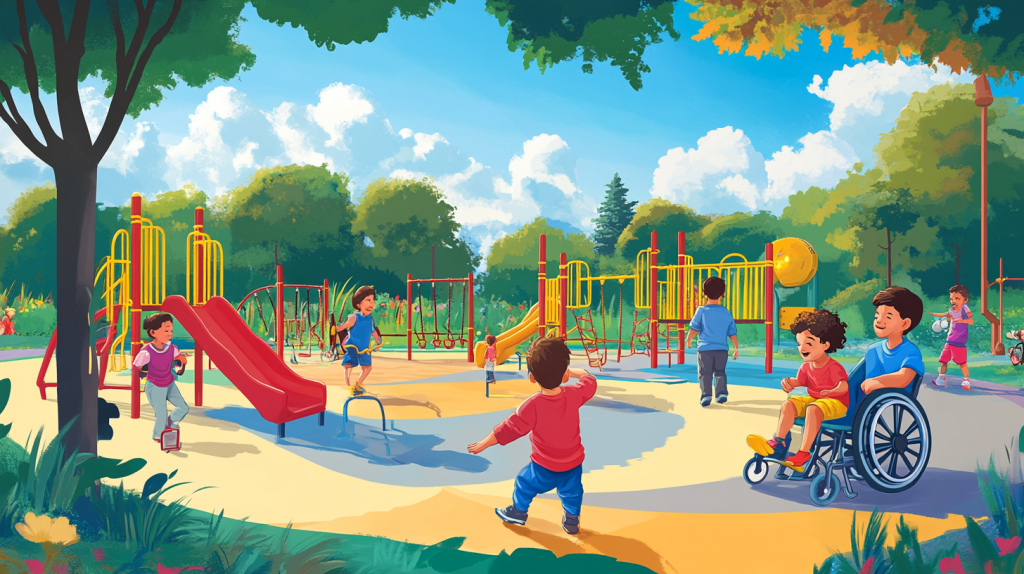
Recess is more than a break—it’s a vital part of a child’s development. But for many students with disabilities or diverse needs, recess can become a time of isolation rather than inclusion. This blog explores how educators, administrators, and parents can work together to create inclusive playgrounds and play environments that support social-emotional learning, physical activity, and peer connection for all children.
📌 Internal Blog Link:
https://thebabynmom.org/inclusive-play-ensuring-recess-is-accessible-for-all-students/
🧠 Why Inclusive Recess Matters
Recess builds physical strength, social skills, creativity, and emotional regulation. For children with disabilities, the benefits are just as important—but only if they are included meaningfully.
“Inclusive recess ensures all children can enjoy the full developmental benefits of play.” — National Association for the Education of Young Children (NAEYC)
♿ Common Barriers to Inclusive Play
| Barrier Type | Examples | Impact on Students |
|---|---|---|
| Physical barriers | Stairs, uneven ground, inaccessible equipment | Limits mobility and independence |
| Social barriers | Lack of peer understanding or exclusion | Reduces self-esteem, increases isolation |
| Sensory overload | Loud sounds, bright lights, unstructured chaos | Overwhelming for students with sensory sensitivities |
| Lack of adult training | Staff unprepared to support diverse needs | Missed opportunities for inclusive interaction |
🛠️ 5 Strategies to Make Recess Inclusive
1. Install Accessible Playground Equipment
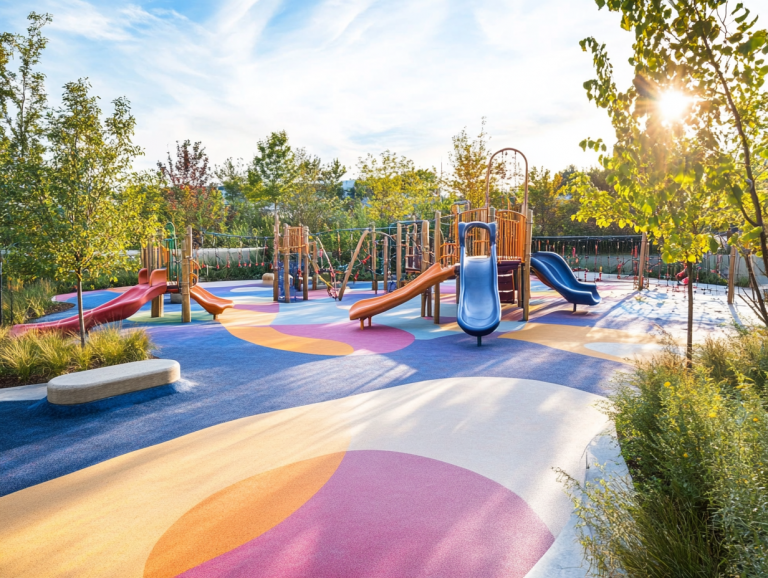
- Add ramps, sensory panels, wheelchair-accessible swings, and wide pathways.
- Example: Landscape Structures Inclusive Playgrounds
2. Designate Peer Buddy Systems
- Pair students to promote social inclusion and cooperation.
- Learn more: Best Buddies International
3. Provide Quiet Zones
- Create shaded or quiet areas for students who may become overwhelmed during play.
- Great for students with autism or sensory processing challenges.
4. Train Playground Staff
- Educators and aides need training in supporting children with IEPs or physical limitations.
- Free resource: Inclusive Schooling
5. Offer Structured Games with Adaptations
- Inclusive games like modified tag, parachute play, or bean bag toss encourage engagement across ability levels.
🌍 Examples of Inclusive Play in Action
- Shane’s Inspiration: Builds inclusive playgrounds around the world.
https://inclusionmatters.org/ - Boundless Playgrounds: Designs equipment for kids of all abilities.
https://www.playcore.com/inclusive-play - Chicago Public Schools: Inclusive recess policies and buddy programs integrated into many campuses.
📊 Quick Comparison: Traditional vs. Inclusive Recess
| Feature | Traditional Recess | Inclusive Recess |
|---|---|---|
| Equipment Accessibility | Limited for mobility needs | Universal design |
| Peer Social Opportunities | Often unstructured | Peer support & buddy systems |
| Adult Involvement | Minimal supervision | Active facilitation |
| Emotional Safety | Often overlooked | Sensory zones, conflict resolution training |
✅ Benefits of Inclusive Recess
- Boosts confidence and belonging for children with disabilities.
- Encourages empathy and collaboration among all students.
- Enhances social-emotional learning (SEL).
- Strengthens school community and promotes equity.
📣 Promoting Inclusive Play as a School Strength
Administrators can highlight their commitment to equity and accessibility by showcasing inclusive playground improvements in newsletters, open house events, or marketing materials. This approach resonates with families looking for schools that embrace diversity and inclusion.
📌 Conclusion
Recess should never be a source of exclusion. By rethinking playgrounds, training staff, and fostering empathy among peers, we can ensure that every child is included—regardless of their physical, cognitive, or sensory differences.
🔗 For more articles like this, visit: https://thebabynmom.org