
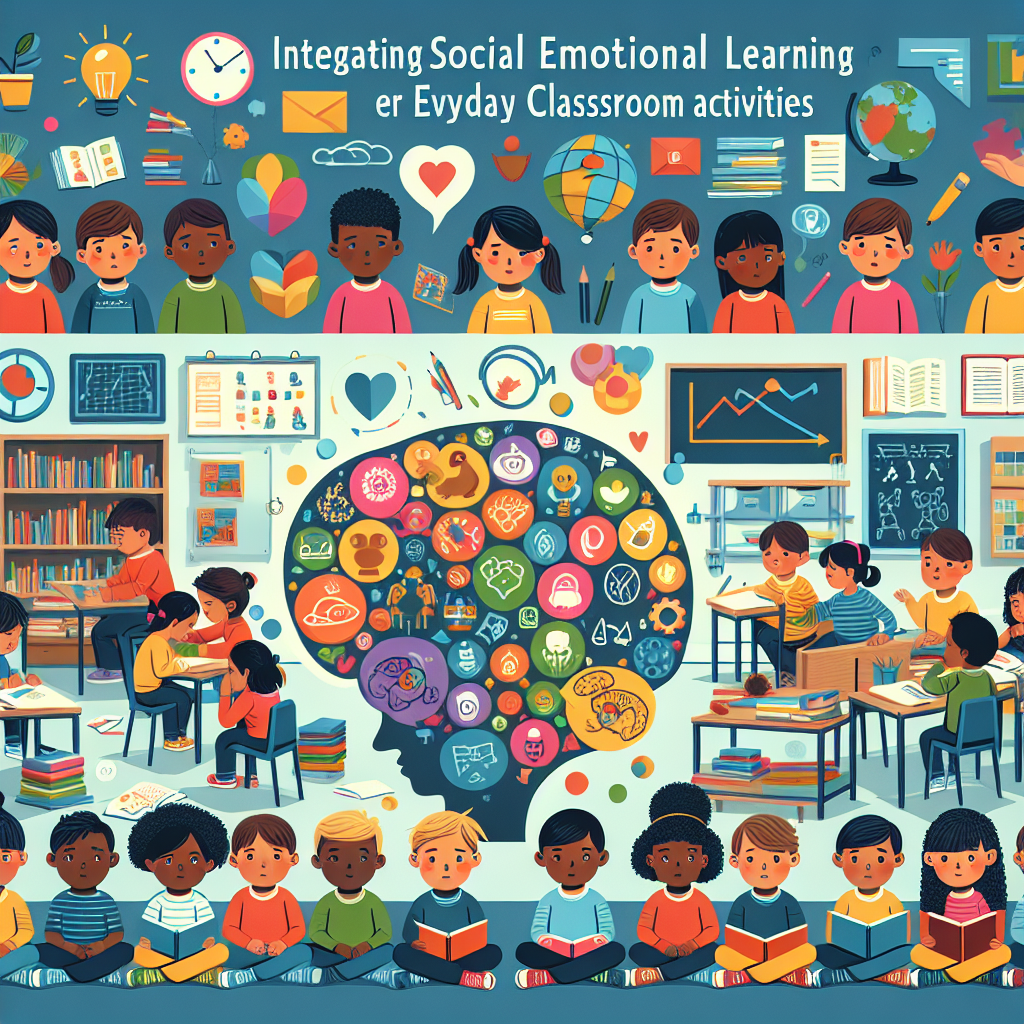
How Can Teachers Incorporate SEL in Daily Lessons?
Social Emotional Learning (SEL) is a critical element of modern education, focusing on developing students’ ability to understand and manage emotions, set and achieve positive goals, feel and show empathy, establish and maintain relationships, and make responsible decisions. The need to integrate SEL into daily lessons is paramount, as it not only enhances academic performance but also fosters a well-rounded development of students. This holistic approach equips students with the necessary life skills to thrive both inside and outside the classroom.
The Core Competencies of SEL
Understanding the primary components of SEL is essential for effective integration:
- Self-Awareness: Encourages students to recognize their emotions and the impact it has on others.
- Self-Management: Focuses on developing skills for self-regulation and discipline.
- Social Awareness: Involves teaching students to appreciate diversity and empathize with others.
- Relationship Skills: Supports the ability to establish and maintain healthy connections.
- Responsible Decision-Making: Involves making choices that are ethical and constructive.
Strategies for Daily Integration
Creating a Supportive Classroom Environment is crucial. Teachers can establish a space where mutual respect and understanding are valued by setting clear classroom norms and fostering a strong sense of community. This foundation allows students to feel safe and supported, promoting openness and collaboration.
Integrating SEL into the Academic Curriculum is another vital strategy. By connecting SEL lessons to subjects like literature, teachers can use stories and characters to teach students about empathy and various perspectives. Incorporating SEL concepts into assignments and discussions makes learning more relevant and impactful.
Incorporating Routine SEL Activities
Routine activities, like circle time or morning meetings, provide an excellent opportunity for students to share experiences and reflect on their emotions. These sessions encourage bonding and open communication. Reflection and sharing sessions after activities allow students to internalize what they've learned and express their thoughts and feelings, further cementing SEL learning.
Essential SEL Techniques and Practices
Introducing mindfulness and breathing exercises helps students with focus and stress management. Role-playing and simulations offer practical experiences that build empathy and problem-solving skills. Collaborative learning projects teach students about teamwork and managing different viewpoints, enhancing their social and emotional adaptability.
Measuring and Assessing SEL Progress
Assessing SEL involves more than just tests. Teachers can employ observational assessments by noting students' reactions and interactions. Additionally, encouraging student self-reports and reflections can provide insights into personal growth. Peer and educator feedback further contributes to understanding each student's development.
Overcoming Challenges
Incorporating SEL is not without challenges. Time constraints often make it difficult to balance SEL and academic goals. However, by integrating SEL seamlessly into existing lessons, teachers can address both simultaneously. Understanding diverse student needs requires tailored approaches to ensure every learner benefits. Providing comprehensive support and training for educators is also critical, equipping them with resources and confidence.
By recognizing the profound importance and benefits of SEL, teachers are encouraged to start incorporating these practices. This commitment not only enhances students' academic performance but also prepares them for a balanced and successful life. As educators weave SEL into everyday learning, they create more holistic educational environments that nurture both the mind and heart of each student.