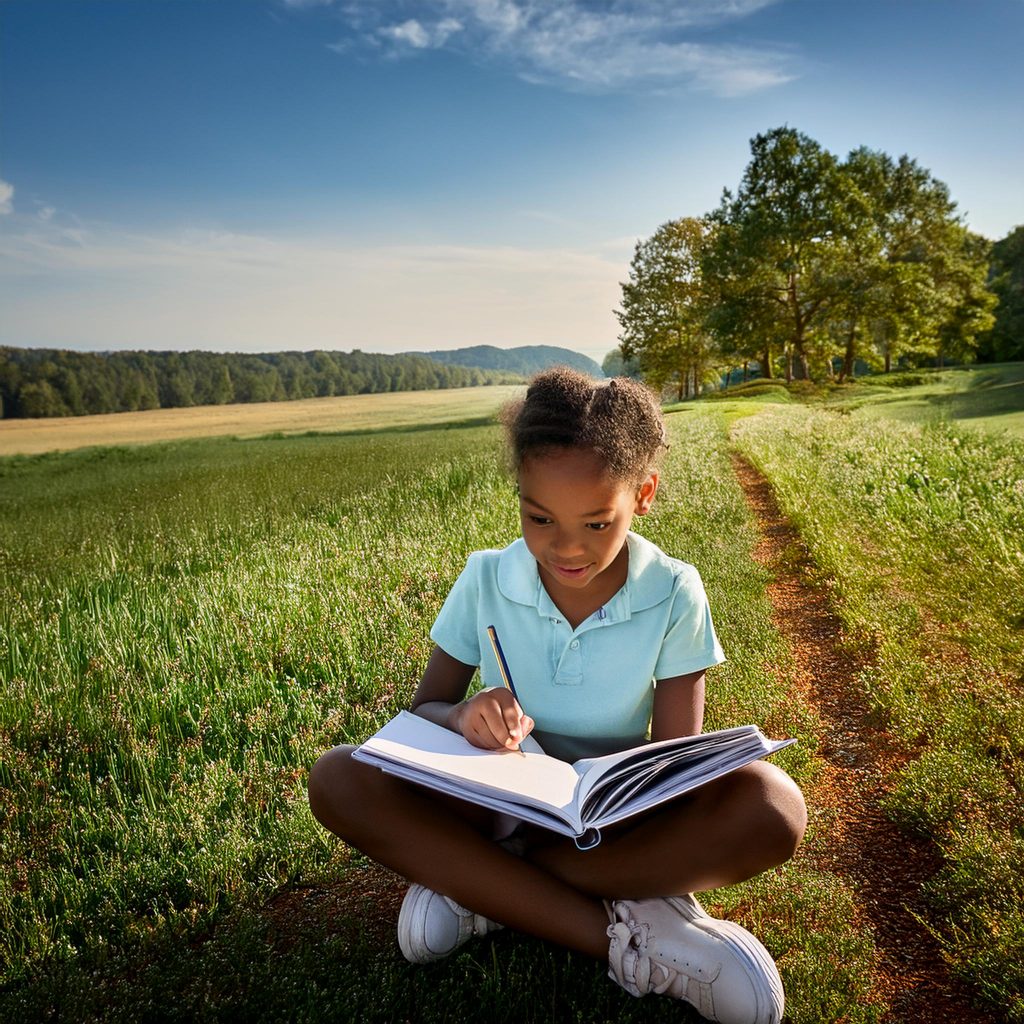
In a world dominated by screens and technology, reconnecting with nature is more important than ever—especially for students. Nature journaling is an effective way to engage students in observation, reflection, and creativity, helping them develop critical thinking skills while fostering a deeper appreciation for the natural world. Whether in science, art, or language classes, incorporating nature journaling can enhance learning in meaningful ways.
This guide explores the benefits of nature journaling, step-by-step instructions on how to start, and free resources for educators and parents looking to implement this powerful practice.
1. Why Nature Journaling is Beneficial for Students
Cognitive and Emotional Benefits
- Enhances Observation Skills – Encourages students to slow down and pay attention to details.
- Improves Memory and Retention – Writing and drawing reinforce learning and comprehension.
- Boosts Creativity – Allows students to express their thoughts through sketches, poems, and descriptions.
- Reduces Stress and Anxiety – Spending time outdoors has been linked to lower stress levels.
- Encourages Mindfulness – Helps students develop focus and appreciation for the present moment.
Academic Benefits
- Supports Science Learning – Promotes inquiry-based thinking and scientific observation.
- Strengthens Writing and Literacy Skills – Students develop storytelling and descriptive writing techniques.
- Improves Critical Thinking – Encourages students to ask questions, make connections, and analyze findings.
Resource: https://www.childrenandnature.org/ – Research on the benefits of nature-based learning.
2. How to Start a Nature Journal
Step 1: Gather Materials
Students don’t need much to begin nature journaling. Here’s what they’ll need: ✔ A sturdy notebook or sketchpad ✔ Pencils, pens, and colored pencils ✔ A magnifying glass for close-up observations ✔ A field guide or plant identification app (optional)
Resource: https://www.johnmuirlaws.com/ – A complete guide to nature journaling with free printable pages.
Step 2: Choose a Journaling Location
- Schoolyard or Local Park – Great for daily observations.
- Garden or Backyard – Perfect for tracking plant growth.
- Hiking Trails or Nature Reserves – Ideal for seasonal changes and wildlife study.
- Water Bodies (Lakes, Rivers, Ponds) – Encourages students to observe aquatic life.
📌 Example: Teachers can designate a “sit spot” where students return weekly to observe changes in the environment.
Resource: https://www.nwf.org/Educational-Resources – Free lesson plans for outdoor learning.
Step 3: What to Include in a Nature Journal
- Date, Time, and Location – Helps track changes over time.
- Weather Conditions – Temperature, wind speed, and precipitation.
- Sketches and Drawings – Illustrate plants, animals, and landscapes.
- Descriptive Writing – Notes on sounds, textures, and scents.
- Scientific Questions – Encourages deeper thinking (e.g., “Why do these leaves change color?”).
- Reflections and Personal Thoughts – Promotes mindfulness and connection with nature.
📌 Example: A student might sketch a butterfly, describe its movement, and ask questions about its migration pattern.
Resource: https://www.amnh.org/explore/ology – Fun science-based journaling activities for kids.
3. Creative Nature Journaling Activities
1. Seasonal Nature Walks
- Have students visit the same location every season and compare observations.
- Encourage them to track plant growth, animal activity, and weather changes.
- Ask them to describe seasonal changes in their own words or through poetry.
Resource: https://www.nps.gov/teachers/index.htm – National Park Service educational resources for outdoor learning.
2. “Adopt a Tree” Activity
- Each student chooses a tree to observe over time.
- Record leaf color, bark texture, insect activity, and seasonal changes.
- Sketch the tree from different angles and in different weather conditions.
📌 Example: Students can document the effects of weather on their tree, tracking it throughout the year.
Resource: https://arborday.org/education – Tree education resources and activities.
3. Sound Mapping
- Have students sit quietly and listen to the sounds of nature.
- Draw a map of where different sounds are coming from (birds, rustling leaves, water).
- Write a reflection on how the sounds make them feel.
📌 Example: A student may hear a distant woodpecker and describe its rhythmic tapping.
Resource: https://www.audubon.org/ – Bird-watching guides and sound recognition activities.
4. Poetry and Storytelling in Nature
- Encourage students to write haikus, short stories, or descriptive essays based on their observations.
- Have them personify animals or plants and write from their perspective.
📌 Example: “A leaf drifting down the river tells the story of its journey from a tall oak tree.”
Resource: https://www.poetryfoundation.org/ – Poetry resources for students.
4. Free Digital Tools for Nature Journaling
| Tool Name | Features | Website |
|---|---|---|
| iNaturalist | Helps identify plants and animals | https://www.inaturalist.org/ |
| Seek by iNaturalist | AI-powered nature identification tool | https://www.inaturalist.org/pages/seek_app |
| Project Noah | Citizen science project for nature journaling | https://www.projectnoah.org/ |
| Google Lens | Identifies plants and animals using photos | https://lens.google/ |
| Merlin Bird ID | Helps students identify birds by sound and appearance | https://merlin.allaboutbirds.org/ |
Final Thoughts
Nature journaling is a powerful, interdisciplinary learning tool that promotes curiosity, mindfulness, and academic skills. Whether used for science exploration, artistic expression, or creative writing, it provides students with an opportunity to connect with nature, develop critical thinking, and build environmental awareness.
For more nature-based learning activities and education strategies, visit our blog at https://thebabynmom.org/!