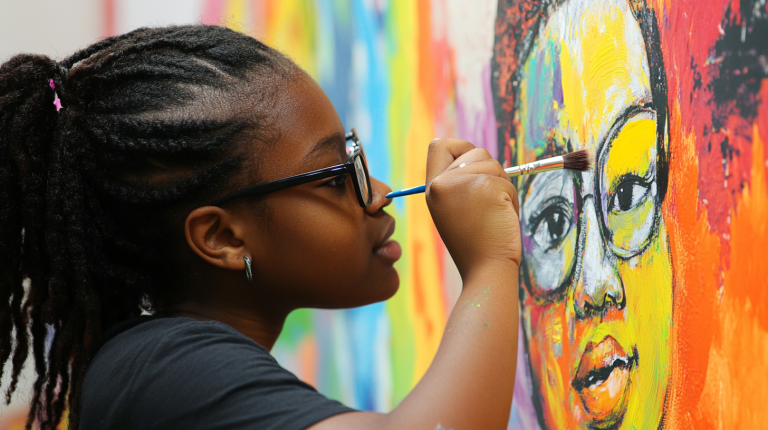
Embracing Inclusive Education Practices
In recent years, there has been a significant shift toward inclusive education for special education students in the U.S. This approach, which integrates special education students alongside their peers in general education classrooms, is gradually proving to be beneficial for all students involved. Nebraska’s efforts in this domain are noteworthy, setting an example for other states to follow.
Benefits of Inclusive Education
There are numerous advantages to implementing inclusive education strategies:
- Enhanced Social Interaction: Students with disabilities engage with their peers regularly, fostering better understanding and communication.
- Academic Improvement: Special education students often achieve higher academic outcomes when included in general classrooms due to exposure to the mainstream curriculum.
- Reduced Stigma: Inclusion helps reduce barriers and stigmas associated with special education, encouraging acceptance and empathy among all students.
Successful Strategies from Nebraska
Nebraska has been at the forefront of inclusive educational practices. With dedicated resources and initiatives, the state is witnessing encouraging results. Schools have implemented several strategic measures:
- Professional Development: Continuous training for teachers to equip them with the skills to handle diverse classrooms effectively.
- Co-Teaching Models: Collaborative teaching environments where general and special education teachers work together to support all students.
- Parental Involvement: Actively engaging parents in the educational process to ensure all students receive the necessary support at home and school.
Resources Across the USA
For those interested in exploring more about inclusive education, numerous resources are available across the United States:
– The Wrightslaw website provides extensive information on special education law and advocacy.
– The Center for Parent Information & Resources offers valuable materials for families and educators to support inclusive practices in schools.
In conclusion, as inclusive education becomes more widespread, its positive impact is unquestionable. By embracing these practices, schools across the U.S. stand to enhance the learning environment for all students, ensuring an equitable and enriching educational experience.