
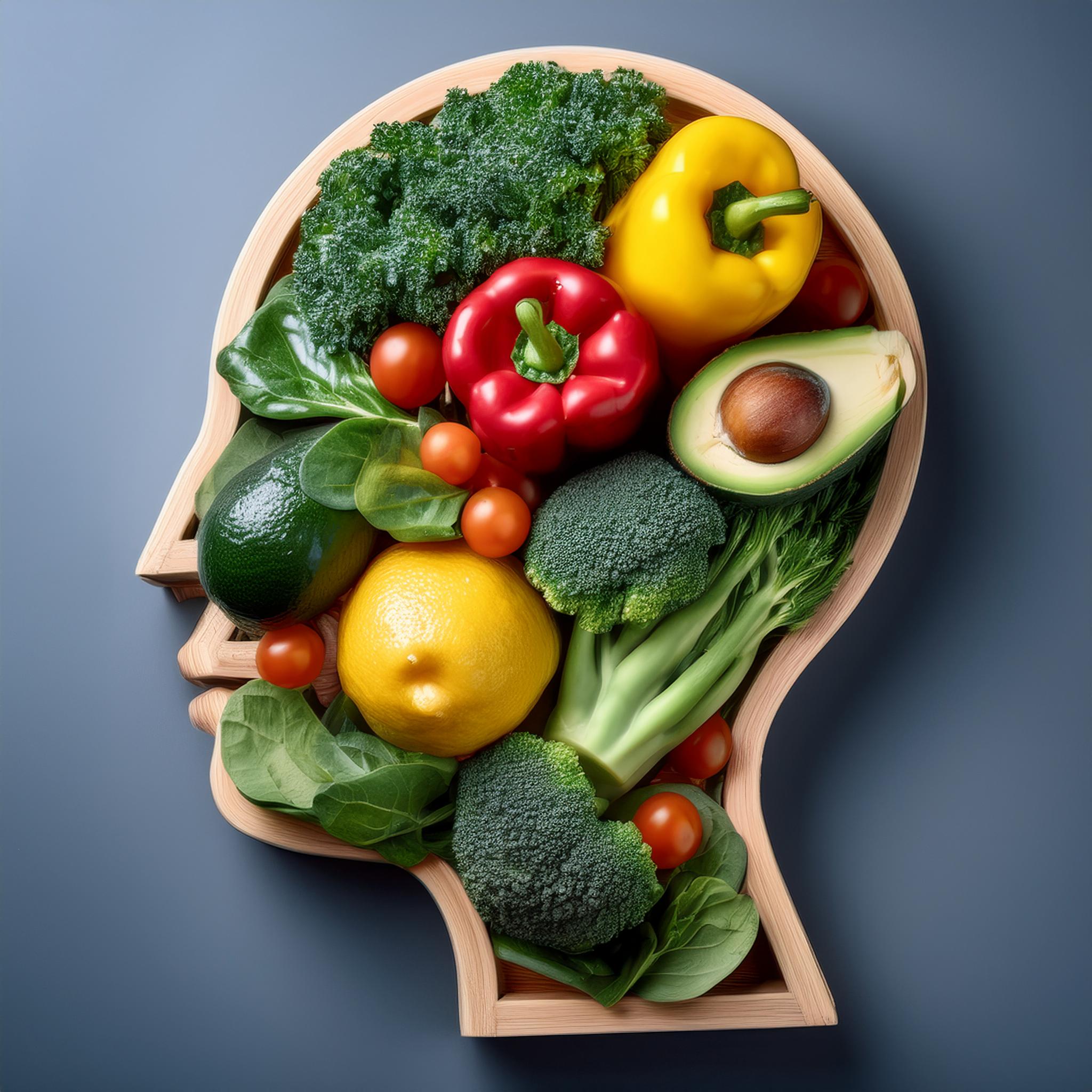
 The Truth About Mental Health and Nutrition
A fundamental aspect of our well-being, mental health, influences how we think, feel, and interact with the world. In recent years, the link between mental health and nutrition has been a growing area of interest. Understanding this connection could open doors to new ways of boosting mental wellness.
Understanding the Science
At the heart of this connection is the gut-brain axis, a communication network linking our intestinal health to our mental state. It is a crucial piece of the puzzle, with the gut producing many of the same neurotransmitters—like serotonin and dopamine—found in the brain. These chemicals significantly affect our mood and mental state.
Numerous studies have highlighted the relationship between diet and mental health outcomes. For instance, research consistently shows that diets rich in certain nutrients are associated with improved mental well-being, while poor dietary habits often correlate with increased risks of mental health disorders.
Essential Nutrients for Mental Well-being
Among critical nutrients, omega-3 fatty acids stand out due to their role in brain health and mood regulation. Found abundantly in fish and flaxseeds, these fats are vital for cognitive function.
Moreover, vitamins and minerals like B vitamins, Vitamin D, and magnesium offer substantial benefits. B vitamins support neurotransmitter function, Vitamin D is linked to mood regulation, and magnesium helps reduce anxiety.
Antioxidants also play a pivotal role by fighting oxidative stress, which is known to contribute to neurological imbalances. Including a colorful array of fruits and vegetables in your diet can help ensure adequate antioxidant intake.
Best Dietary Patterns for Mental Health
The Mediterranean Diet is often cited for its mental health benefits, emphasizing whole grains, lean proteins, and plenty of fruits and vegetables. This diet has been praised for its association with lower depression rates.
Adopting a plant-based diet also shows promise in promoting mental wellness. Such diets are inherently rich in phytonutrients, fiber, and healthy fats while being lower in processed sugars and unhealthy fats.
Focusing on whole foods rather than processed foods ensures better nutrient quality, minimizing additives and preservatives that may affect mood and cognition.
Foods to Avoid for Mental Clarity
Excessive sugar consumption has been linked to poor mental health outcomes, contributing to spikes and crashes in blood sugar that can affect mood.
Ultra-processed foods often contain trans fats and additives that can negatively impact mental well-being. Reducing intake of these items in favor of more natural alternatives can have profound benefits.
Both caffeine and alcohol should be consumed judiciously, as they can interfere with sleep and exacerbate anxiety or depression in some individuals.
Practical Strategies for Nutritional Mental Wellness
Integrating mental health-friendly foods into your diet can be straightforward. Start by planning meals that incorporate plenty of vegetables, lean proteins, and whole grains. Mindful eating encourages savoring each bite and recognizing hunger cues, contributing to better mental and physical health.
Staying hydrated is just as crucial, as even mild dehydration can affect mood and cognitive function.
Overcoming Challenges
Several barriers can impede healthy eating, including the accessibility and affordability of nutritious foods. Finding local resources or community programs can help.
Time constraints and meal prep challenges can often be mitigated with batch cooking or utilizing convenient healthy options.
Emotional eating and cravings can be challenging to manage. Building awareness of these triggers and finding healthier coping mechanisms are essential steps forward.
Explore Further
Understanding the profound connection between nutrition and mental health empowers us to make informed choices. Implementing dietary changes may lead to significant improvements in mental well-being. However, for those needing extra guidance, consulting with professionals specializing in mental health and nutrition is highly recommended.
Additional Resources
For those interested in delving deeper, numerous books and articles explore the nexus of diet and mental health. Organizations dedicated to both mental health and nutritional research provide valuable information and support. Consider reaching out to a registered dietitian or mental health professional for personalized advice.