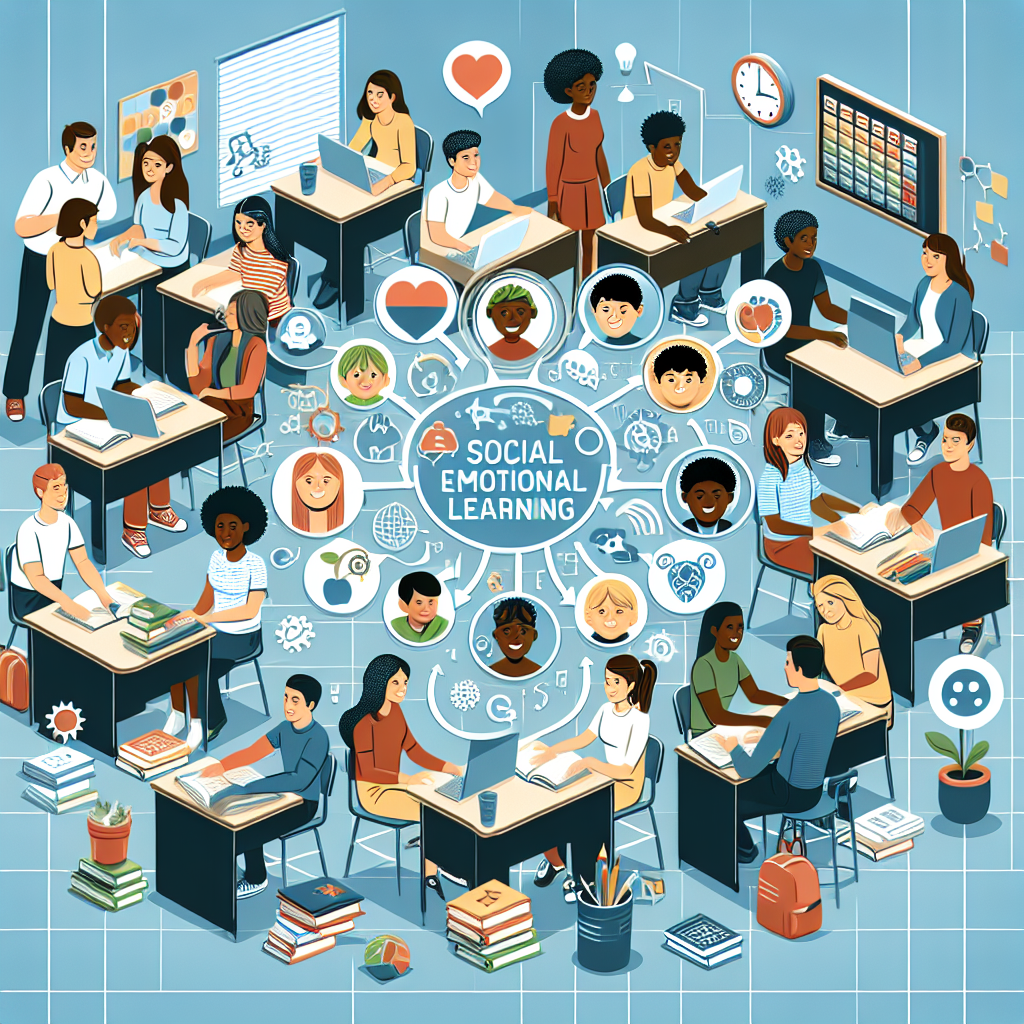
What Are Some Common Challenges in Implementing SEL and How to Overcome Them?
Social Emotional Learning (SEL) is a vital component of modern education, focusing on developing skills such as self-awareness, emotional regulation, and interpersonal skills. Effective implementation of SEL can transform classrooms, fostering a nurturing and inclusive environment. However, translating SEL principles into practice poses several challenges that must be addressed for successful integration into educational settings.
Challenge 1: Lack of Understanding and Awareness
A significant obstacle in SEL implementation is the lack of understanding and awareness among educators, administrators, and stakeholders. Without a clear grasp of SEL's importance and benefits, genuine engagement and support are hard to come by. This knowledge gap hinders the creation of meaningful SEL programs.
To counteract this, schools can organize workshops and informational sessions that highlight SEL's benefits. Utilizing case studies of successful SEL integration can also enhance awareness and dispel misconceptions.
Challenge 2: Insufficient Professional Development
Professional development often falls short of equipping educators with the necessary skills to effectively deliver SEL. This inadequacy results in inconsistencies in how SEL is taught and perceived within classrooms.
To bridge this gap, schools should invest in ongoing training programs that focus on practical SEL strategies. Facilitating mentorship opportunities where experienced educators guide their peers can further enrich teacher capability and confidence in implementing SEL.
Challenge 3: Limited Resources and Funding
The scarcity of resources and funding is a prevalent challenge in SEL execution. Many schools struggle to allocate sufficient resources for SEL, often prioritizing academic expenditures instead.
Exploring grants and partnerships with community organizations can open new avenues for funding. Additionally, leveraging cost-effective digital SEL resources can help stretch limited budgets while still delivering high-quality SEL education.
Challenge 4: Resistance to Change
Resistance from educators, parents, and even students can undermine SEL efforts. Such reluctance often stems from skepticism about SEL's relevance or fear of deviating from traditional educational methods.
To address this, fostering an open dialogue among stakeholders is essential. Providing evidence of SEL's positive impact, such as improved student engagement and academic performance, can shift perceptions and create buy-in.
Challenge 5: Integrating SEL with Academic Curriculum
Balancing SEL and academic goals presents a unique challenge. The fear that incorporating SEL might detract from academic learning often leads to its marginalization.
An integrated approach, where SEL principles are embedded into everyday lessons, can help achieve balance. For example, employing SEL strategies in literature discussions or science group projects can reinforce both SEL and academic objectives without compromising either.
Challenge 6: Measuring SEL Outcomes
Assessing SEL progress can be daunting, especially since traditional academic evaluation methods may not apply. Yet, measuring outcomes is crucial for refining programs and validating their effectiveness.
Developing customized assessment tools and using student self-assessments can provide valuable insights. Regular feedback sessions can also facilitate continuous improvement and encourage students to reflect on their social-emotional growth.
Commitment to SEL Excellence
Successfully addressing these challenges requires ongoing commitment from educators, policymakers, and the community. Prioritizing SEL integration in educational reform conversations can foster environments where students are not only academically competent but also emotionally intelligent and resilient.
Additional Resources
-
CASEL (Collaborative for Academic, Social, and Emotional Learning): A leading authority on SEL that provides frameworks and resources. Visit their website here for extensive guides and research-based strategies.
-
Edutopia: An educational platform offering a wealth of SEL articles, videos, and classroom tips. Explore their resources here.
-
Learning Policy Institute: Offers research and policy recommendations to support SEL implementation. Access their insights here.
By leveraging these resources and engaging in thoughtful strategies, schools can overcome SEL challenges and create equitable, supportive learning environments.