
 How Resilience Shapes a Student’s Journey
Resilience is the ability to bounce back from challenges, adapt to adversity, and maintain a sense of well-being. In the educational context, it equips students with the capacity to navigate academic pressures and personal issues effectively. Building resilience in students is crucial as it helps them overcome setbacks, improves emotional regulation, and enhances academic performance.
Decoding Resilience
A resilient student is characterized by perseverance, adaptability, and a positive outlook. Intrinsic factors like personality and extrinsic aspects such as supportive relationships play a role in resilience development. However, understanding that resilience is not innate but can be cultivated helps dispel common myths. Contrary to popular belief, resilience is not merely about being stoic; it involves acknowledging emotions and learning to manage them effectively.
Educators as Catalysts
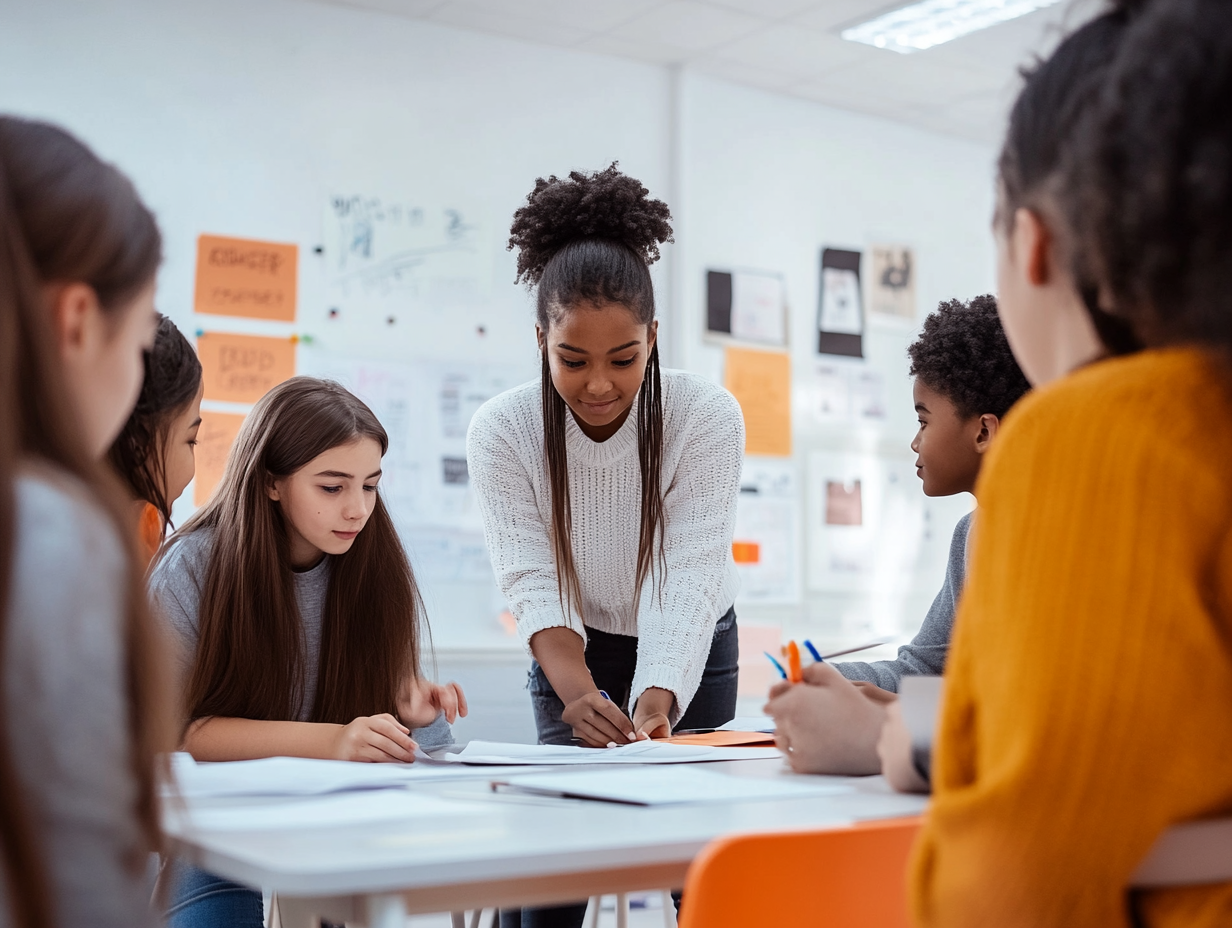
Educators are pivotal in fostering resilience. By creating a supportive learning environment, they can help students feel safe and valued, encouraging them to take reasonable risks and explore new ideas. Positive relationships within the classroom enhance students’ sense of belonging, while teaching problem-solving and coping skills empowers them to tackle challenges independently.
Practical Strategies for Resilience Building
Fostering a growth mindset is fundamental. Encouraging students to view failures as learning opportunities rather than setbacks promotes resilience. Teachers can also promote self-efficacy and autonomy by allowing students to make decisions about their learning, thereby boosting their confidence and motivation. Encouraging reflection and self-awareness helps students understand their reactions and emotions, while developing emotional intelligence enables them to empathize with others.
Providing opportunities for risk-taking and learning from failure is another vital strategy. Students learn resilience by recognizing that setbacks are not the end but a step toward growth. This approach helps students develop grit and perseverance in the face of adversity.
The Influence of Parents and Guardians
Parents and guardians play a critical role in the emotional and psychological well-being of students. Reinforcing the resilience-building practices introduced in schools at home is essential. Strengthening communication and trust ensures that students feel comfortable discussing challenges and seeking advice, which in turn enhances their resilience.
Conquering Challenges Together
Addressing obstacles to resilience involves recognizing and mitigating factors inhibiting a student’s ability to thrive. For students with special needs, tailored strategies can help them develop resilience. Collaboration with mental health professionals ensures that both students and educators have the support they need in challenging situations.
Success Stories in Action
Numerous schools have successfully implemented resilience-building programs that resulted in improved student outcomes. Personal anecdotes from educators reveal that teaching resilience is a rewarding experience, fostering a more profound connection with students. Highlighting these success stories underscores the transformative power of resilience education.
Taking Action Towards a Resilient Future
Incorporating resilience-building practices requires a collaborative approach among educators, parents, and the larger community. It calls for a commitment to nurture the social and emotional well-being of students consistently. By championing resilience, we prepare students not just for academic success, but for life’s myriad challenges.
Further Learning on Resilience
For those eager to dive deeper into the subject, numerous resources are available. Books, articles, and research studies offer valuable insights into resilience-building strategies. Engaging in workshops and training programs can provide hands-on experience, while various online resources and communities offer platforms for sharing knowledge and experiences.