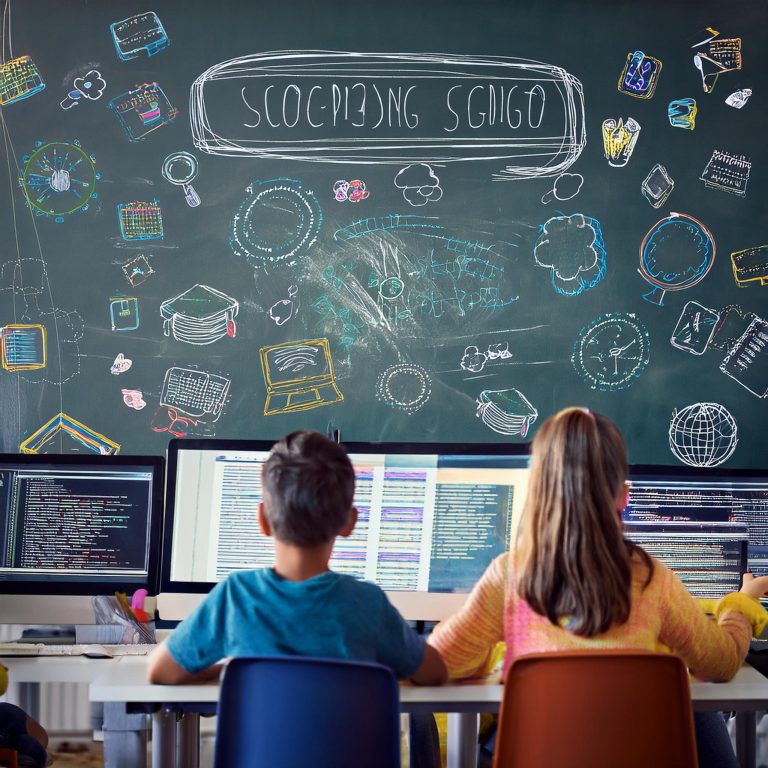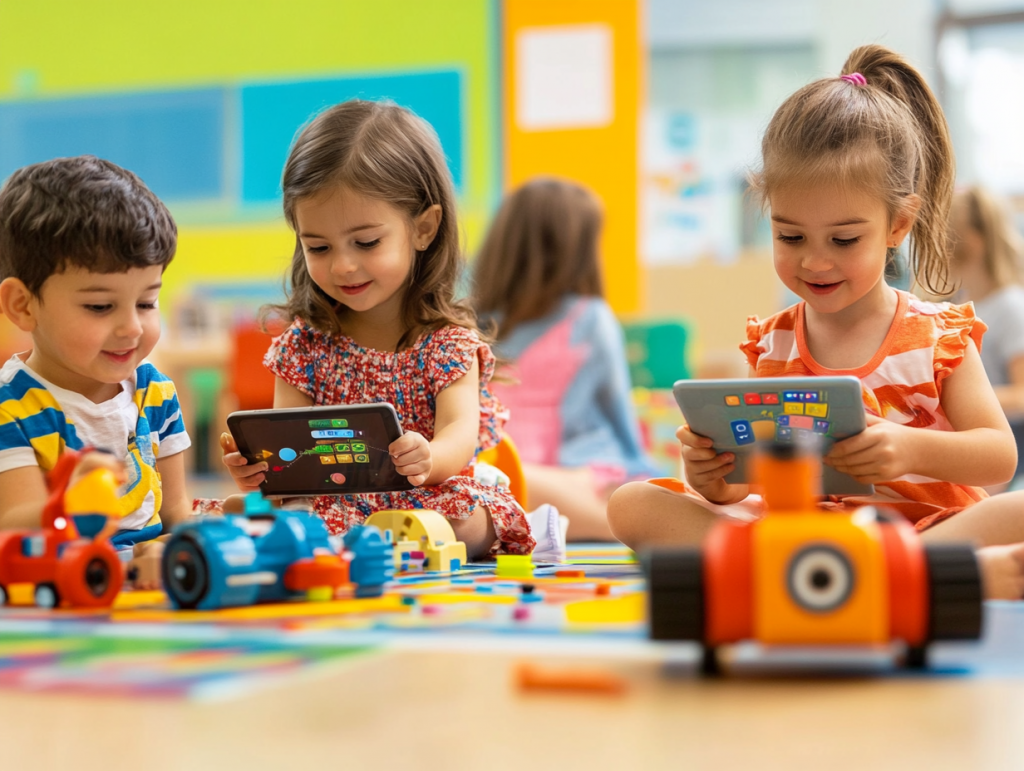
Coding is no longer just for computer scientists—it has become an essential skill for young learners. Teaching coding to kindergarten students might sound challenging, but when introduced through play-based learning, it becomes a fun and engaging experience! By using games, hands-on activities, and interactive coding tools, we can help children develop problem-solving skills, logical thinking, and creativity while having fun.
In this guide, we will explore why coding is important for young learners, how to teach coding through play, the best tools available, and resources to help you get started.
Why Teach Coding to Kindergarten Students?
🔹 Enhances Problem-Solving Skills – Helps kids develop logical thinking and sequencing skills.
🔹 Boosts Creativity – Encourages kids to create and experiment with new ideas.
🔹 Improves Math & Literacy Skills – Strengthens pattern recognition and computational thinking.
🔹 Prepares for the Future – Introduces early concepts of technology and computer science.
📌 Recommended Resource: Code.org – The Importance of Early Coding Education
Step 1: Start with Unplugged Coding Activities
Before introducing computers or tablets, begin with hands-on, unplugged activities to teach basic coding concepts.
Fun Unplugged Coding Games:
🧩 “Coding with Arrows” – Give children a toy or object and have them move it using simple directional commands.
🎲 “If-Then Game” – Create simple cause-and-effect scenarios to introduce conditional logic.
🏃 “Human Robot” – One child gives step-by-step instructions while another follows, teaching sequencing and algorithms.
📌 Recommended Resource: CS Unplugged – Free Hands-on Coding Activities
📌 Related BADA Education Article: Best Offline Coding Activities for Kids
Step 2: Use Play-Based Coding Tools & Apps
Once students understand basic coding concepts, introduce interactive, play-based coding tools that make learning enjoyable.
Best Coding Apps for Kindergarten Students:
🎮 ScratchJr – Drag-and-drop block coding for young kids.
🐝 Bee-Bot – A fun robot that teaches basic programming.
🧩 Lightbot Jr – A puzzle game that teaches sequencing and loops.
📌 Why These Work:
✅ No reading required – Perfect for young learners.
✅ Visually engaging – Uses interactive characters and animations.
✅ Encourages creativity – Allows kids to create their own coding projects.
Step 3: Integrate Coding into Everyday Play
Ways to Incorporate Coding into Playtime:
🧩 Building Blocks & LEGO – Teach patterns and sequencing through stacking activities.
🎭 Storytelling with Code – Use ScratchJr to create animated stories.
🚗 Toy Robots & Puzzles – Let children program robots like Bee-Bot or Code-a-Pillar.
📌 Recommended Resource: LEGO Education – Early Coding Activities
📌 Related BADA Education Article: How Play-Based Learning Enhances Early STEM Skills
Step 4: Encourage Problem-Solving & Debugging
Teaching young learners to “think like a coder” means helping them understand that mistakes are part of learning.
Simple Debugging Activities:
🔍 “Spot the Error” – Have kids look for missing steps in a simple sequence.
💡 “Fix the Code” – Give them a pre-made coding project with a small mistake and let them correct it.
🎲 “Reverse Engineering” – Show them a finished project and ask how it was made.
📌 Recommended Resource: Code.org – Debugging for Kids
📌 Related BADA Education Article: Teaching Kids to Debug Their Code
Step 5: Celebrate Their Coding Achievements!
🎉 Recognize Efforts: Encourage kids with certificates, stickers, or small prizes.
📢 Share Projects: Let students present their work to parents or classmates.
📖 Create a Class Coding Book: Compile their projects into a digital or physical book.
📌 Recommended Resource: Studentreasures – Free Student Publishing
📌 Related BADA Education Article: Showcasing Kids’ Coding Projects
Conclusion
Teaching coding in kindergarten should be fun, interactive, and engaging. By incorporating play-based learning, hands-on activities, and beginner-friendly coding tools, we can unlock young minds and inspire future problem-solvers.
🚀 Want More Teaching Resources? Visit BADA Education for free lesson plans, coding guides, and hands-on activities for young learners!