Unschooling vs. Deschooling: Differences, Benefits, and How to Choose
As alternative education methods gain traction, unschooling and deschooling are frequently discussed concepts among parents, educators, and homeschool advocates. While both approaches challenge traditional schooling norms, they serve distinct purposes. This article explores the key differences, advantages, and drawbacks of unschooling and deschooling, helping parents and educators make informed decisions about their child’s education.
What is Unschooling?
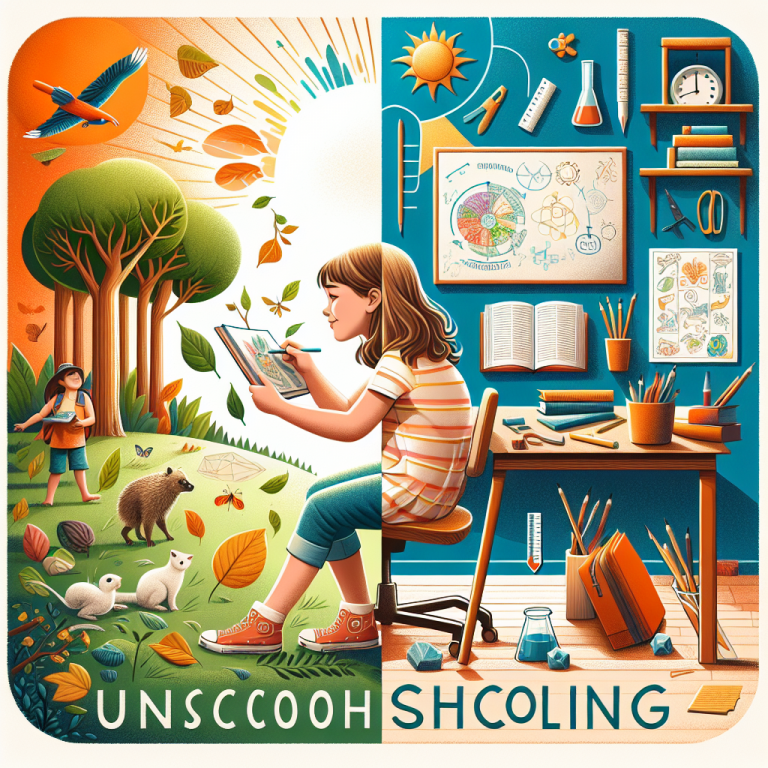
Unschooling is a self-directed, learner-driven approach to education. Unlike traditional schooling, which follows a set curriculum, unschooling allows children to learn naturally through life experiences, exploration, and personal interests rather than structured lessons.
Key Characteristics of Unschooling
✔️ Child-Led Learning: Students explore subjects based on their interests, without a formal curriculum.
✔️ Experience-Based Education: Learning occurs through real-world activities, conversations, travel, and hands-on projects.
✔️ No Grades or Tests: Progress is measured by knowledge application rather than standardized assessments.
✔️ Parent as Facilitator: Parents provide resources and guidance, but students direct their own learning.
What is Deschooling?
Deschooling is the adjustment period required when transitioning from traditional schooling to homeschooling or alternative education. It helps children and parents unlearn conventional ideas about education and embrace a more flexible, interest-driven approach.
Key Characteristics of Deschooling
✔️ Detox from Traditional Schooling: A mental and emotional transition phase where students and parents break away from conventional educational structures.
✔️ Restoring Natural Curiosity: Encourages children to rediscover their love for learning outside of structured schooling.
✔️ Flexible Time Frame: The deschooling period can last weeks or months, depending on the child’s previous schooling experience.
✔️ Rebuilding Confidence: Helps students recover from school-related stress and develop self-motivation.
Differences Between Unschooling and Deschooling
| Feature | Unschooling | Deschooling |
|---|---|---|
| Definition | A lifelong approach where children direct their own education. | A temporary phase to adjust from traditional schooling to a new learning method. |
| Structure | No structured curriculum or fixed schedule. | No structure, but intended as a transition period. |
| Main Goal | Encourages self-directed learning and personal growth. | Helps learners and parents break away from traditional schooling methods. |
| Duration | Lifelong approach to learning. | Short-term phase (weeks to months). |
| Who Uses It? | Homeschooling families, self-directed learners. | Anyone transitioning out of traditional schooling. |
Pros and Cons of Unschooling
Pros of Unschooling
✅ Encourages Creativity & Critical Thinking: Children learn by exploring topics they are passionate about.
✅ Flexible Learning Pace: Kids can spend more time mastering subjects they find meaningful.
✅ Stronger Family Bonds: Parents and children collaborate more closely in the learning process.
✅ Real-World Experience: Learning happens through practical engagement, like travel, internships, or projects.
Cons of Unschooling
❌ Lack of Structure: Some children may struggle without set schedules and guidance.
❌ College & Career Challenges: Unschoolers may need to take additional steps (portfolios, community college) for higher education admissions.
❌ Parental Involvement Required: Parents must be highly involved in providing resources and facilitating learning.
Pros and Cons of Deschooling
Pros of Deschooling
✅ Reduces Stress & Burnout: Helps children recover from school-related pressure.
✅ Encourages Self-Discovery: Students can explore what they enjoy learning outside of forced curriculum.
✅ Improves Family Relationships: Parents better understand their child’s interests and learning styles.
Cons of Deschooling
❌ Adjustment Takes Time: Some children may take longer to regain interest in learning after years of structured schooling.
❌ Parental Patience Needed: Parents must trust the process and avoid pushing traditional education too soon.
❌ Risk of Prolonged Deschooling: If not guided properly, deschooling may turn into long-term disengagement rather than productive learning.
Is Unschooling or Deschooling Right for Your Child?
The choice between unschooling and deschooling depends on your child’s needs and your educational philosophy.
- If your goal is temporary adjustment before structured homeschooling, deschooling is a valuable step.
- If you believe in long-term, self-directed learning, unschooling can be a powerful educational method.
Related Resources and Further Reading
- Alliance for Self-Directed Education – https://www.self-directed.org
- Home School Legal Defense Association (HSLDA) – Laws & Support – https://hslda.org
- Unschooling Blog by Sandra Dodd – https://sandradodd.com
- John Holt GWS (Growing Without Schooling) – https://www.johnholtgws.com
- National Home Education Research Institute (NHERI) – https://www.nheri.org