Education is more than just delivering information—it’s about inspiring students, fostering curiosity, and equipping them with the skills they need for success in life. But what is the best way to educate students? The answer isn’t one-size-fits-all; it depends on learning styles, teaching methods, and real-world application.
Let’s explore some of the most effective approaches to education and how they impact student learning.
🎯 1. Focus on Student-Centered Learning
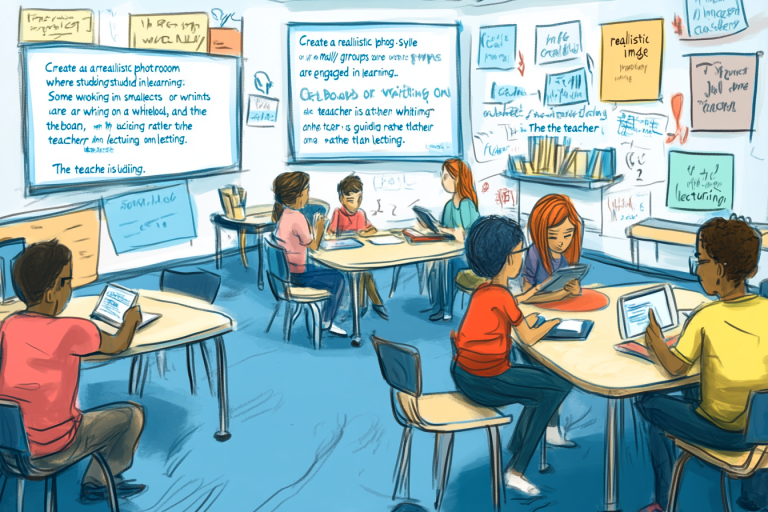
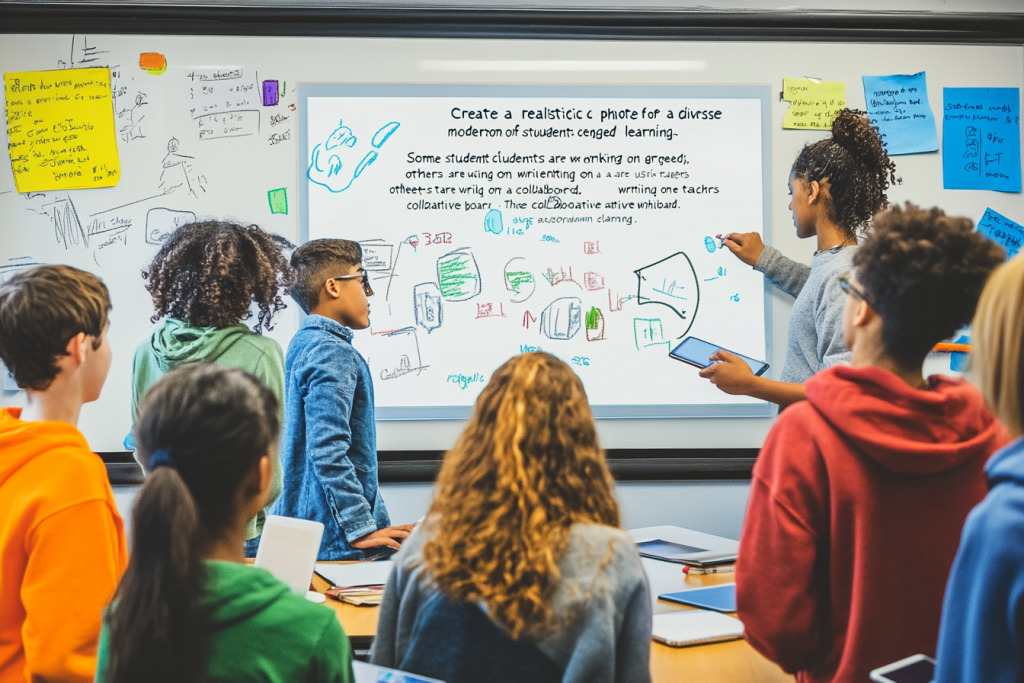
The best education is one that adapts to the needs of students rather than forcing them to fit into a rigid system. Student-centered learning puts students at the heart of the educational process, making them active participants rather than passive listeners.
✅ Encourage Inquiry-Based Learning – Allow students to ask questions and explore topics that interest them.
✅ Use Personalized Learning Paths – Tailor lessons to students’ strengths, weaknesses, and interests.
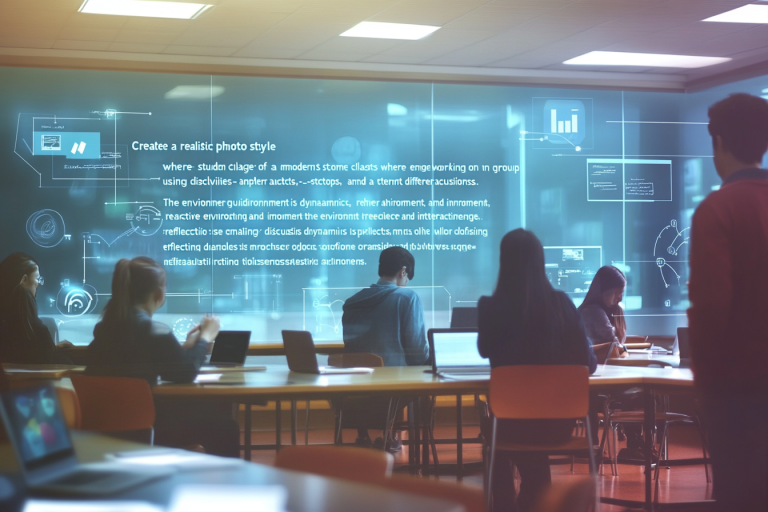
✅ Promote Collaborative Learning – Group activities encourage teamwork, problem-solving, and social skills.
💡 2. Make Learning Interactive and Engaging
Students learn best when they are actively engaged in the process. Hands-on, experiential learning helps them retain information better and develop real-world skills.
🎮 Gamification: Using educational games to make learning fun.
🔬 Project-Based Learning: Encouraging students to work on real-world problems.
🎭 Role-Playing and Simulations: Bringing history, science, and literature to life through interactive activities.
Engagement increases when learning feels relevant and exciting!
🏫 3. Balance Traditional and Modern Teaching Methods
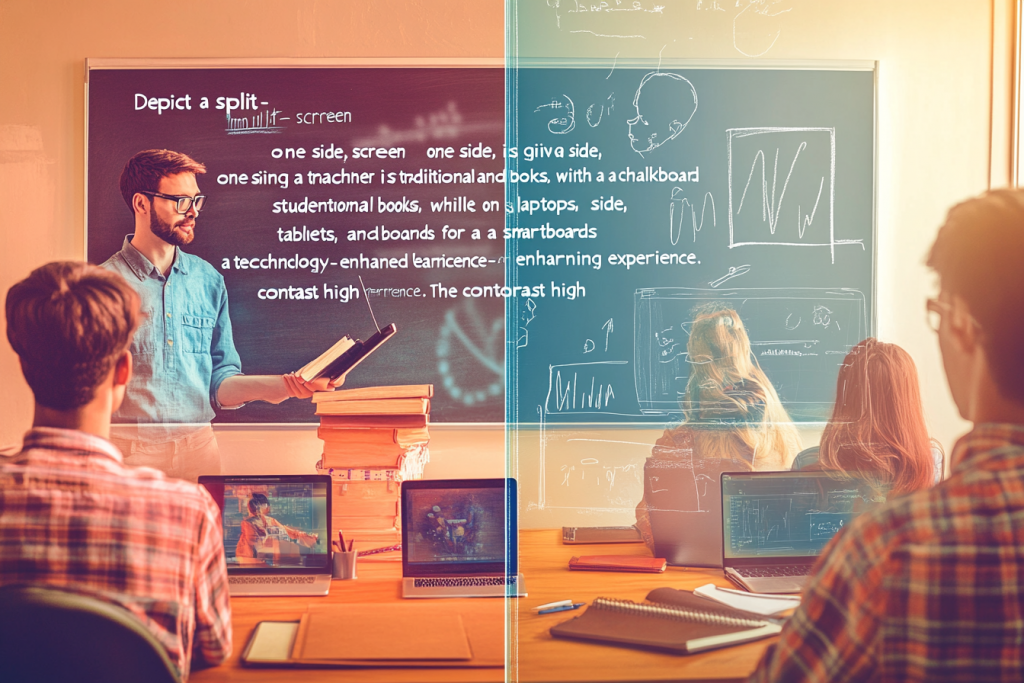
A mix of traditional teaching (such as lectures and structured lessons) with modern educational tools (such as technology and self-paced learning) can provide the best results.
📖 Traditional Methods: Essential for foundational knowledge and discipline.
💻 Modern Methods: Using technology like e-learning platforms, AI tutors, and virtual classrooms.
🎙️ Flipped Classrooms: Instead of passive lectures, students study material at home and apply it through discussions in class.
🌍 4. Teach Critical Thinking and Problem-Solving
In a world filled with information, students must learn how to think critically and analyze problems rather than just memorize facts.
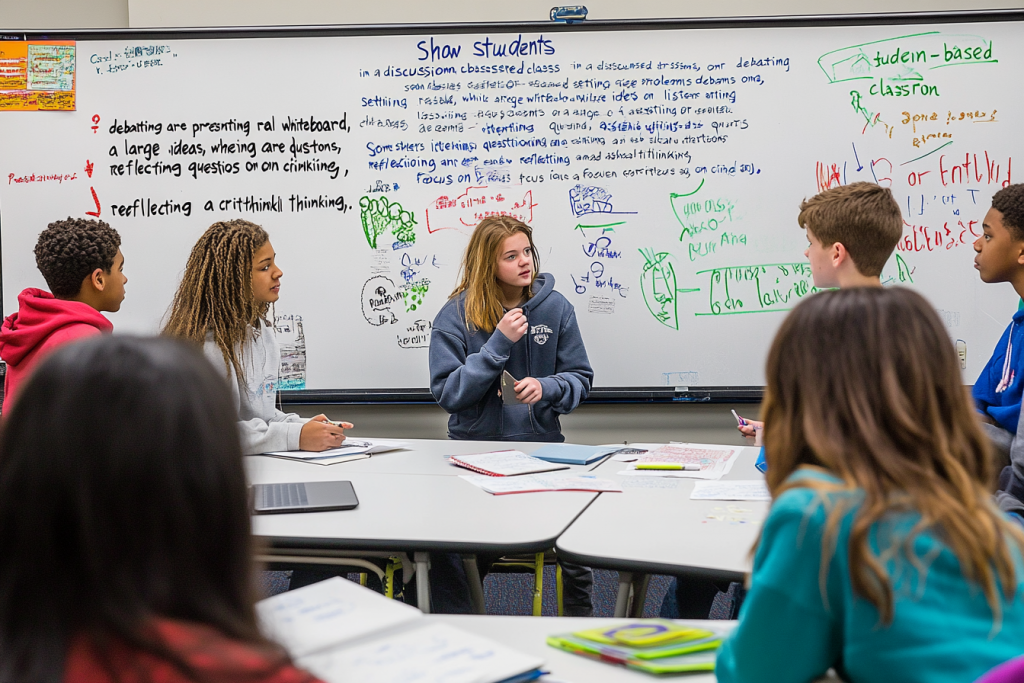
🔎 Encourage Debate and Discussion: Let students explore multiple viewpoints.
💡 Pose Real-World Challenges: Give students problems to solve through research and reasoning.
🧩 Develop Creativity: Let students express their ideas through projects, storytelling, or innovation.
🤝 5. Prioritize Emotional and Social Development
Education is not just about academics—it’s also about building confidence, emotional intelligence, and social skills.
❤️ Promote a Growth Mindset: Teach students that effort and resilience lead to success.
👂 Encourage Active Listening and Communication: Help students develop empathy and interpersonal skills.
🧘 Incorporate Mindfulness and Stress Management: Teach students how to handle challenges in a healthy way.
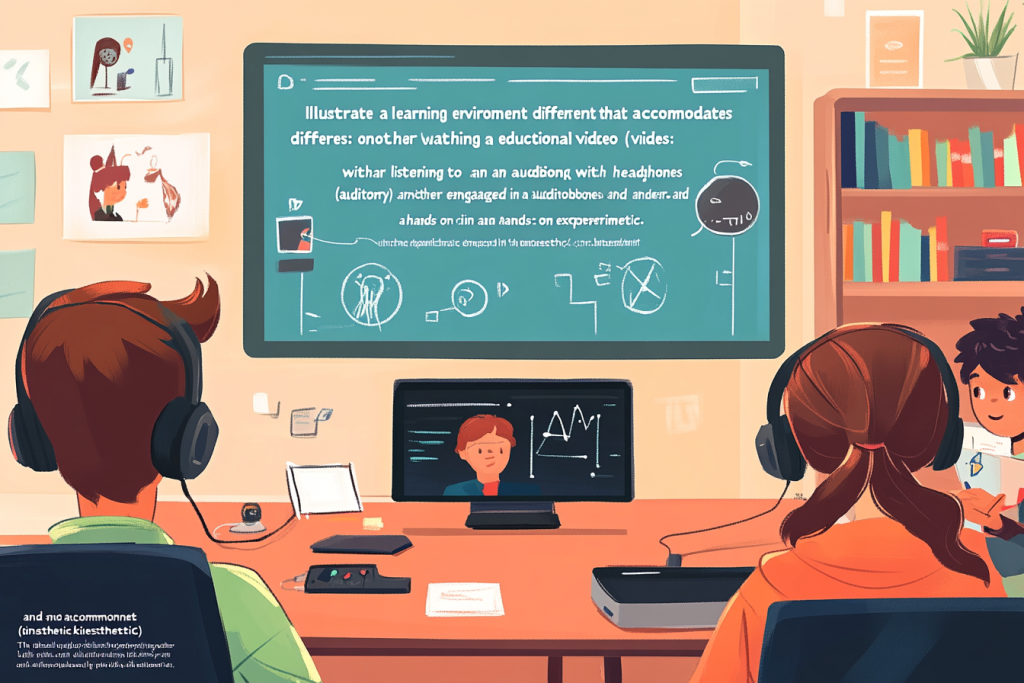
🚀 6. Adapt to Different Learning Styles
Every student learns differently, and a great education system recognizes this diversity.
👀 Visual Learners: Benefit from diagrams, charts, and videos.
👂 Auditory Learners: Learn best through discussions, storytelling, and lectures.
👐 Kinesthetic Learners: Need hands-on activities, experiments, and movement-based learning.
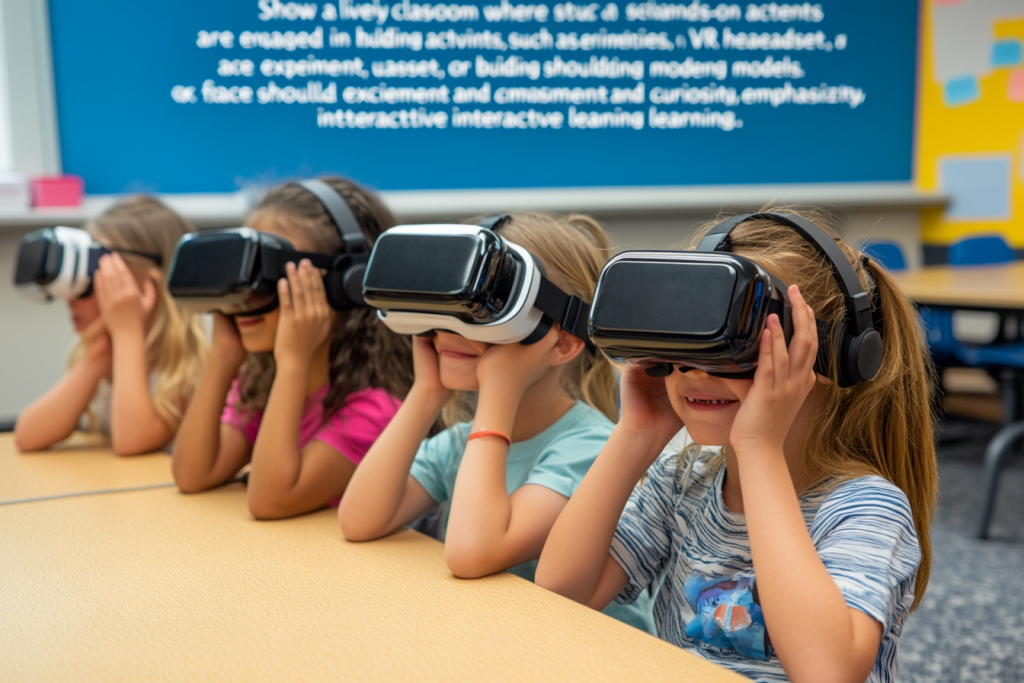
A blended approach ensures that all students have the opportunity to succeed.
🌟 Final Thoughts: The Best Way to Educate Students
The best way to educate students is a combination of personalized learning, engagement, real-world application, and emotional support. When students feel inspired, challenged, and supported, they become lifelong learners who are prepared for the future.
Education isn’t about filling students with facts—it’s about empowering them to think, create, and grow. 🌍✨