Education is a term we hear almost every day, but what does it really mean? Is it just about textbooks, schools, and exams, or is there something more? Let’s dive deeper into the true definition of education and why it plays such a vital role in our lives.
📖 The Basic Definition of Education
At its core, education is the process of acquiring knowledge, skills, values, beliefs, and habits. This can happen in many ways—through formal schooling, personal experiences, family teachings, or even life lessons. Education isn’t limited to the classroom; it’s a lifelong journey of learning and growth.
According to dictionaries, education is often defined as:
“The process of receiving or giving systematic instruction, especially at a school or university.”
While this is true, education is much broader than that. It’s about how we grow mentally, emotionally, and socially throughout our lives.
🌍 Education Beyond the Classroom
Many people associate education with schools, teachers, and exams. While formal education is important, learning happens everywhere:
- At Home: Parents teach values, language, and life skills.
- Through Experiences: Traveling, reading books, meeting new people, and even making mistakes help us learn.
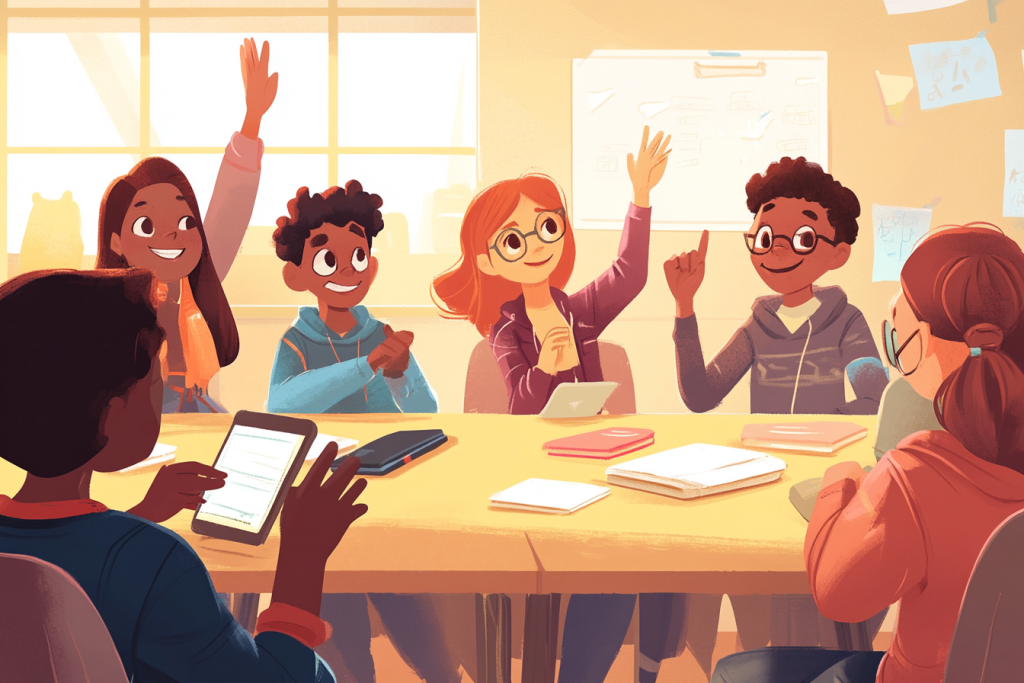
- In Social Settings: Conversations with friends, group projects, or community activities build communication and critical thinking skills.
Education is not just about facts and figures—it’s about developing the ability to think critically, solve problems, and make informed decisions.
💡 The Key Components of Education
- Knowledge: Learning facts, theories, and information about the world.
- Skills: Developing abilities like reading, writing, problem-solving, and communication.
- Values and Ethics: Understanding right from wrong, respecting others, and fostering empathy.
- Personal Growth: Building confidence, creativity, and emotional intelligence.
True education helps shape not just smarter individuals, but better human beings.
🚀 Why is Education Important?
- Empowers Individuals: Knowledge gives people the power to make informed decisions and pursue opportunities.
- Drives Progress: Education fuels innovation, scientific discoveries, and social development.
- Promotes Equality: It can break cycles of poverty, reduce inequalities, and provide everyone with a chance to succeed.
- Builds Character: Education teaches resilience, leadership, and the value of hard work.
🔑 The Evolving Definition of Education
In today’s fast-changing world, education isn’t just about memorizing facts. It’s about:
- Critical Thinking: Analyzing information instead of accepting it blindly.
- Adaptability: Learning how to learn new skills as technology and societies evolve.
- Global Awareness: Understanding different cultures, histories, and perspectives.
The modern definition of education is dynamic, flexible, and inclusive of both academic knowledge and life skills.

🌱 Final Thoughts
So, what is education? It’s more than just books, grades, or diplomas. Education is the lifelong process of growing intellectually, emotionally, and morally. It shapes how we view the world, interact with others, and realize our potential.
Whether through formal schooling, personal experiences, or daily interactions, every moment of learning contributes to the beautiful, complex journey called education. Keep learning, stay curious, and remember—education is not just preparation for life; it is life itself. 🌟