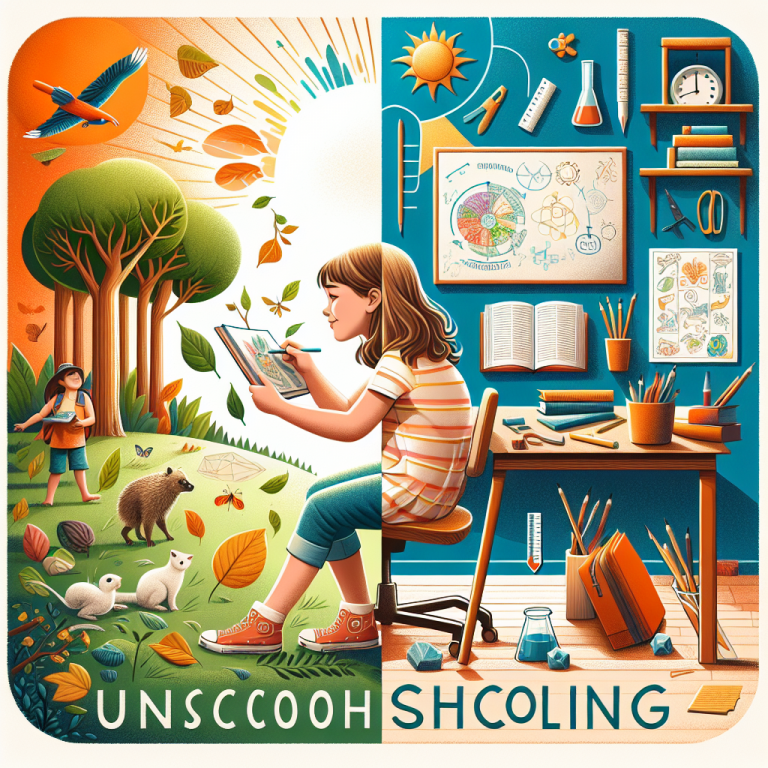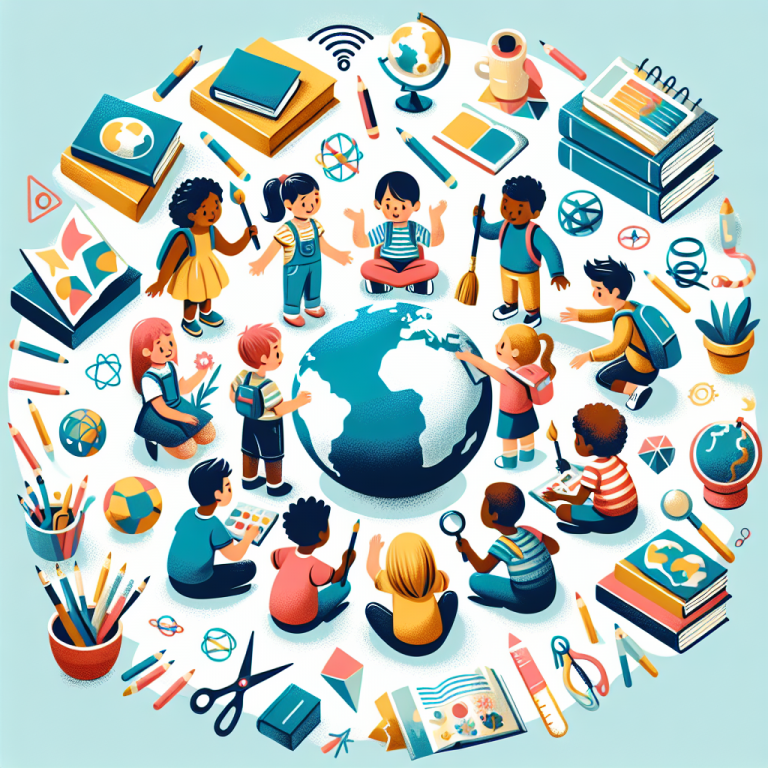
In an era where traditional educational systems often struggle to meet the diverse needs of students, deschooling emerges as a revolutionary concept. More than just rejecting the classroom structure, deschooling calls for reimagining learning as a lifelong, organic, and self-driven experience.
🌱 What is Deschooling?
Deschooling is a term popularized by Austrian philosopher and priest Ivan Illich in his 1971 book Deschooling Society. He argued that education had been institutionalized to the point where it hindered personal learning, creativity, and autonomy. Illich believed learning should occur outside the confines of school, fueled by curiosity and community, not grades and rigid curricula.
🔗 Read Deschooling Society by Illich (Full PDF):
https://www.arvindguptatoys.com/arvindgupta/Deschooling%20Society.pdf
🔄 Deschooling vs Traditional Schooling
| Feature | Traditional Schooling | Deschooling Approach |
|---|---|---|
| Structure | Standardized curriculum | Open-ended, personalized exploration |
| Authority Figure | Teacher-led | Learner-led / community-supported |
| Assessment | Grades, tests, performance reviews | Self-evaluation, real-world application |
| Learning Environment | Classroom | Anywhere (home, library, nature, community centers) |
| Motivation | Extrinsic (grades, rewards) | Intrinsic (curiosity, relevance, creativity) |
🧠 Why Deschooling Matters Today
Modern students need:
- Critical thinking over memorization
- Creativity over conformity
- Flexible pathways to career and personal growth
The rise of homeschooling, unschooling, micro-schooling, and online self-learning platforms like Khan Academy or Coursera reflect this shift.
📊 According to a 2023 EdWeek report:
“Over 13% of U.S. households with school-aged children participate in home-based or alternative schooling, citing dissatisfaction with institutional structures.”
💡 Deschooling in Action: Learning Beyond the Classroom
Here are real-world applications of deschooling:
1. Project-Based Learning
Encourages learners to pursue projects based on interest (e.g., coding a game, writing a blog, launching a fundraiser).
🧭 Tool: https://www.pblworks.org
2. Community Learning Hubs
Local libraries, co-ops, and maker spaces are now hubs for collaborative learning.
📍Explore: https://www.librarylearning.info
3. Self-Directed Digital Platforms
Platforms like Khan Academy, Coursera, and Skillshare provide self-paced, passion-driven learning.
🌐 https://www.khanacademy.org
🌐 https://www.coursera.org
4. Unschooling Networks
Families collaborate to let children learn naturally through play, travel, daily life.
🔗 Visit: https://www.unschooling.com
🧩 Who Can Benefit From Deschooling?
| Role | Benefits from Deschooling |
|---|---|
| Homeschool Parents | Greater freedom to adapt curriculum to a child’s interests |
| Teachers | Ideas to incorporate student-led learning in classrooms |
| Students | More autonomy and ownership in learning |
| Schools | Inspiration for progressive, project-based models |
| Education Marketers | Authentic engagement through learner-centered content |
🔍 SEO Keywords to Include in Blog Post
- What is deschooling
- Ivan Illich education
- Deschooling vs unschooling
- Alternative education models
- How to deschool your child
- Self-directed learning
- Learning without school
📝 Conclusion: Is It Time to Deschool?
Deschooling isn’t just a reaction against formal education—it’s a reimagining of what learning can be. For educators, parents, and learners who believe that real knowledge comes from curiosity, community, and experience, deschooling is more than an idea—it’s a movement.
🌐 Continue exploring this topic on BADA Education.